Caffeine is a highly normalized and accepted drug in society; however, it's actually a lot more potent than a lot of us realize. If you're a daily coffee drinker, giving it up for a week or even a mere 24 hours is bound to impact your mental clarity and cause some withdrawal symptoms. If you stop drinking it for a prolonged period, when you pick it back up again, it will feel like you're taking an illicit drug.
The Enlightenment was an intellectual revolution that gave birth to some of humanity's greatest thinkers. The ideas that were formulated during this period, like those about individual rights, religious freedom, and scientific inquiry, shaped our modern world. Coinciding with all these great notions was the arrival of coffee from the Ottoman Empire. Coincidence? Historians think not.
The rise of the coffeehouse
For centuries in Europe, alcohol had been the drink of choice at every meal, a safer alternative to questionable water sources. But while beer and wine dull the mind, coffee helps sharpen it.
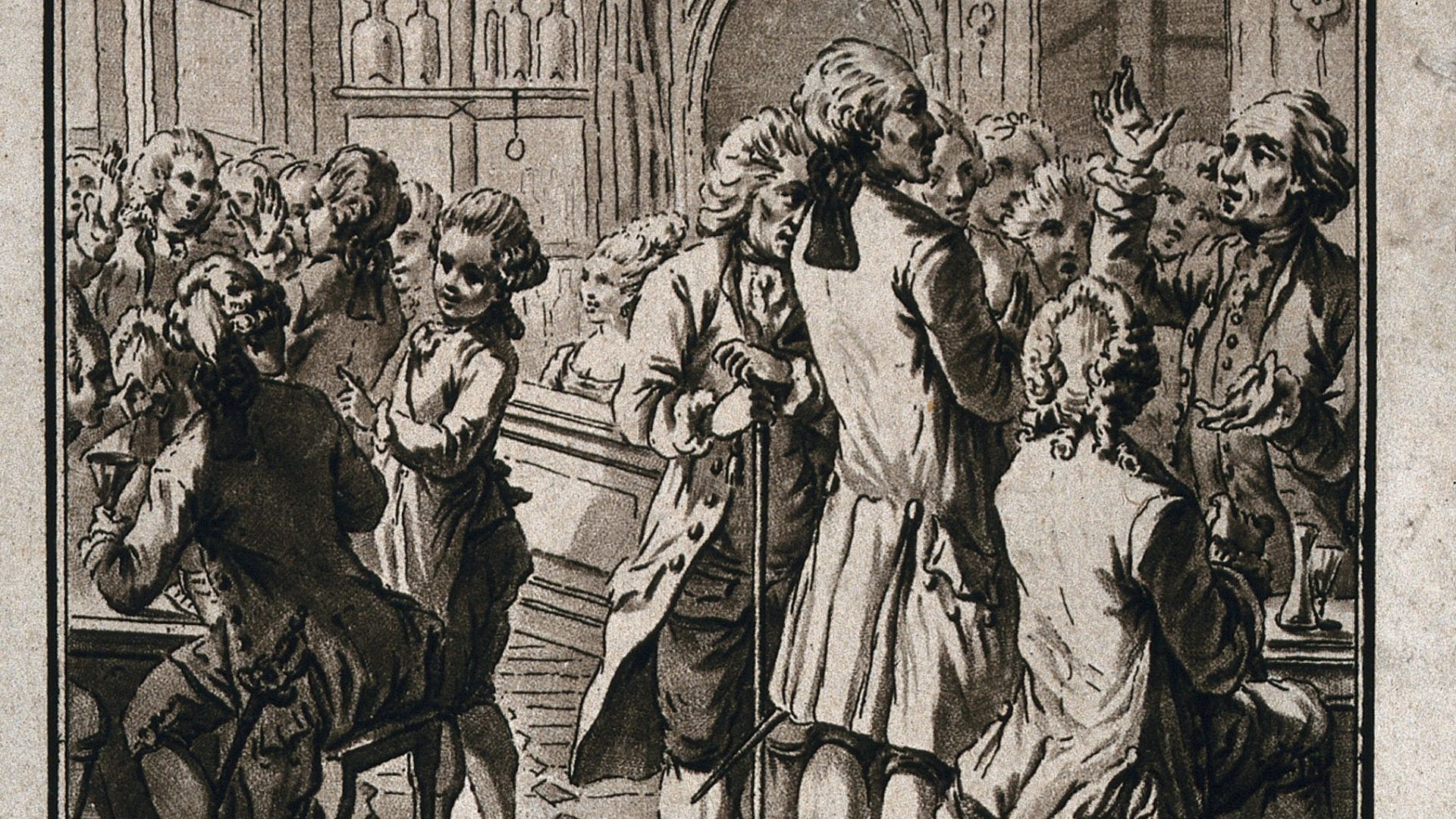
To this day, coffeeshops are thought of as productive spaces. That's why everyone at Starbucks is obscured behind the glow of a MacBook. By the late 17th century, coffee shops dotted the streets of major cities across Europe. They soon became hubs where intellectuals gathered to debate philosophy, politics, science, and art. The likes of Voltaire, Rousseau, and Diderot were regulars in Parisian cafés.
The coffeehouse was one of the first places where people from different classes could sit together in a public space and exchange ideas freely. A cup of coffee only cost a penny, and for that price, customers would also have access to newspapers, pamphlets, and lively conversation. This democratization of knowledge is why the coffeehouse became known as the "penny university."
Coffee's role in the Enlightenment
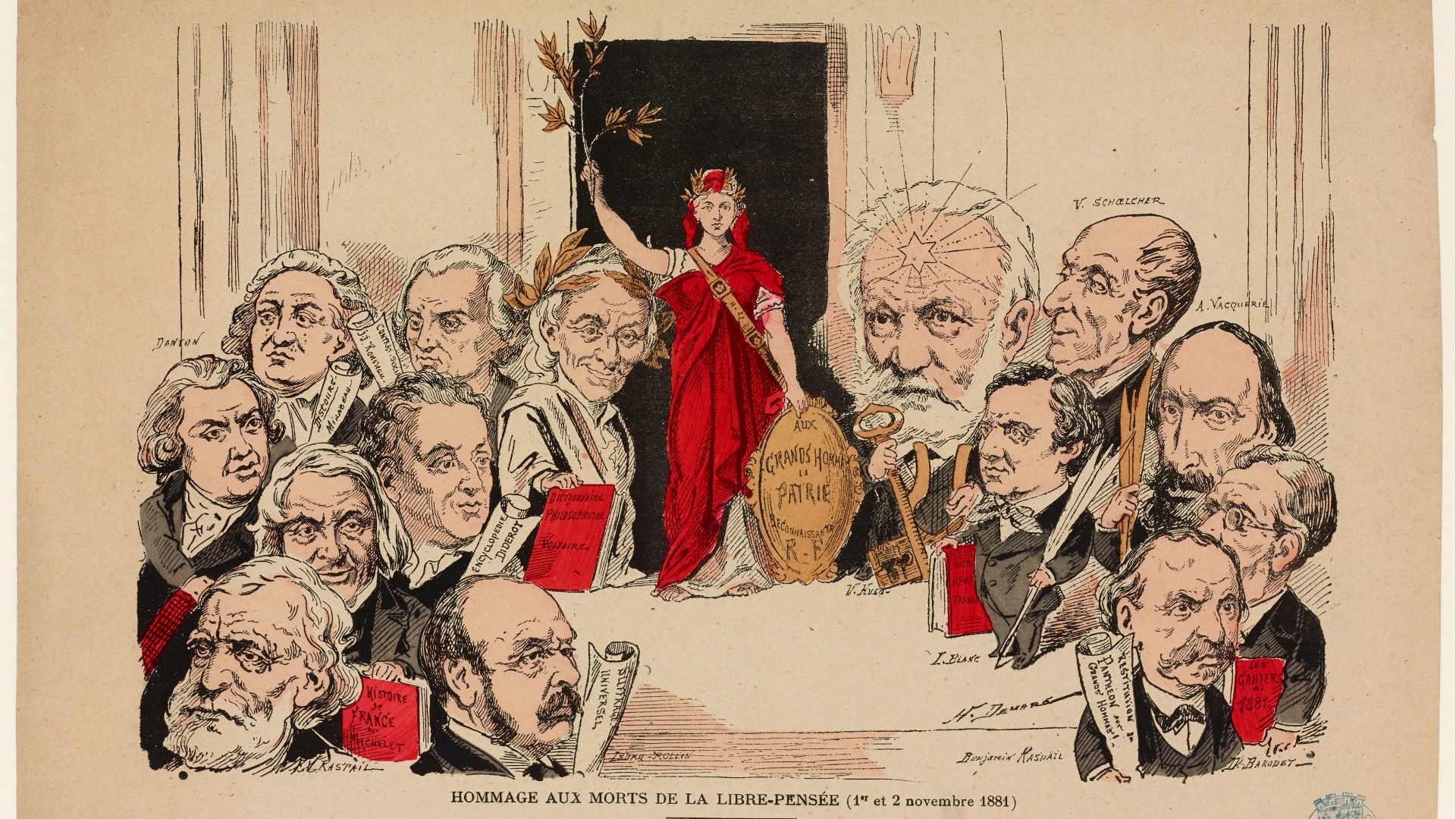
For Enlightenment thinkers, coffee was more than a social stimulant—it was brain fuel. Voltaire is said to have drunk upwards of 50 cups of coffee a day because, as he said, it kept his mind sharp. Research shows that caffeine enhances focus, improves memory, and increases alertness. For minds working tirelessly to question old assumptions and build new frameworks of reason, the beverage offered a reliable mental boost, helping brainiacs think deeper, write more, and argue better.
Some historians believe that the Enlightenment might not have happened the same way if not for coffee replacing alcohol as Europe's daily drink.
“Coffee... ushered in a shift in the mental weather, sharpening minds that had been fogged by alcohol, freeing people from the natural rhythms of the body and the sun, thus making possible new kinds of work and, arguably, new kinds of thought, too,” journalist Michael Pollan writes in his book This Is Your Mind On Plants.
Coffee came to Europe from East Africa to the Arabian Peninsula. By the time coffee made its way to Europe through Eastern Africa and the Arabian Peninsula, there was already a bugeoning coffee culture in the Ottoman Empire. At this time, the Islamic world was way ahead of Europe in maths and sciences, and some historians attribute this to coffee, too.
Beyond a hub for intellectual thought, coffeehouses were the headquarters for political discussion and rebellion. The mob that stormed the Bastille in France, sparking the French Revolution, assembled at a Parisian cafe.