

From Thor To Loki: 20 Gods & Goddesses From Norse Mythology
Odin, You Are The Father!
Step aside, Marvel, it’s time for some real scholarly insight. If you didn’t know, Norse mythology originated from the North Germanic peoples, or the Vikings, as we so lovingly call them. Unfortunately, we don’t have a lot of primary texts sharing the details of this mythology, as many were lost during or before the Middle Ages. However, Norse Mythology has been a popular area of study since the 17th century. If you can name more than three figures on this list, you get a free drinking horn, on us.
1. Búri
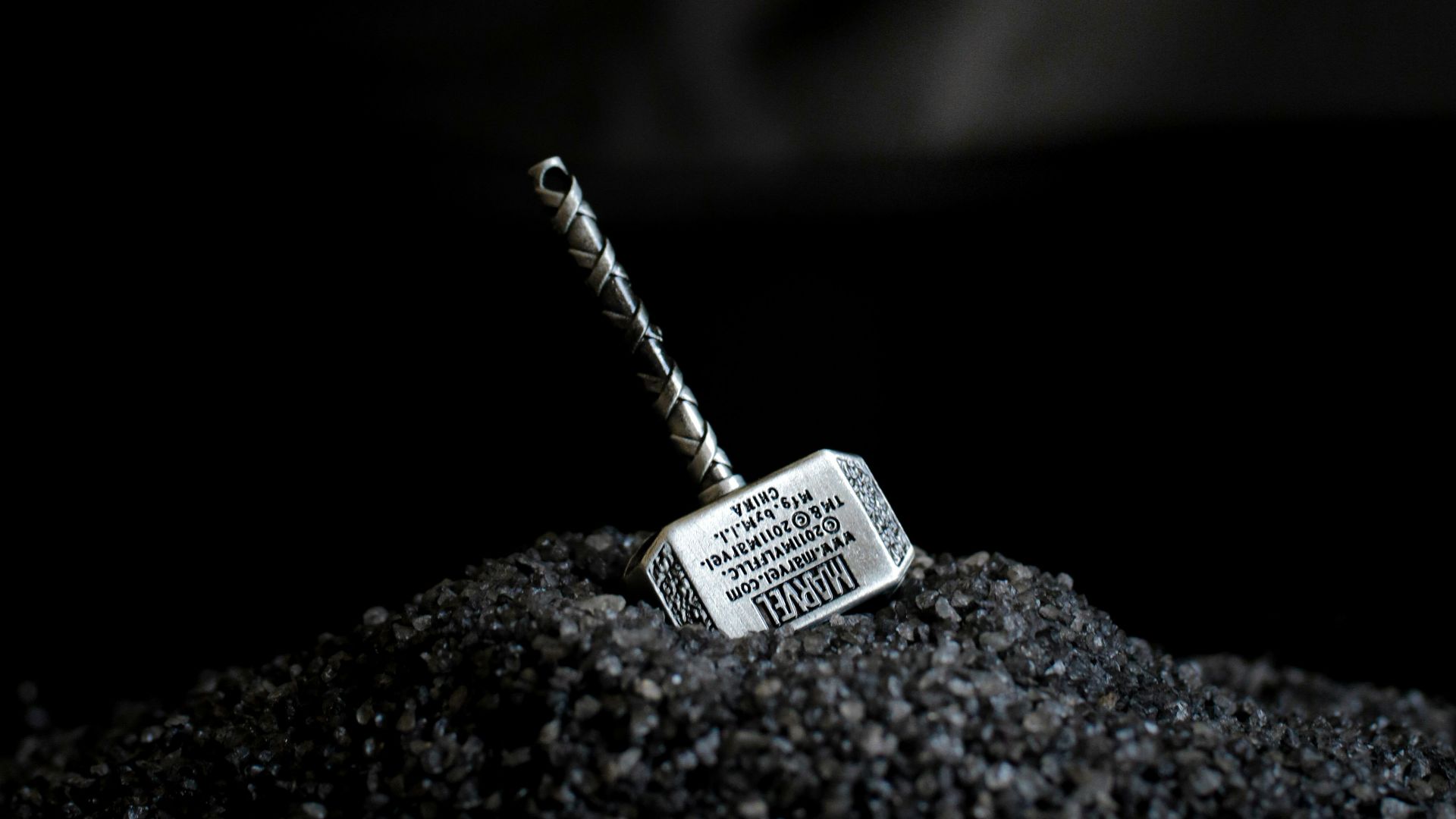
Considered the “producer” or “father” of all other gods, this divinity god is said to have been born by being licked free from salty rime stones by a cow. He’s also considered an early ancestor of the Æsir gods, an Old Norse religion.
2. Yggdrasil
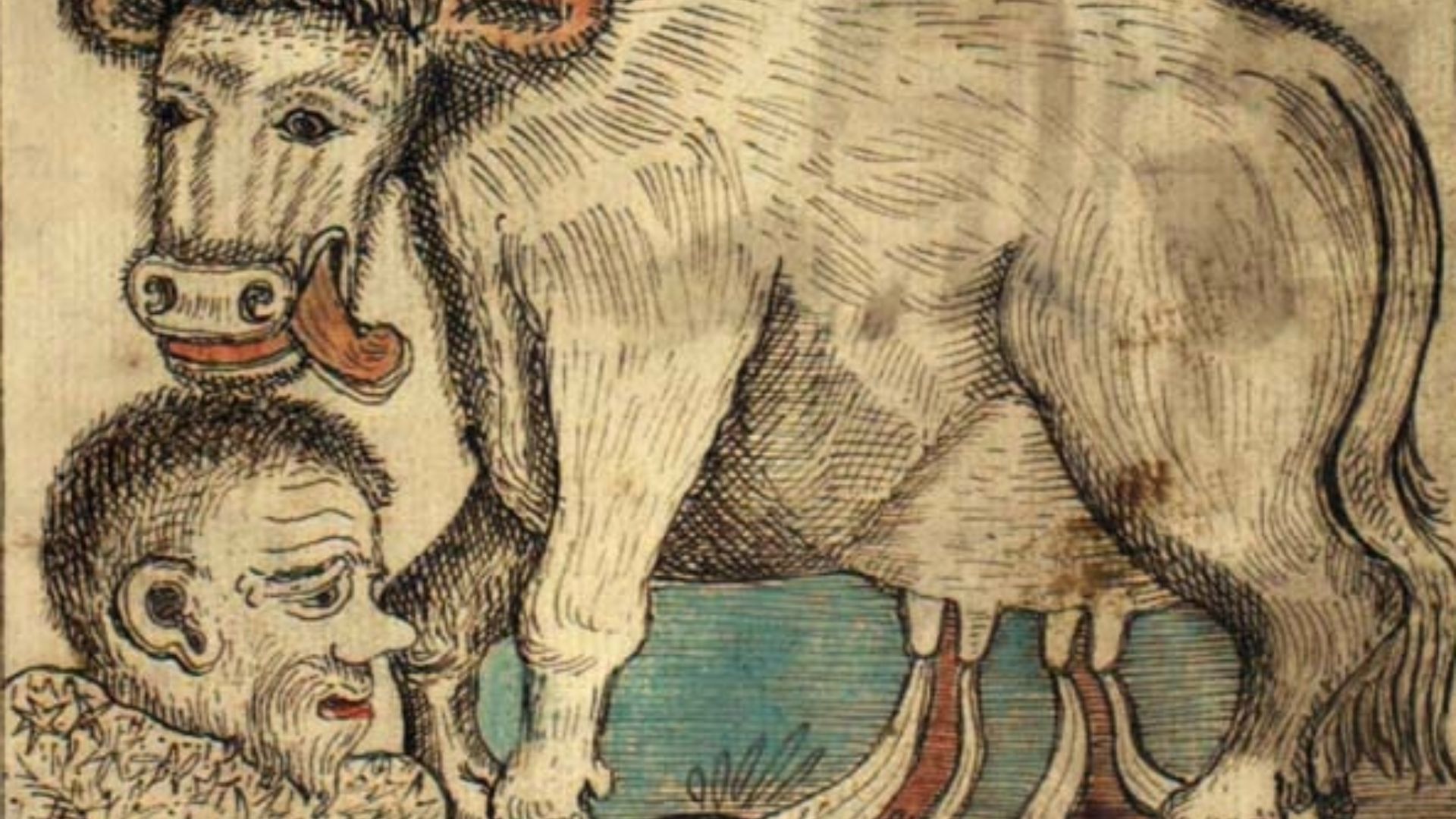
This goddess is technically a tree. Let us explain. Yggdrasil is the name of the central sacred tree in Norse cosmology. It’s the center point of our universe, or the “Nine Worlds,” as believed by the North Germanic peoples. It’s said that the gods themselves go to Yggdrasil every day to assemble.
 Friedrich Wilhelm Heine on Wikimedia
3. Óðinn
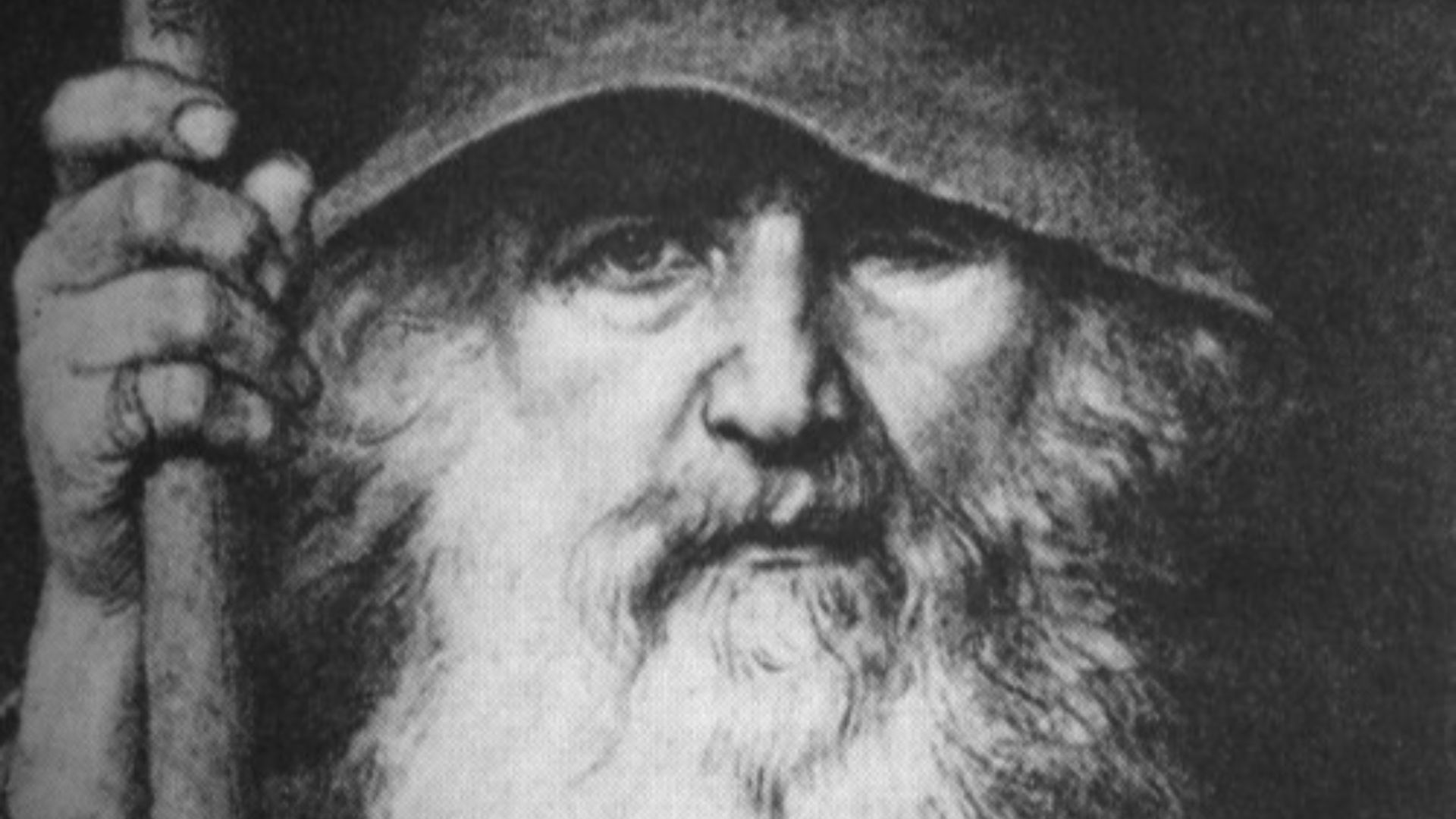
You know this guy! Óðinn, or Odin, is considered a widely revered god in this mythology. Think of him kind of like the Norse Pan, as some of his many names translate to “lord of frenzy” or “leader of the possessed.” Odin is, of course, father to Thor and husband to Freyja.
4. Freyja
Associated with love, beauty, fertility, sex, war, gold, and premonitions, Freyja really does it all. Married to the great Odin, Freyja is also constantly accompanied by her chariot pulled by two cats, a boar named Hildisvíni, and a cloak that allows her to transform into a falcon hammer.
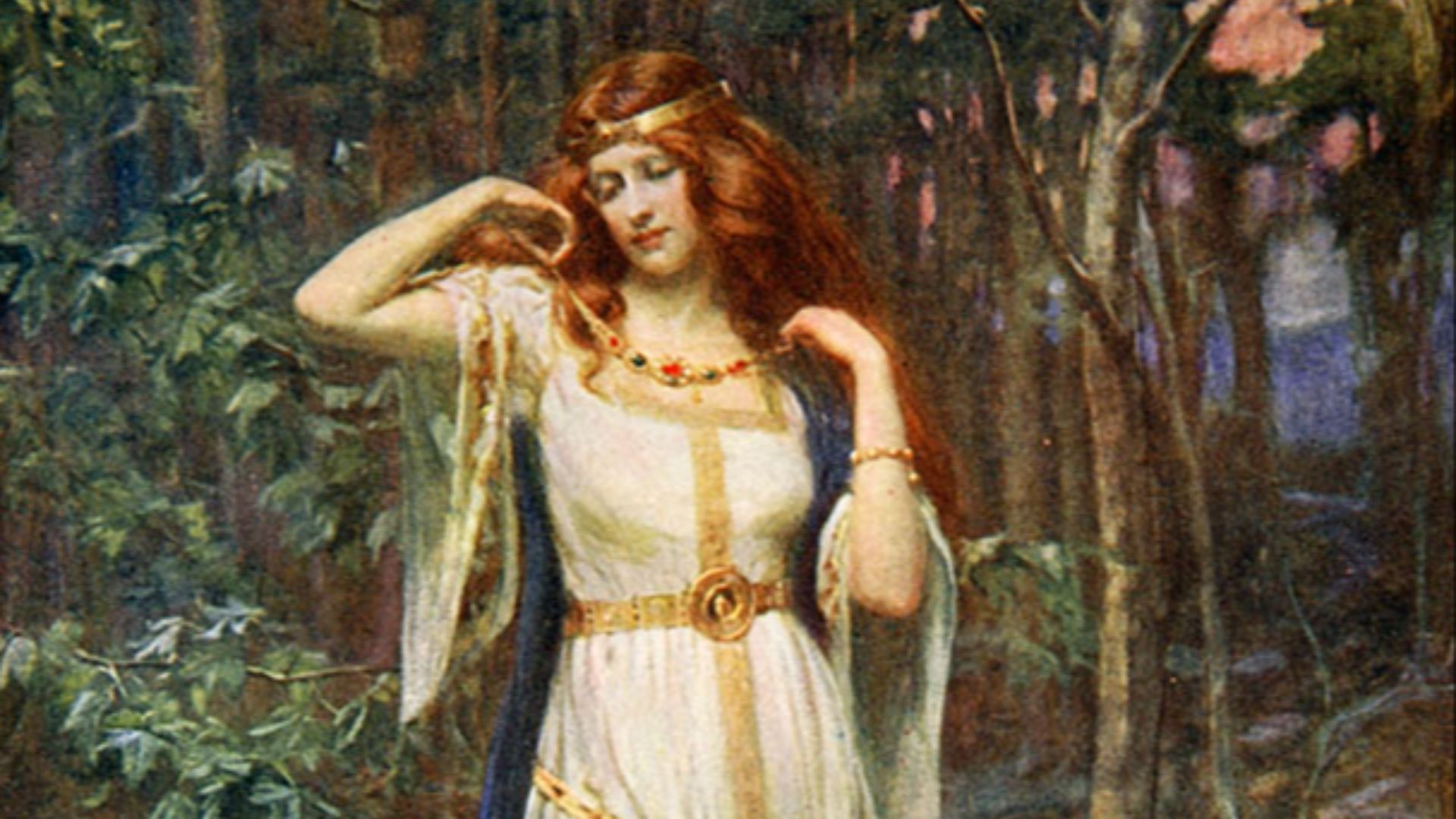 James Doyle Penrose (1862-1932) on Wikimedia
5. Baldr
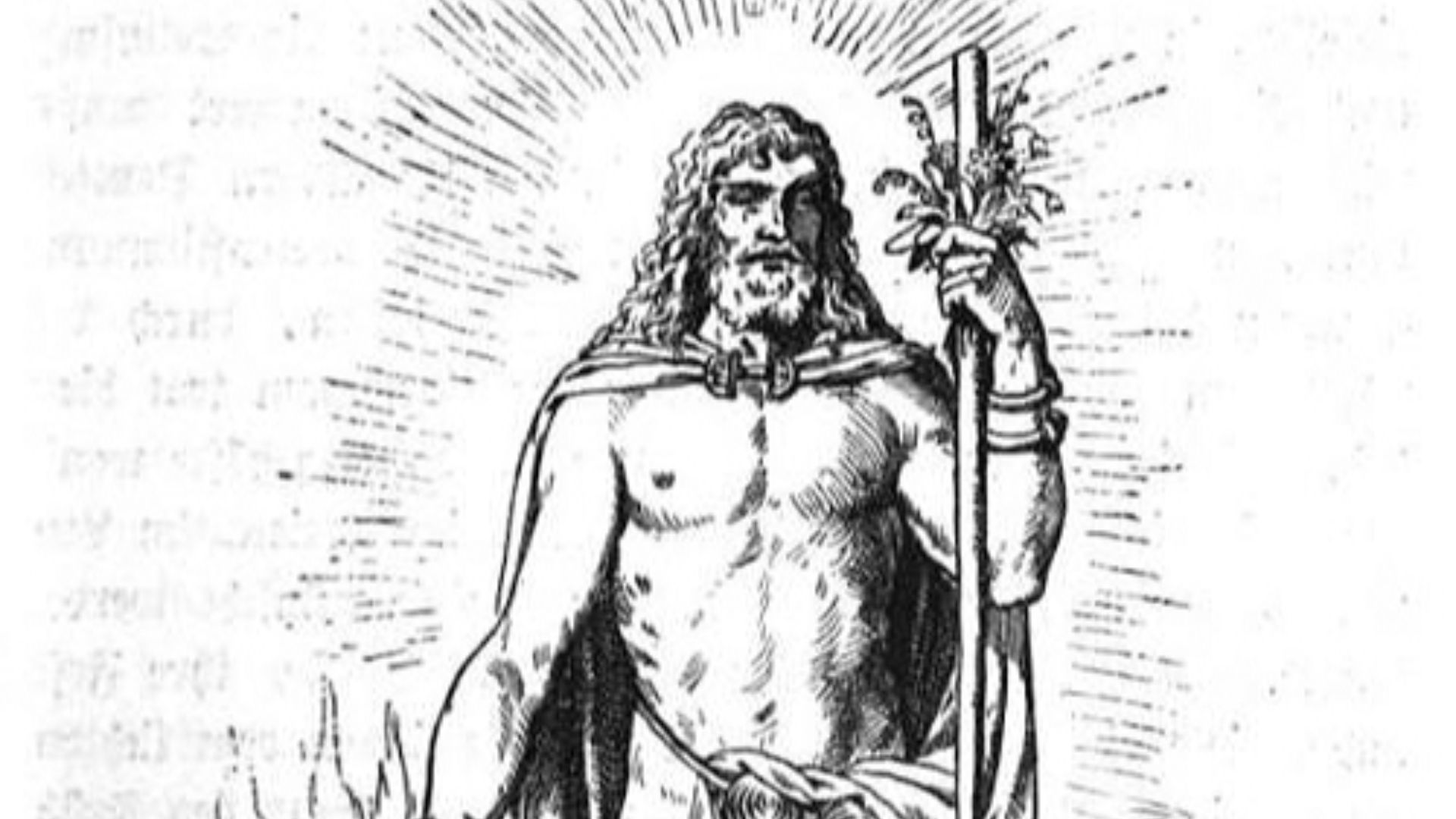
Baldr is one of Odin’s kids and is considered the god of light, beauty, purity, and peace. He was married to a goddess of similar attributes, named Nanna. Baldr is well-loved in mythology and is considered the lynch pin to Ragnarök, the Norse name for the end of the world. Baldr is accidentally killed by his brother Höðr after he’s tricked by Loki.
6. Nanna
Nanna is a goddess of light, beauty, and purity. In mythology, Nanna is married to Baldr, and it’s said she died from grief shortly after Baldr's death. Nanna also birthed one son, Forseti, the god of justice. Her name translates to “mother of the brave.”
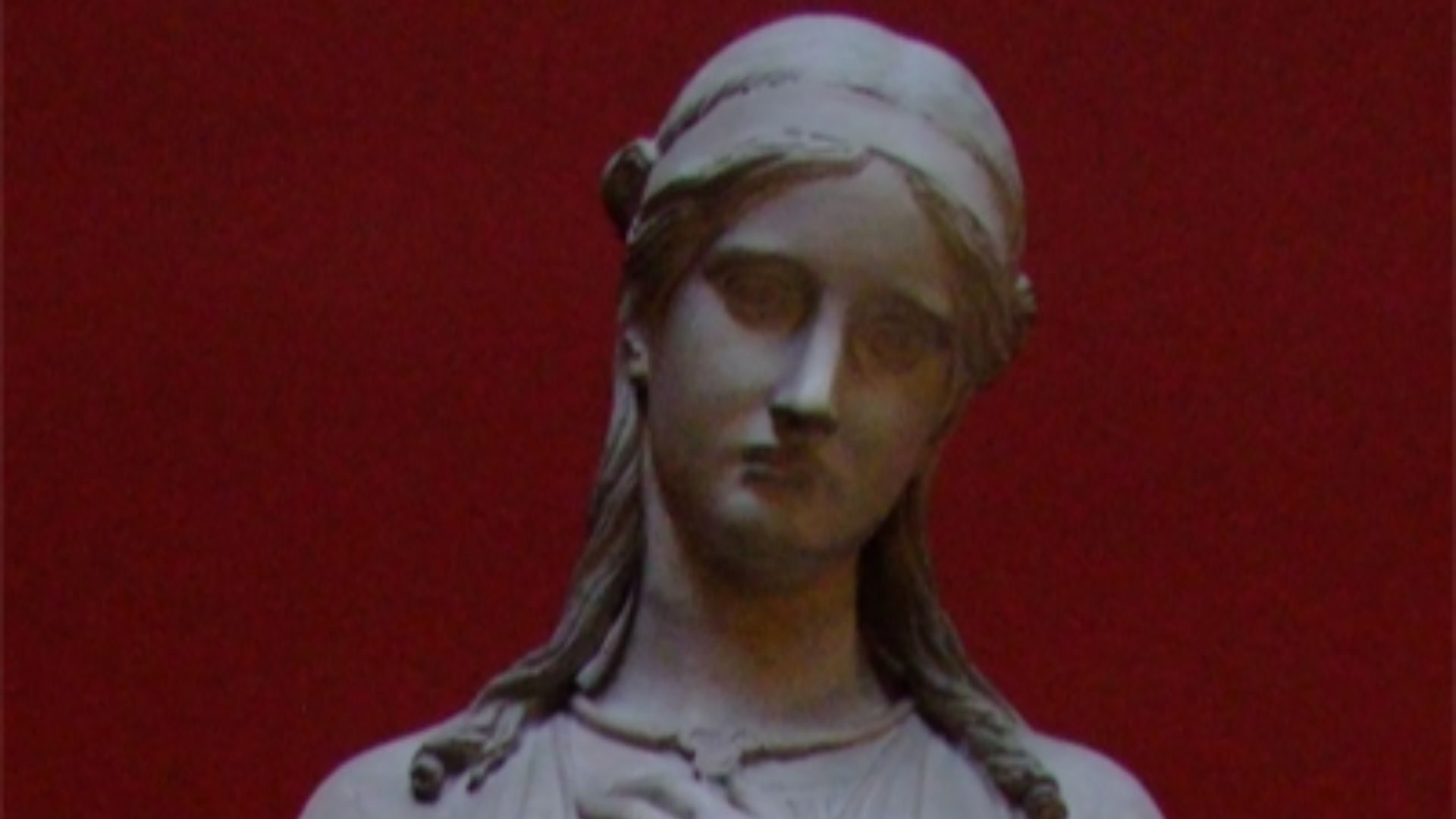 Photography by Bloodofox of a work by H. W. Bissen (1786-1840). on Wikimedia
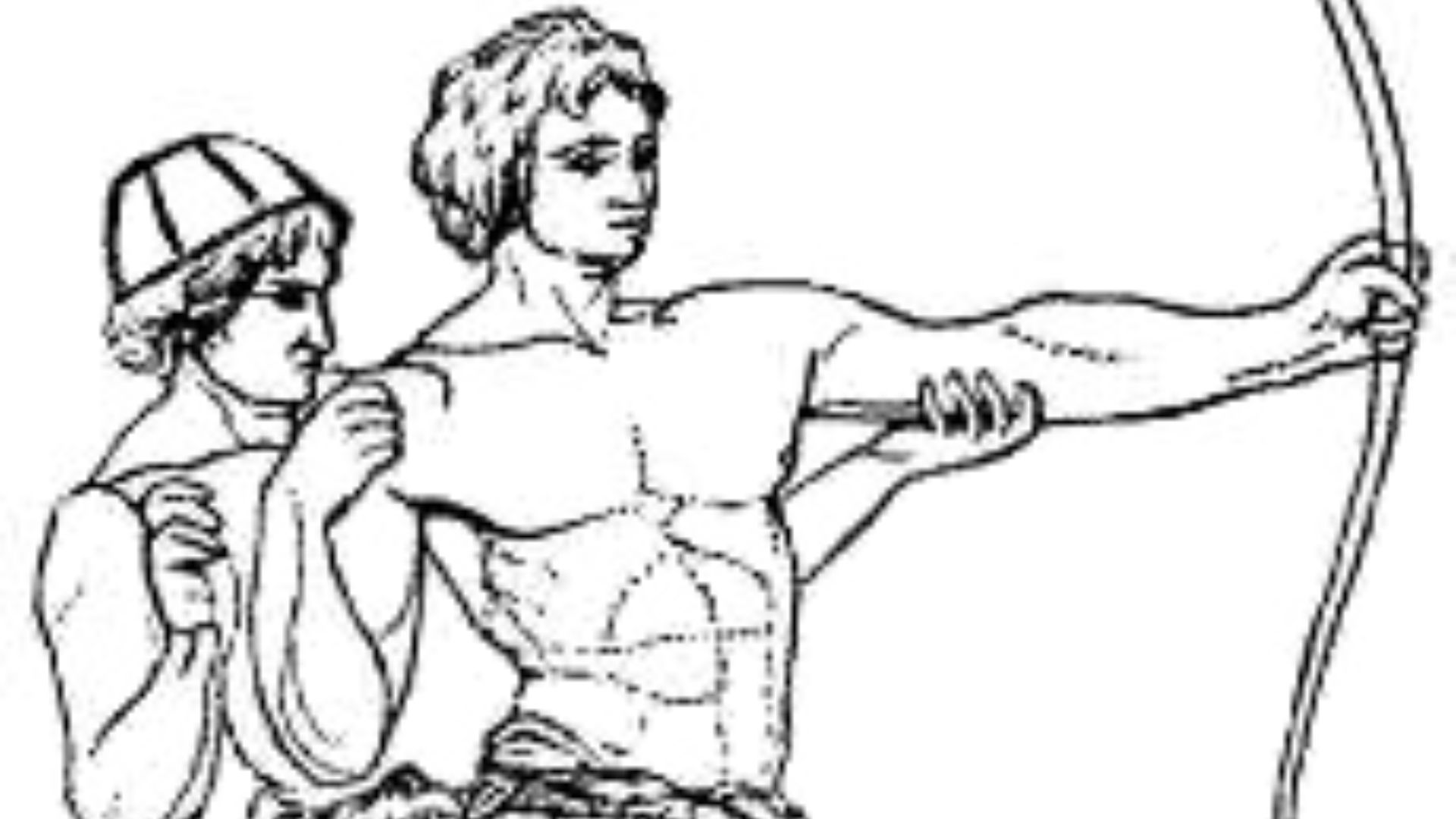
7. Höðr
Continuing this family tree, Höðr is the blind god of winter, son of Odin, and brother of Baldr. After being tricked into killing Baldr with a mistletoe arrow, Odin and the princess Rindr gave birth to the god Váli, who slew Höðr in revenge.
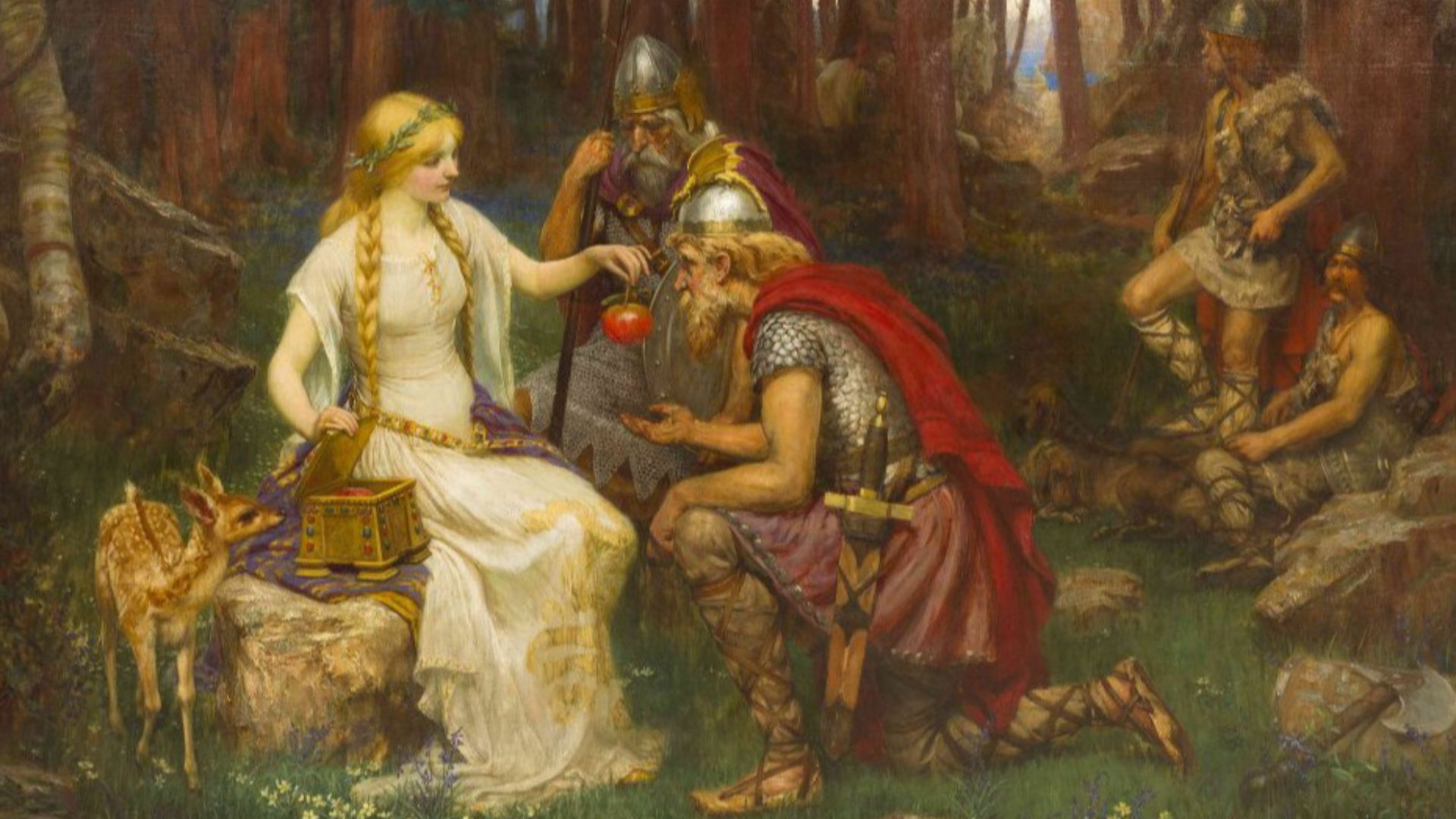
8. Iðunn
Iðunn is known as the goddess of apples and youth. In fact, when she’s stolen away by Þjazi and disappears from Asgard (another trick by Loki), all the gods in the pantheon grow old and grey, meaning that she is a physical representation of the gods’ immortality.
 James Doyle Penrose on Wikimedia
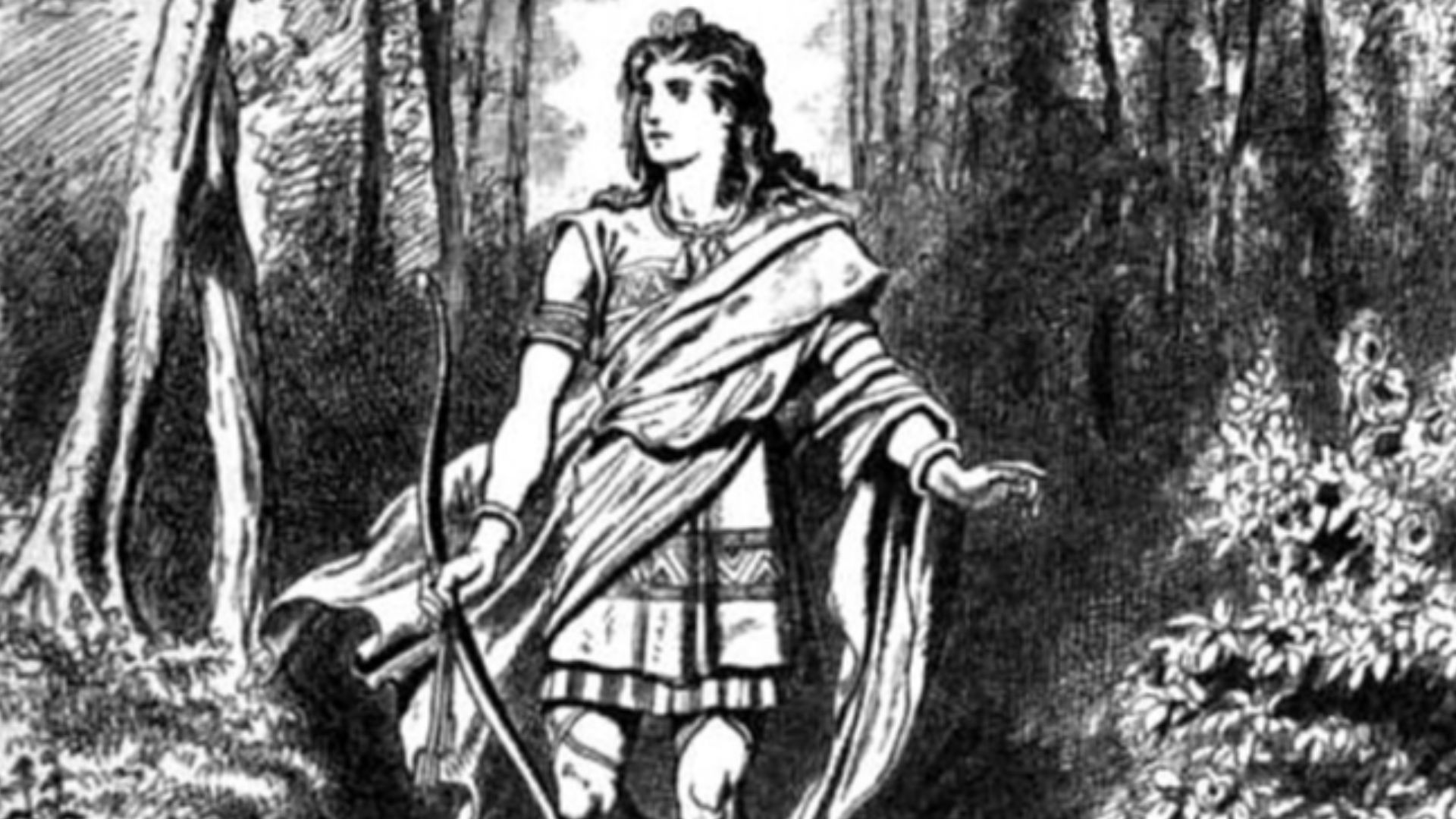
9. Váli
Half-brother of Thor, Baldr, and Höðr, Váli is the god of revenge. Born to Odin and Rindr, it’s written that Váli grew to full adulthood within one day of his birth, before slaying Höðr and binding Loki. It’s said that he is one of the few gods who will survive Ragnarök.
 Carl Emil Doepler (1824-1905) on Wikimedia
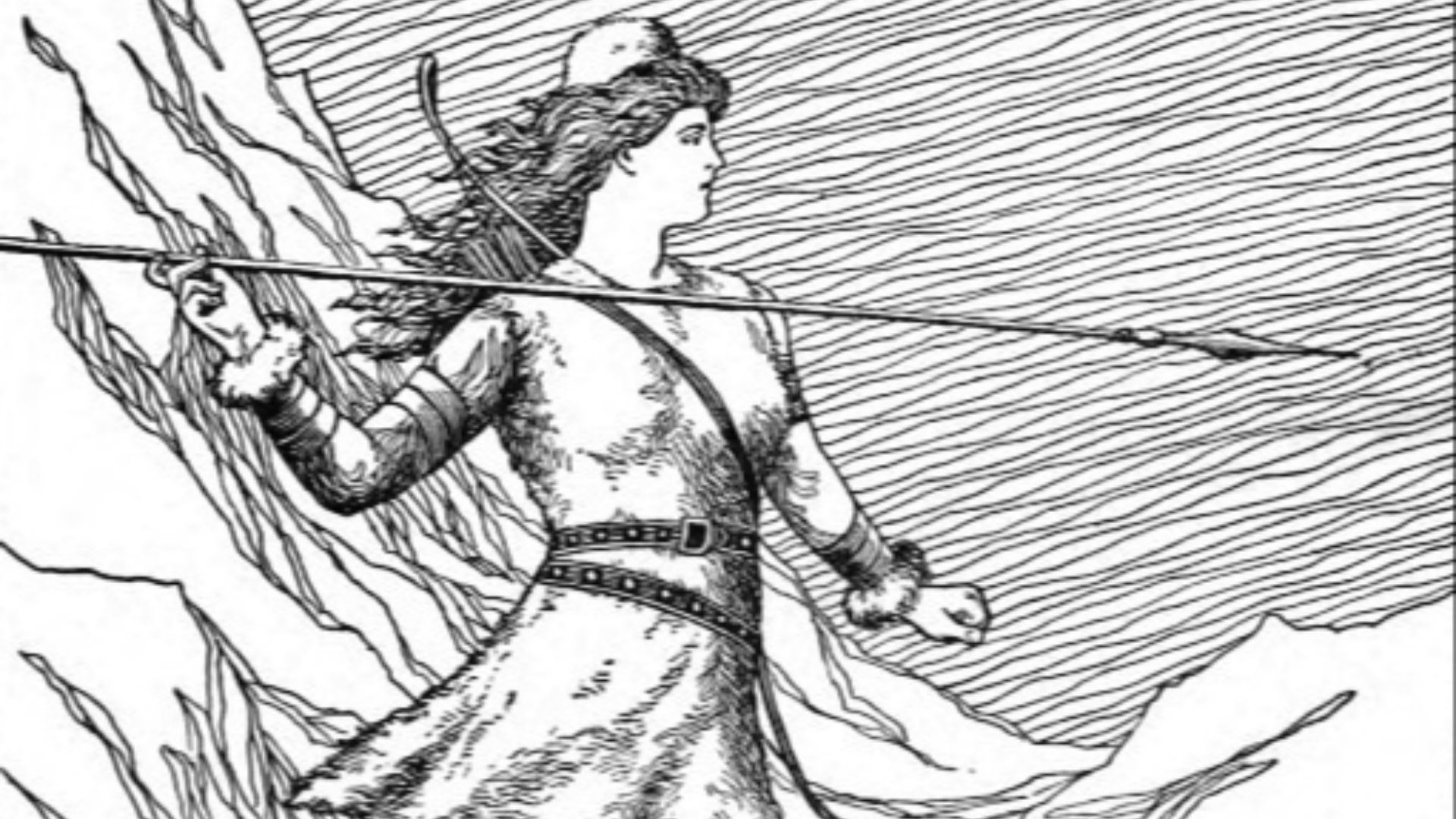
10. Skaði
Skaði is the goddess of bowhunting, skiing, winter, and mountains. She’s the ex-wife of Njörðr and a wife of Odin. It’s said that Skaði only married Njörðr as compensation for the gods killing her father, Þjazi, after he kidnapped Iðunn.
11. Bragi
Bragi is the god of poetry, music, and the harp. He’s another son of Odin, and it’s said that he’s married to Iðunn, but certain poems also suggest that he killed Iðunn’s brother. Unfortunately, no further information has been found about this secret sibling.
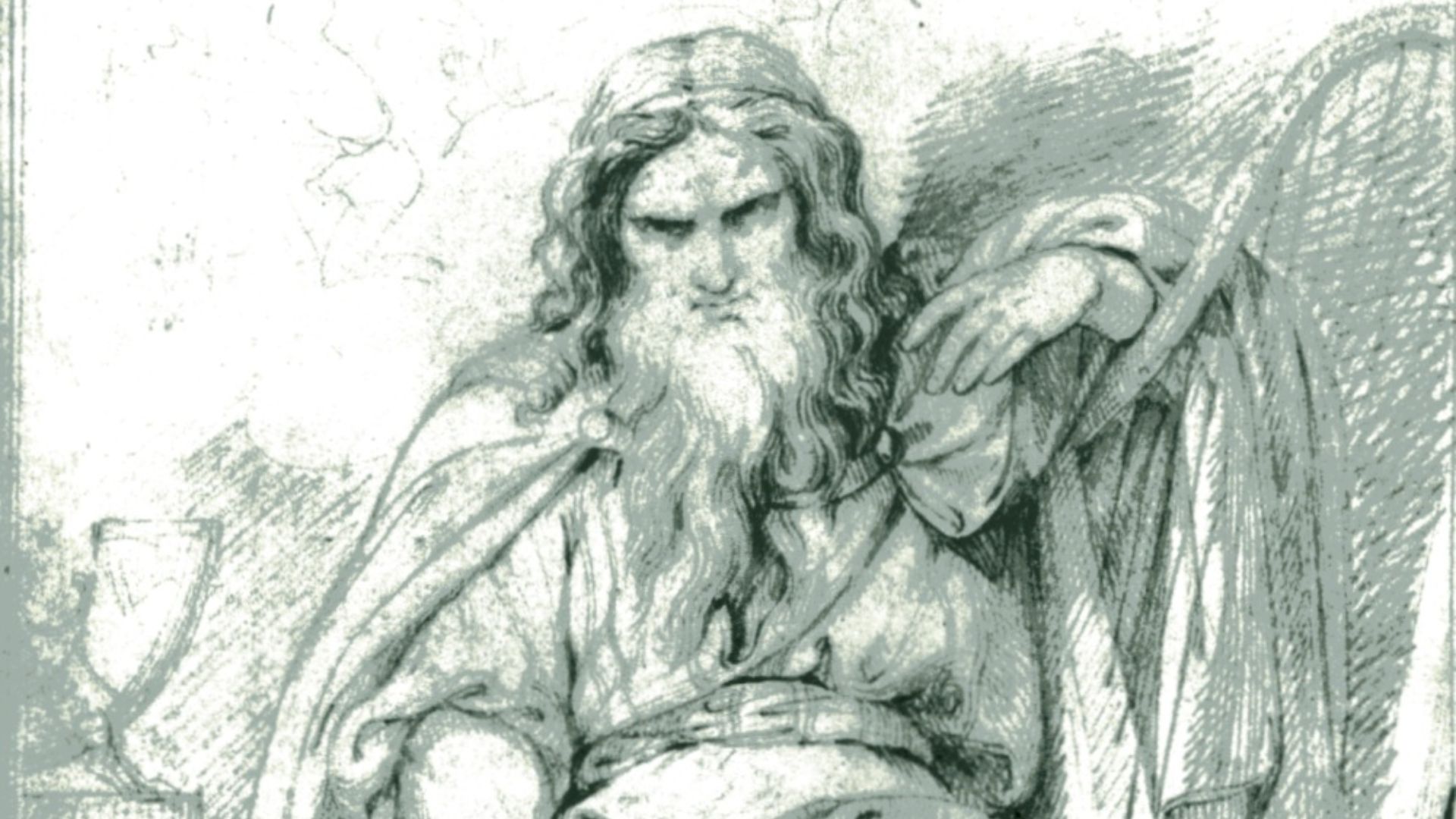
12. Frigg
Frigg is the goddess of marriage, prophecy, clairvoyance, and motherhood. She is also - shocker - one of Odin’s wives. The word Friday comes from the term “Frigg’s Day,” so maybe we should be saying TFIF instead of TGIF.
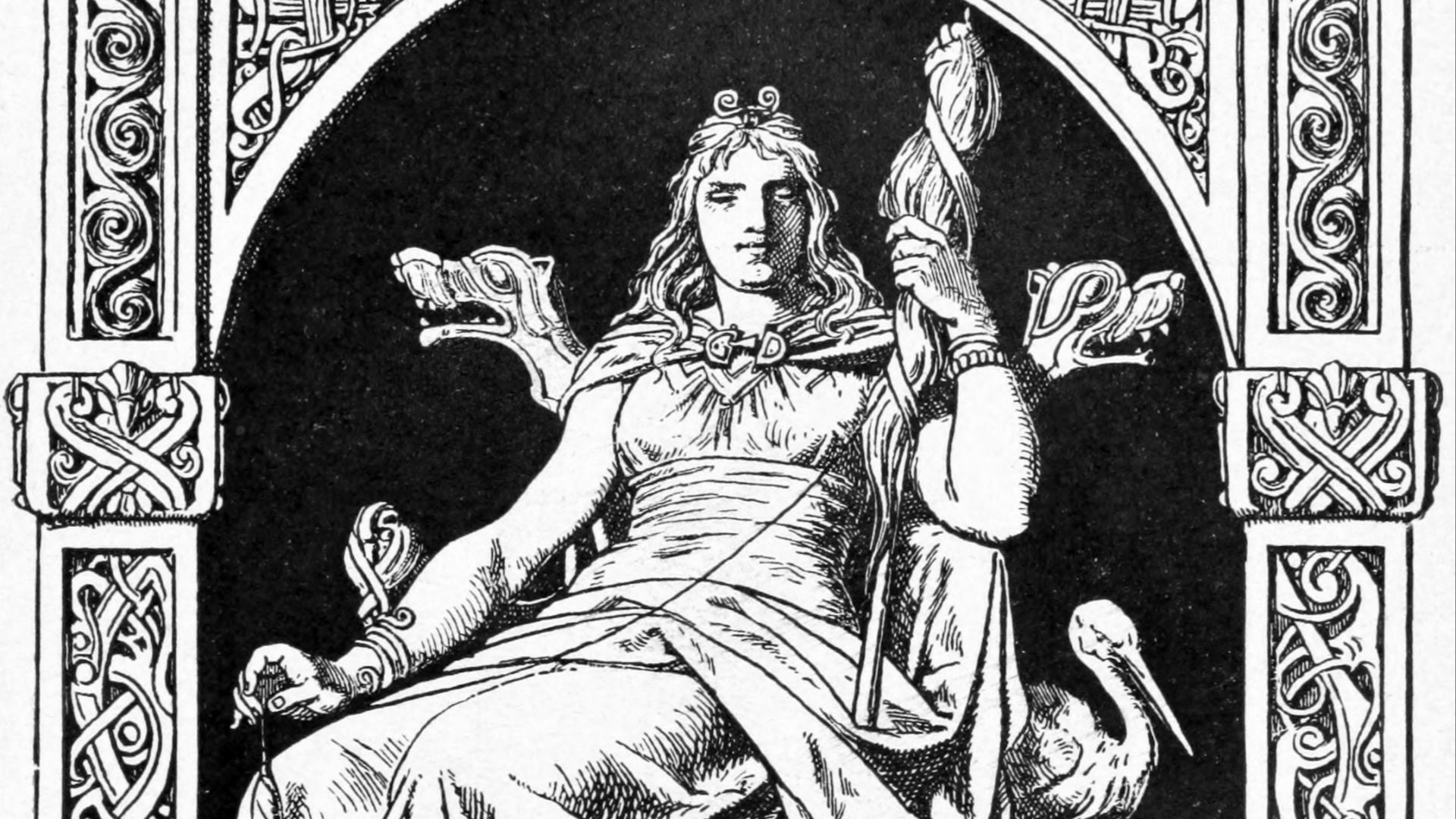 Johannes Gehrts (1855–1921) on Wikimedia
13. Hœnir
This mighty god is considered one of the three gods who created the first humans. Working alongside Odin and Lóðurr, it’s said that Hœnir gave reason to man. Histories also mention that Hœnir is one of the few gods who would survive Ragnarök.
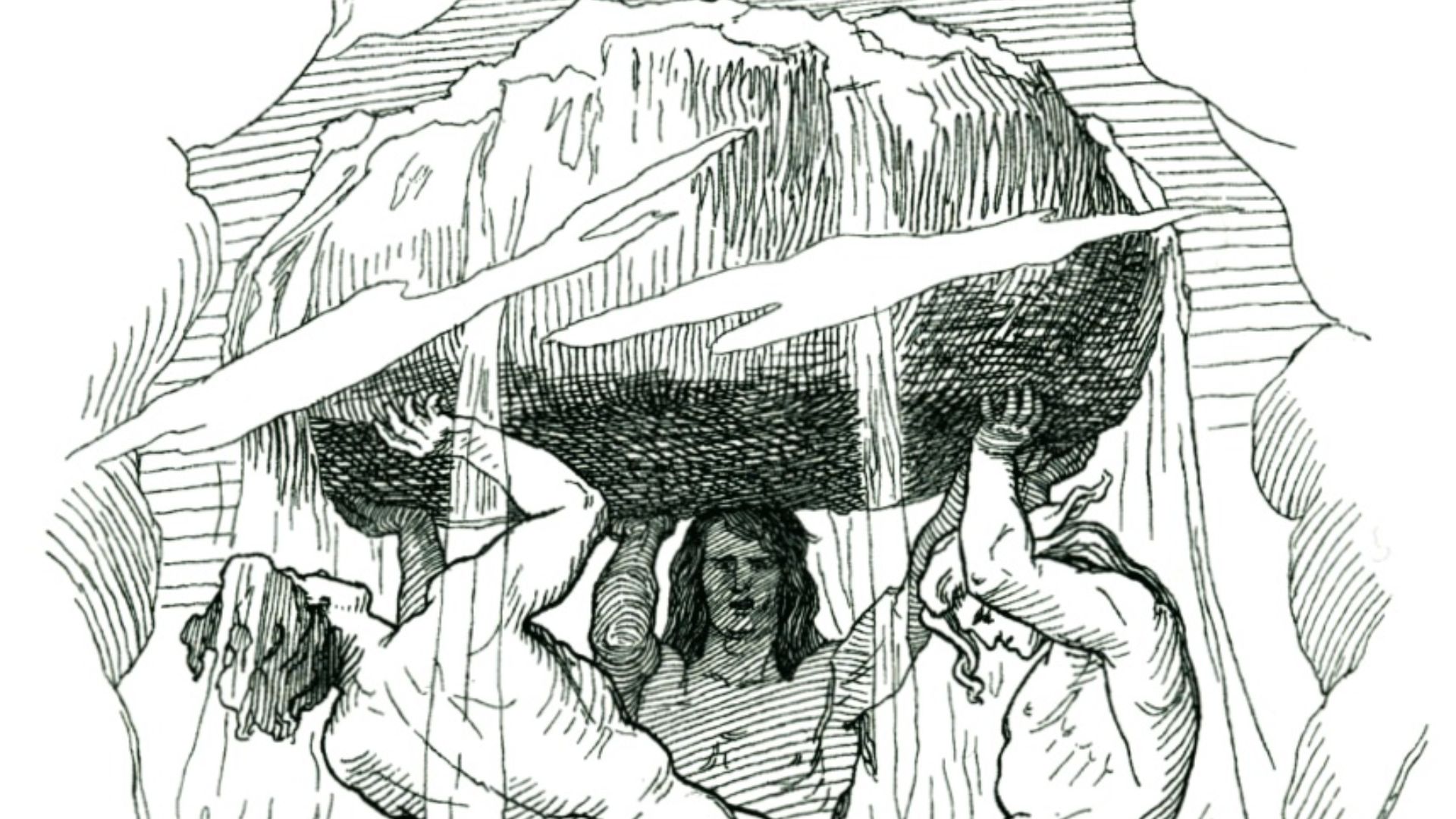 Original uploader was Haukurth at en.wikipedia on Wikimedia
14. Rán
The goddess Rán is a personification of the sea. Alongside her husband Ægir and their nine daughters, it’s said that Rán used a net to capture sea-goers. The common noun rán means plundering, theft, or robbery.
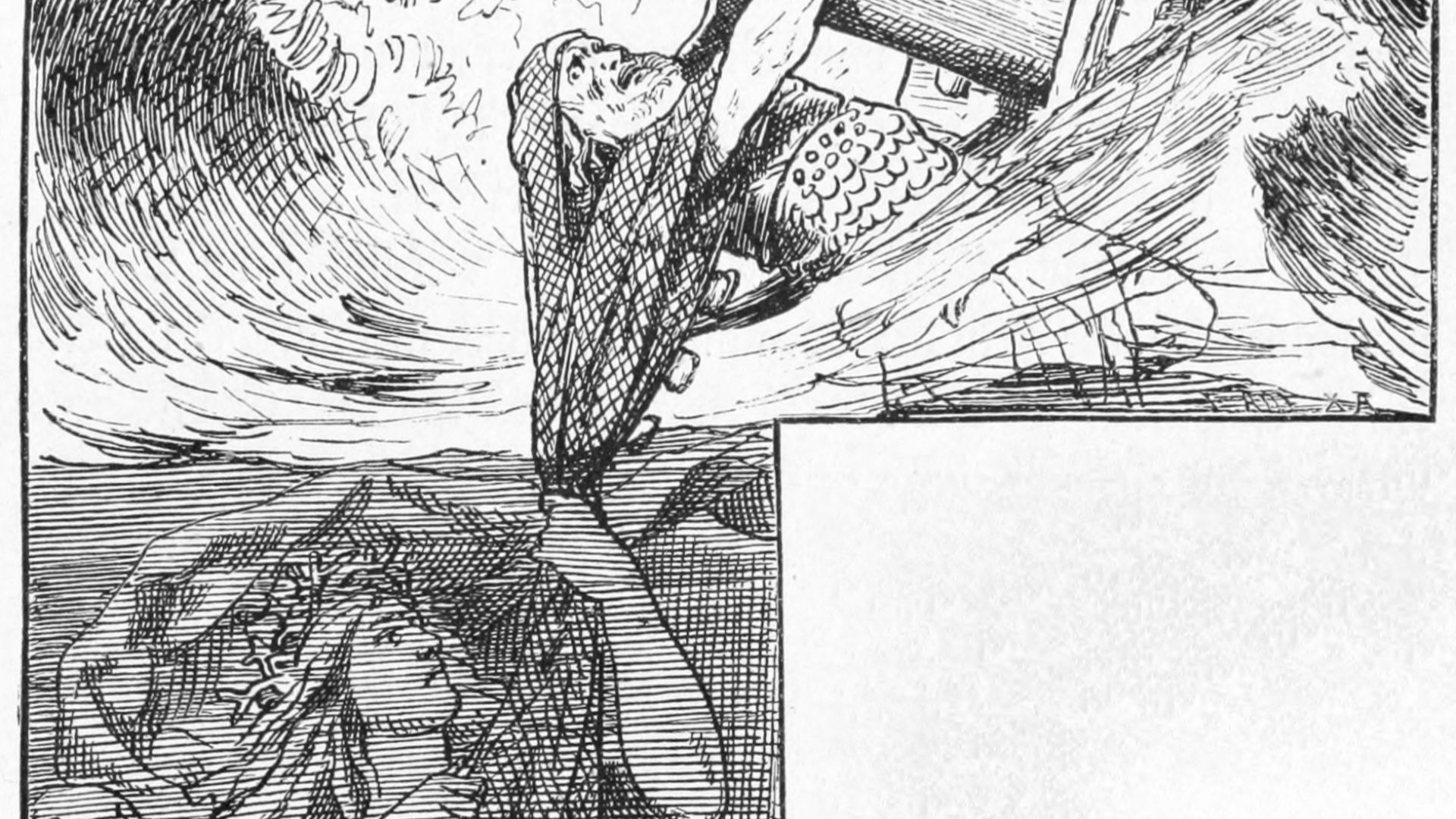 Johannes Gehrts (1855–1921) on Wikimedia
15. Loki
This guy! The trickster god of mischief, Loki, is the son of Fárbauti and Laufey (the goddess, not the singer). He’s married to the goddess Sigyn and has at least one son and one daughter. Loki is known to be the main antagonist in many Norse texts. Loki is also a shape-shifter and can turn into a salmon, a mare, and a fly.
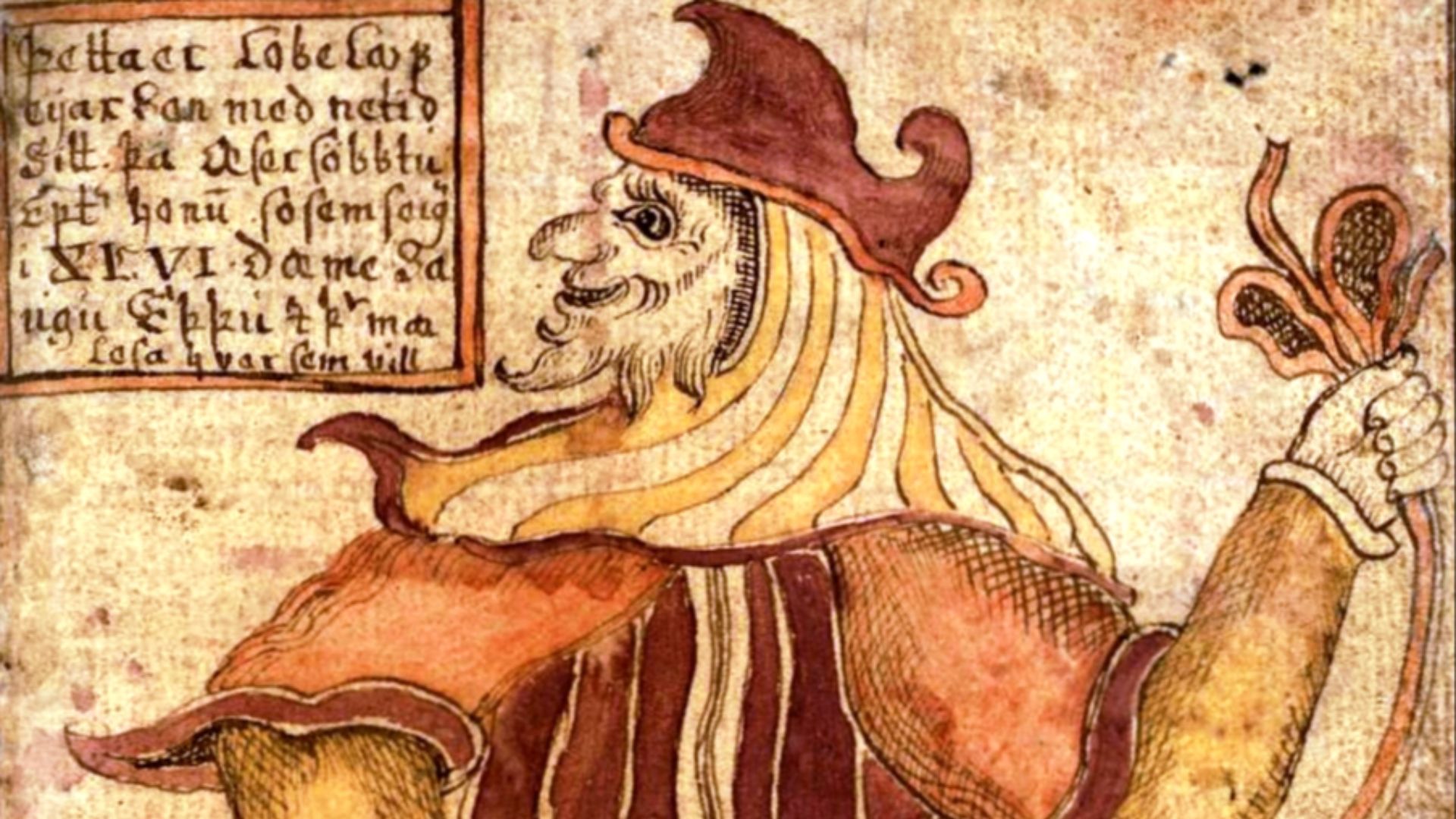
16. Sigyn
Sigyn is the wife of Loki and mother of Narfi. It's said that her name translates to “friend of victory,” and she is mentioned primarily during the story of Loki’s captivity by Váli, when he’s bound using the entrails of Narfi as payment for his crimes. We sure hope you’re not reading this at dinner…
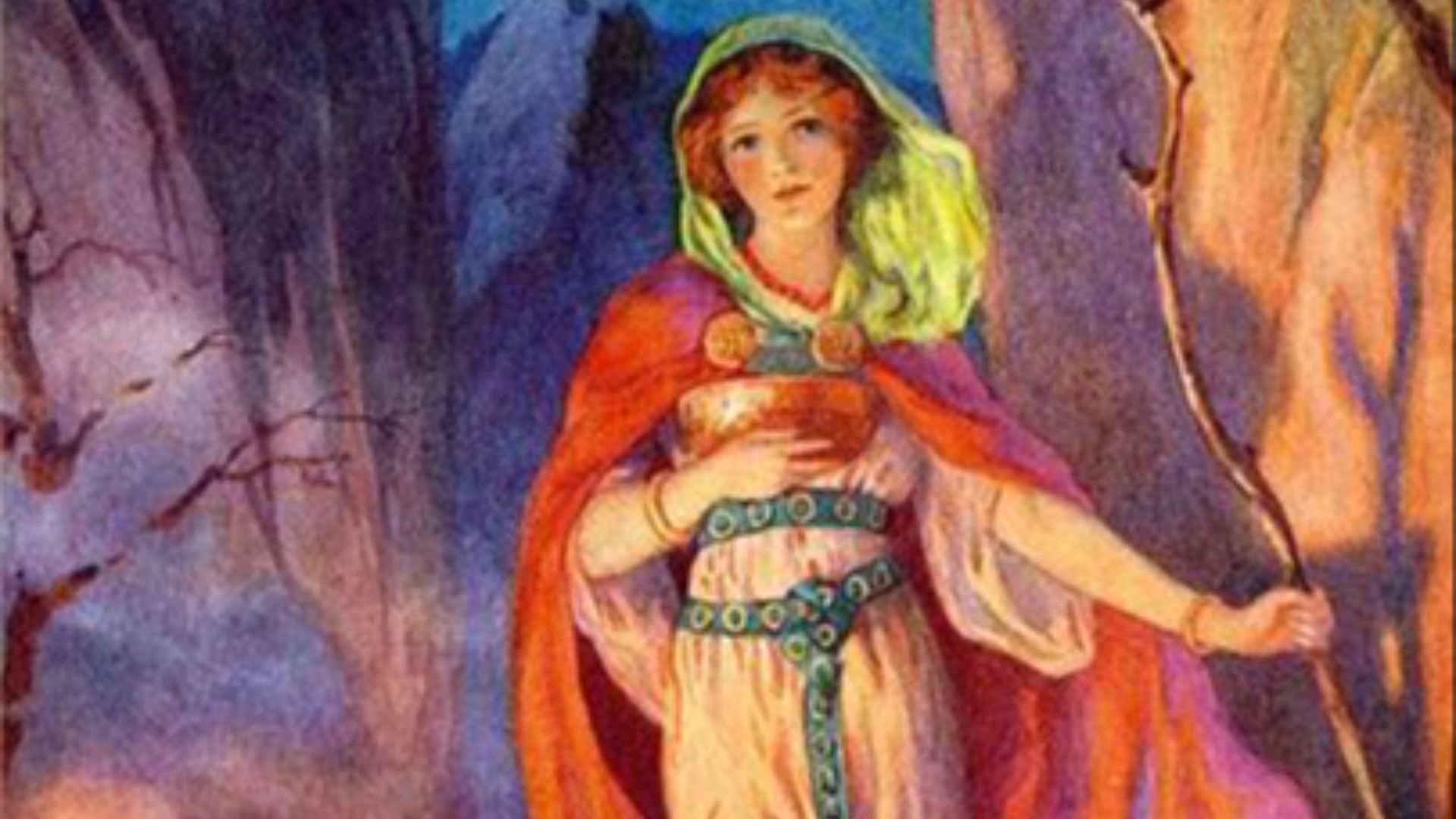 Harry George Theaker, illustrator on Wikimedia
17. Thor
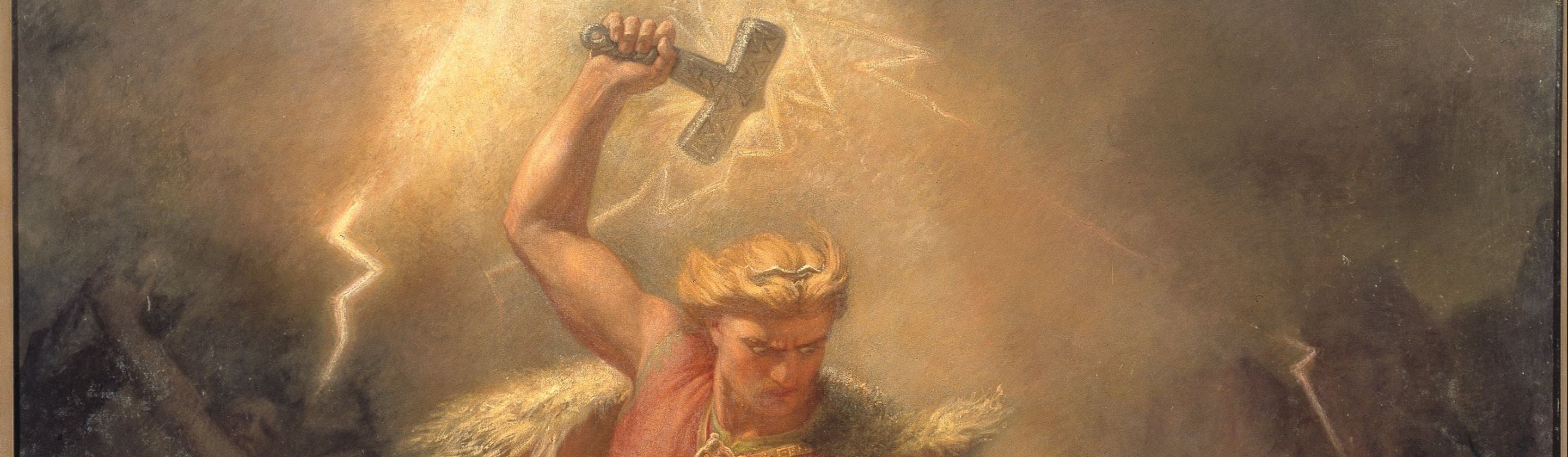
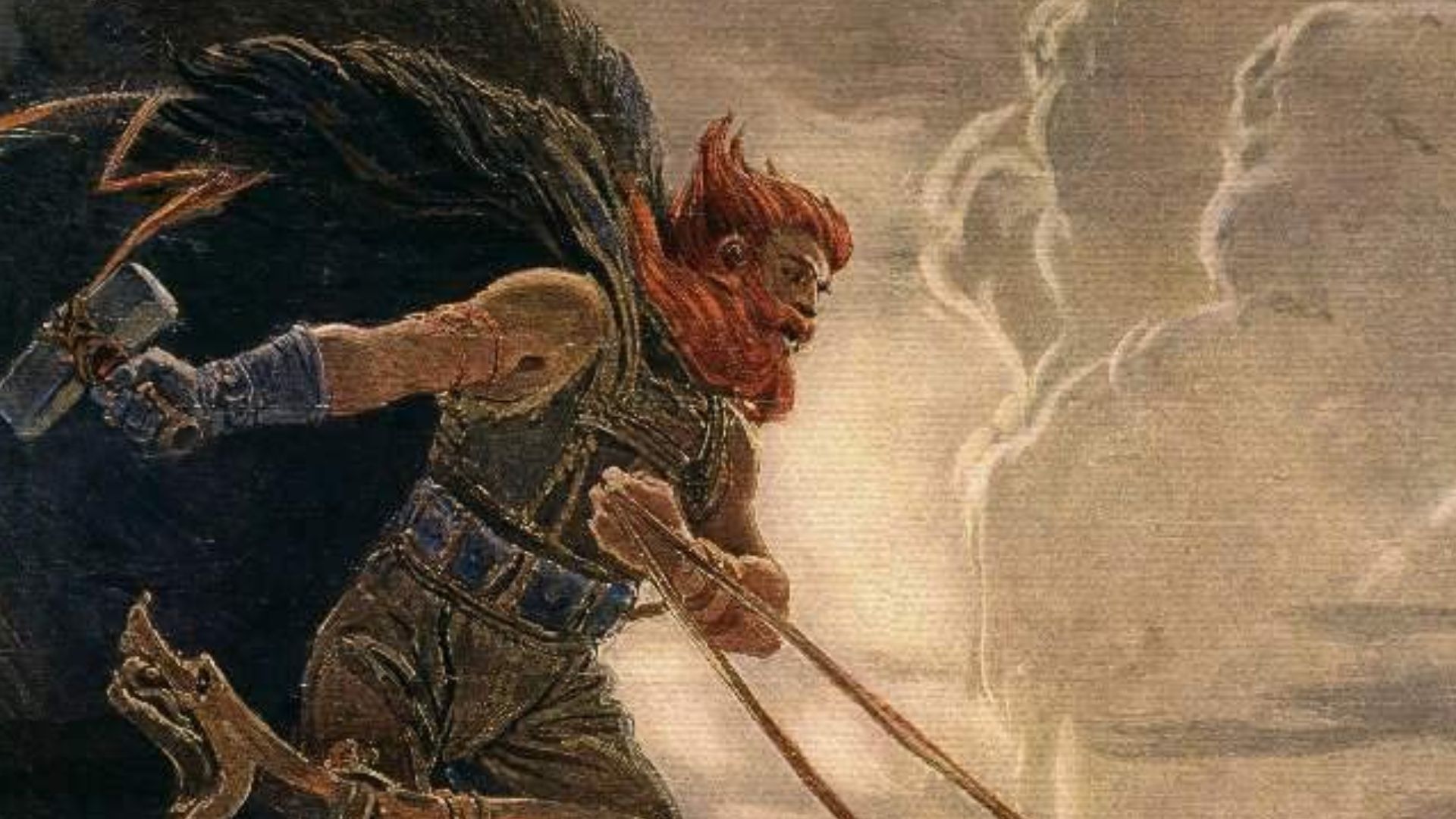
Okay, okay, we’ll talk about him. Thor is the god of thunder, storms, strength, protection, fertility, farmers, and free people. This mighty man is also known for his hammer, Mjölnir, a mystical tool that could be used as a weapon or provide blessings.
18. Sif
Wife of Thor, and goddess of the earth, Sif is well known for her long golden tresses. Said to be a translation of the Norse word sifijar, meaning affinity, connection, or by marriage, Sif also personifies the idea of faithfulness.
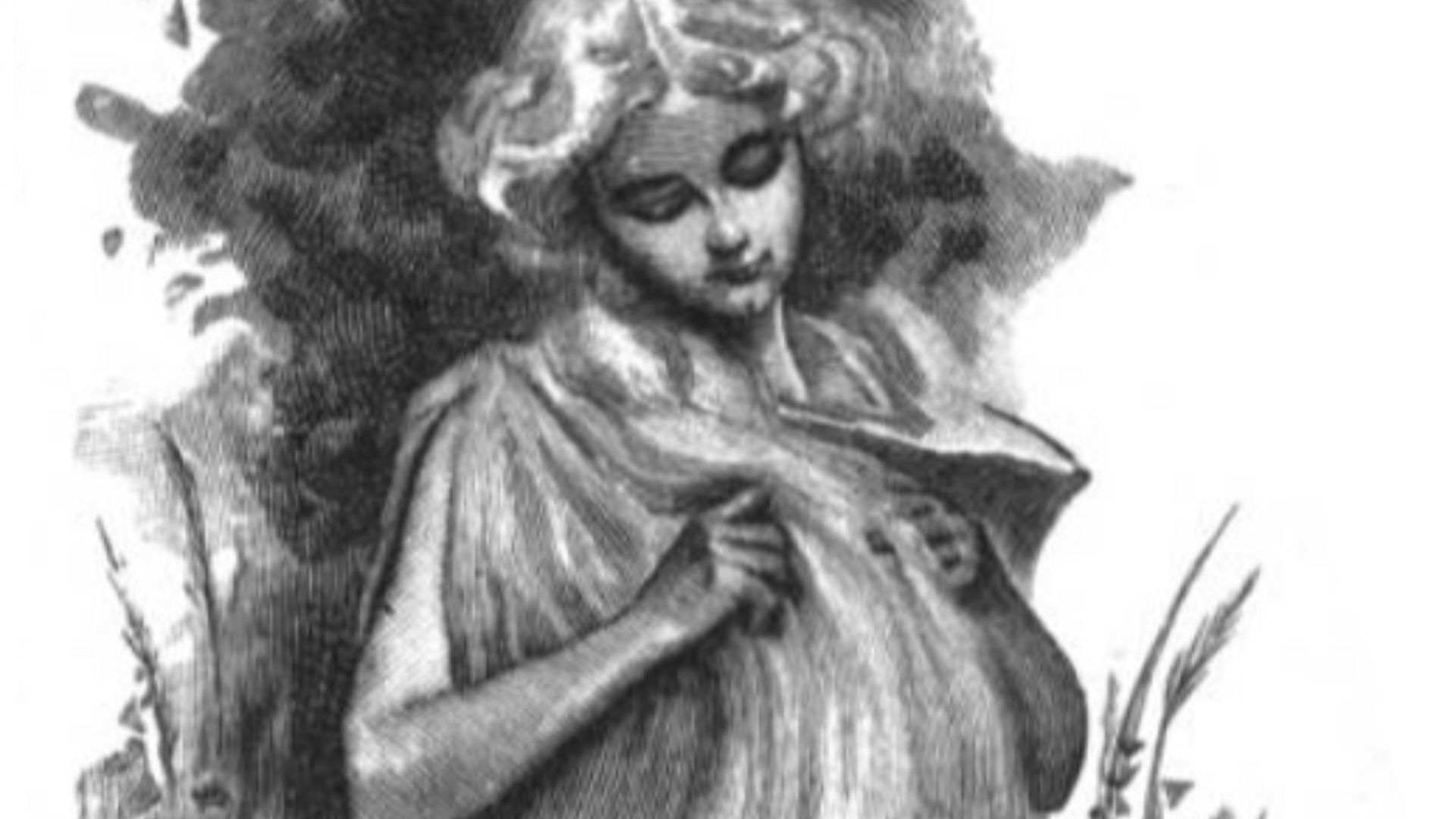 Unknown authorUnknown author on Wikimedia
19. Móði and Magni
Direct translations of “wrath” and “mighty,” Móði and Magni are Thor’s two sons, but not the children of Sif. Instead, these boys are the children of Járnsaxa— Thor’s lover out of wedlock. It’s no surprise that Járnsaxa translates to “iron dagger,” or “armed with an iron sword.”
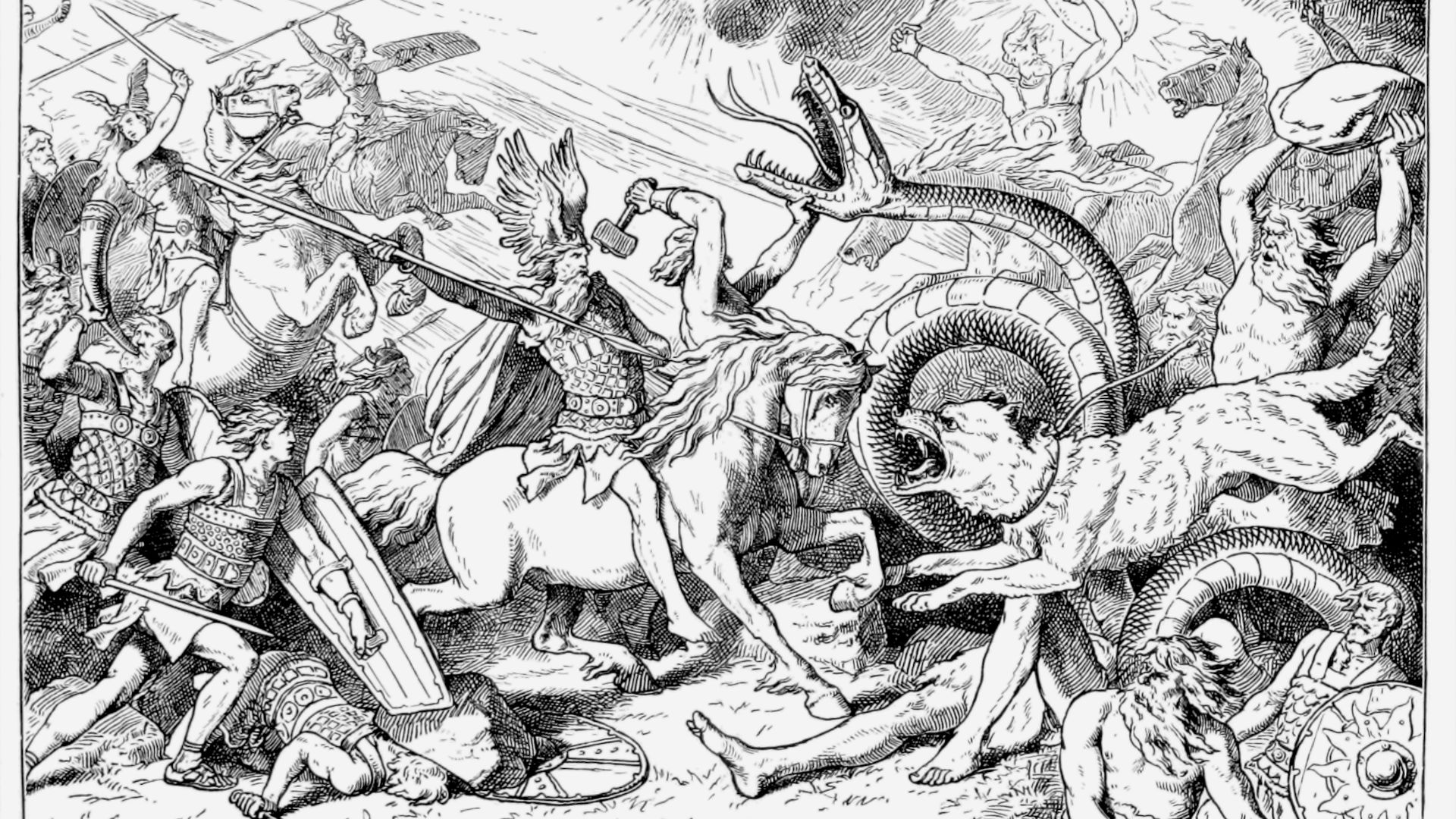 Johannes Gehrts (1855–1921) on Wikimedia
20. Hel
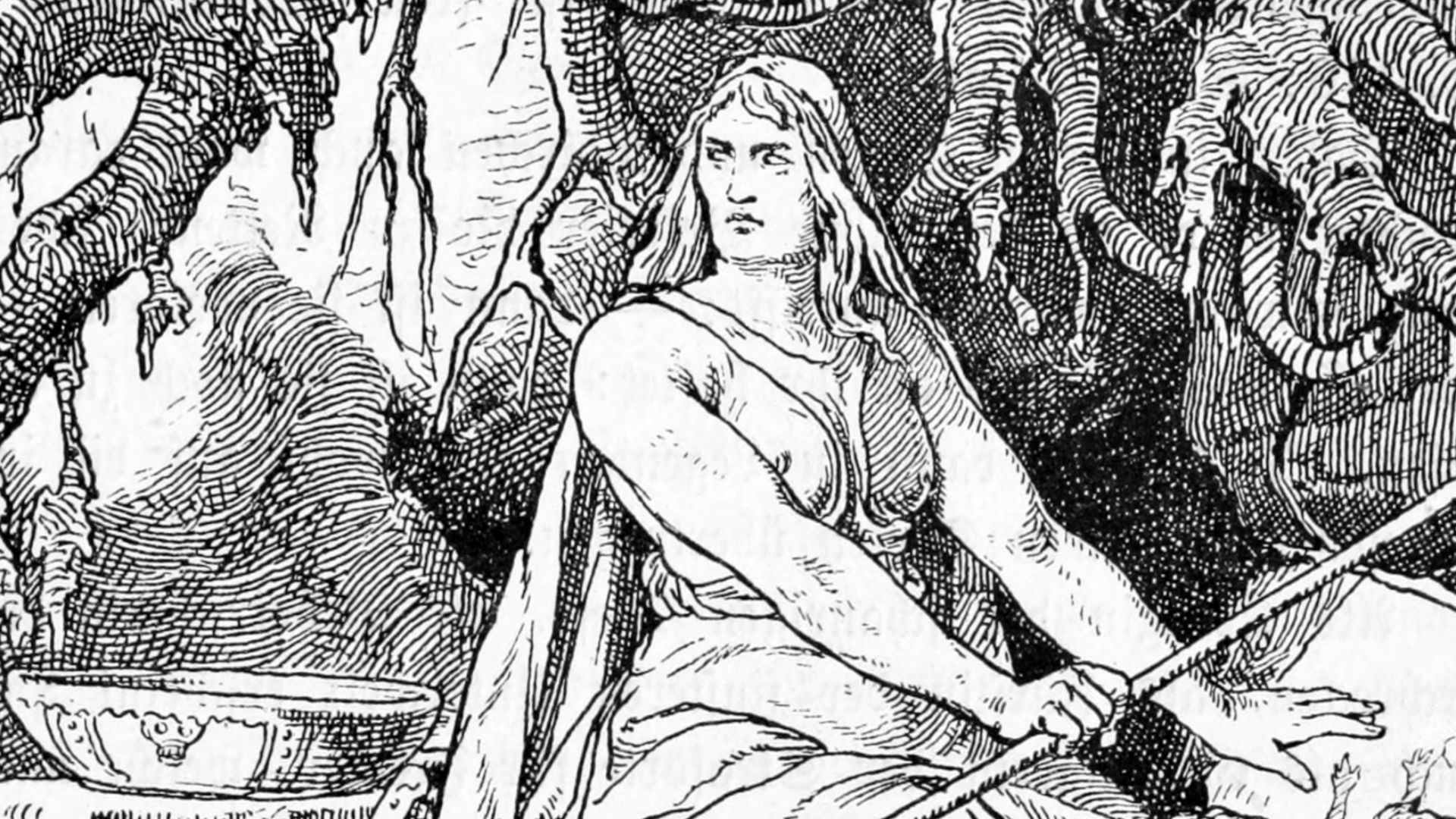
Appointed by Odin, Hel is the goddess of the underworld, or Niflheim. Hel did not take slain soldiers, as their place was with Odin in Valhalla, but instead took murderers, adulterers, perjurers, and those who never died a warrior's death. It’s also said that Hel is the daughter of Loki and the giantess Angrboða, Loki’s first wife.
KEEP ON READING
20 Greek Gods We Don't Often Talk About
Step Aside, Zeus. Greek mythology isn’t only about Zeus and…
By Elizabeth Graham Jan 16, 2026
10 Historic Courtship Practices That Should Be Brought Back &…
Old-School Dating Was a Mix of Charming & Unhinged. Historic…
By Emilie Richardson-Dupuis Jan 20, 2026
Pooches Of The Past: Extinct Dog Breeds
Unknown authorUnknown author on WikimediaDogs have been showing up in…
By Elizabeth Graham Jan 27, 2026
The 20 Craziest Silent Films Ever Made
When Silence Let the Madness Speak. Silent cinema didn’t just…
By Chase Wexler Jan 5, 2026
Legendary Tales: 20 Most Fascinating Mythical Creatures from Folklore
Mythological Beasts. Stories about mythical creatures endure for a simple…
By Christy Chan Jan 16, 2026
The three most expensive historical artifacts ever sold at auction
Attributed to Leonardo da Vinci on WikimediaAuctions are where history…
By Emilie Richardson-Dupuis Jan 9, 2026