

The 20 Most Innovative Military Leaders In History
The People Who Took Down Armies With Their Ideas
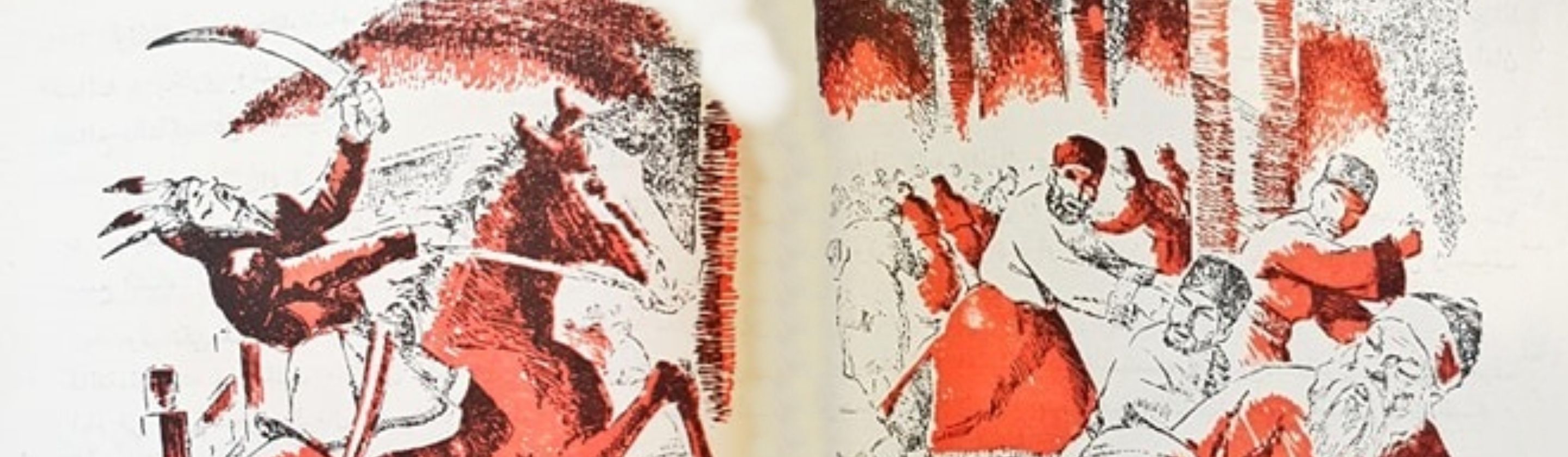
Warfare has always been a brutal test of will and strength, but it's also a testament to human ingenuity. An army is only as great as its commander, and a commander is only as great as their ideas. From ancient days of cavalry warfare to modern Blitzkriegs, it wasn't just brute strength that won the battle, but the ability to think outside the box. Here are 20 military leaders and strategists who not only excelled at the game of war but rewrote the rules entirely.
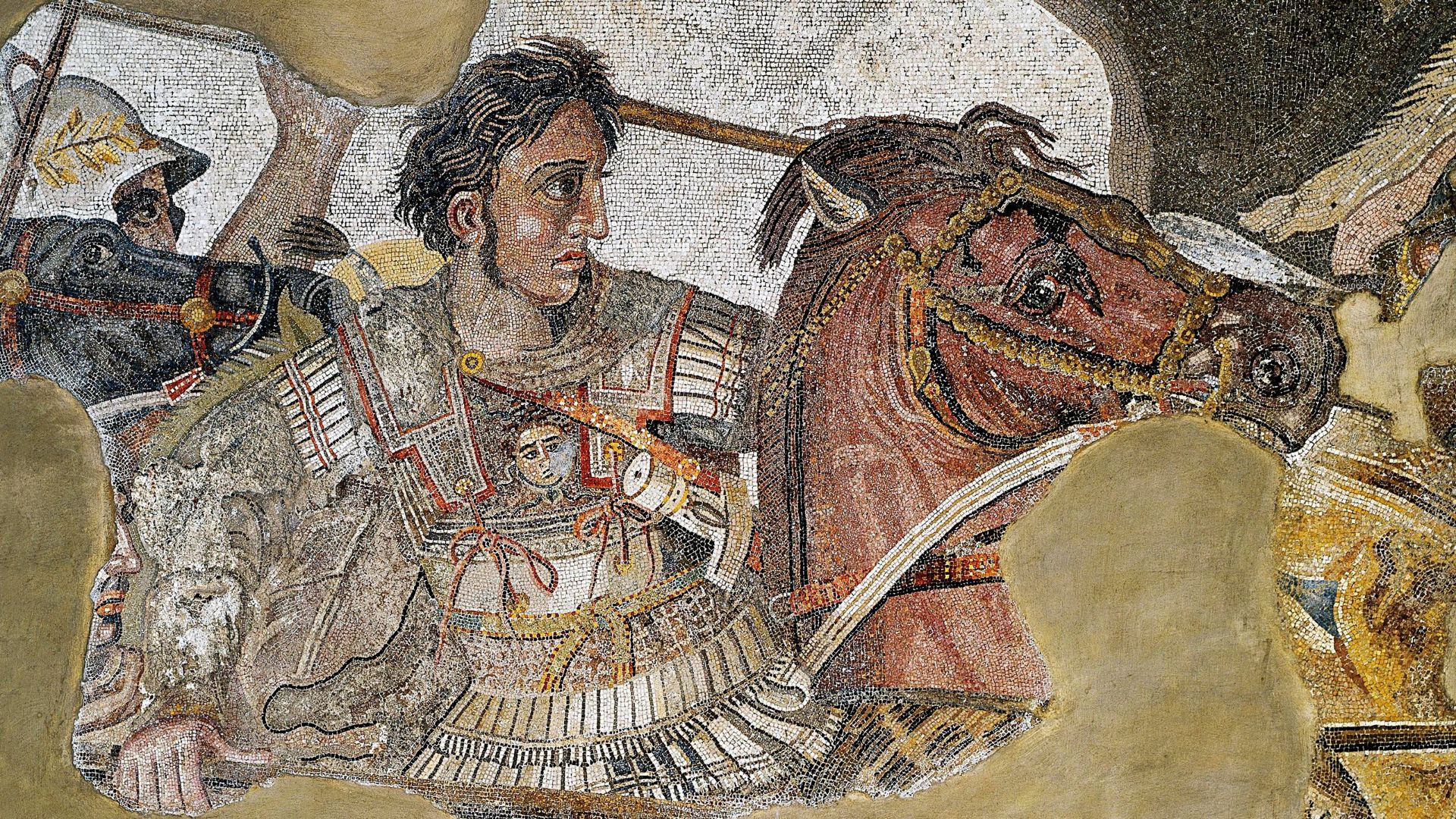
1. Alexander the Great
Alexander the Great was king of Macedonia and one of the most successful military commanders of all time. He perfected combined arms warfare and developed the Macedonian phalanx, a tightly packed infantry formation armed with spears, completely revolutionizing warfare.
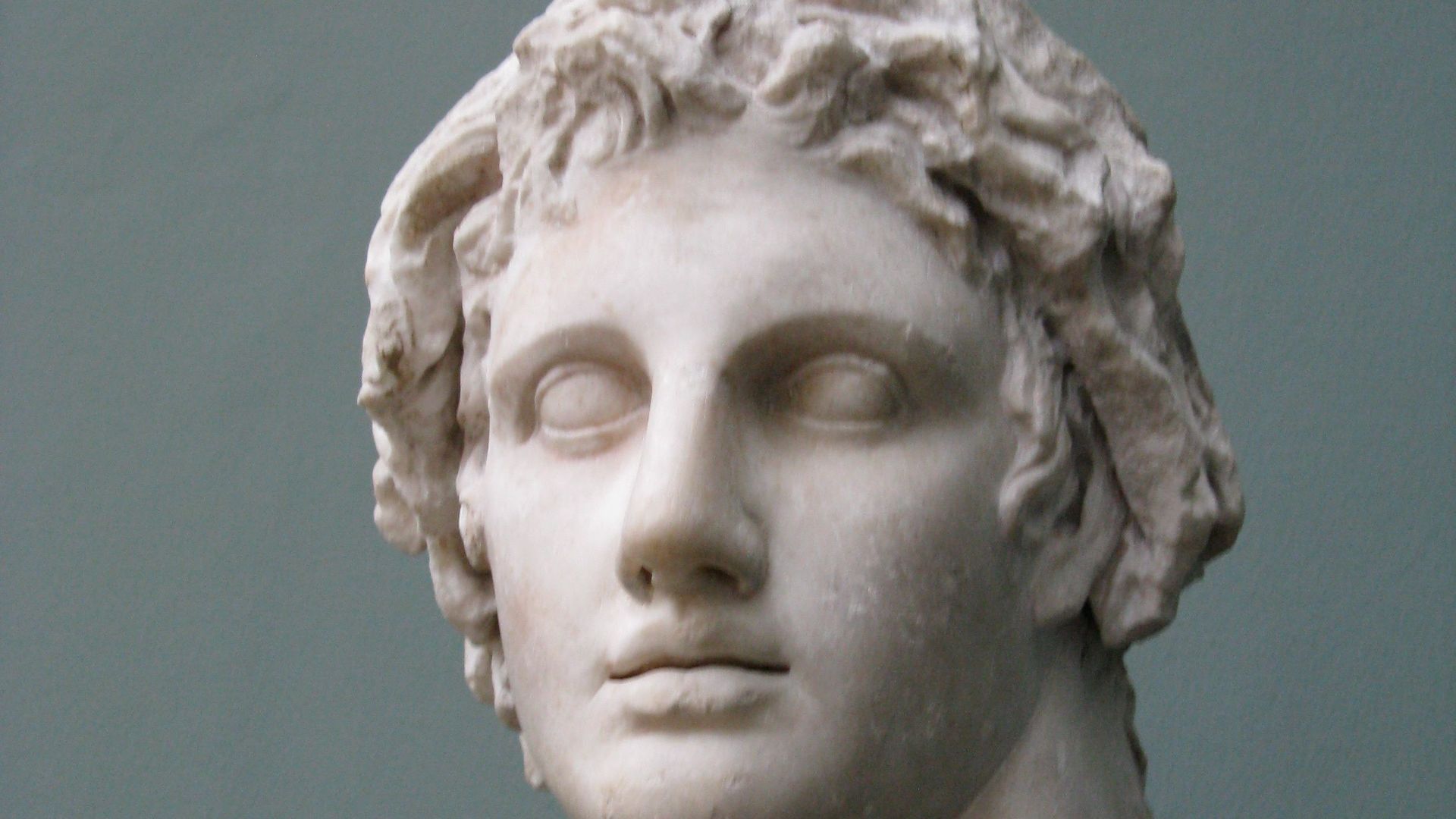
2. Genghis Khan
Genghis Khan transformed his nomadic tribesmen into the most feared army the world had ever seen. His forces were built on highly trained horse archers who could strike with tremendous speed and agility, especially compared to the slow, heavily armored rival armies of the time.
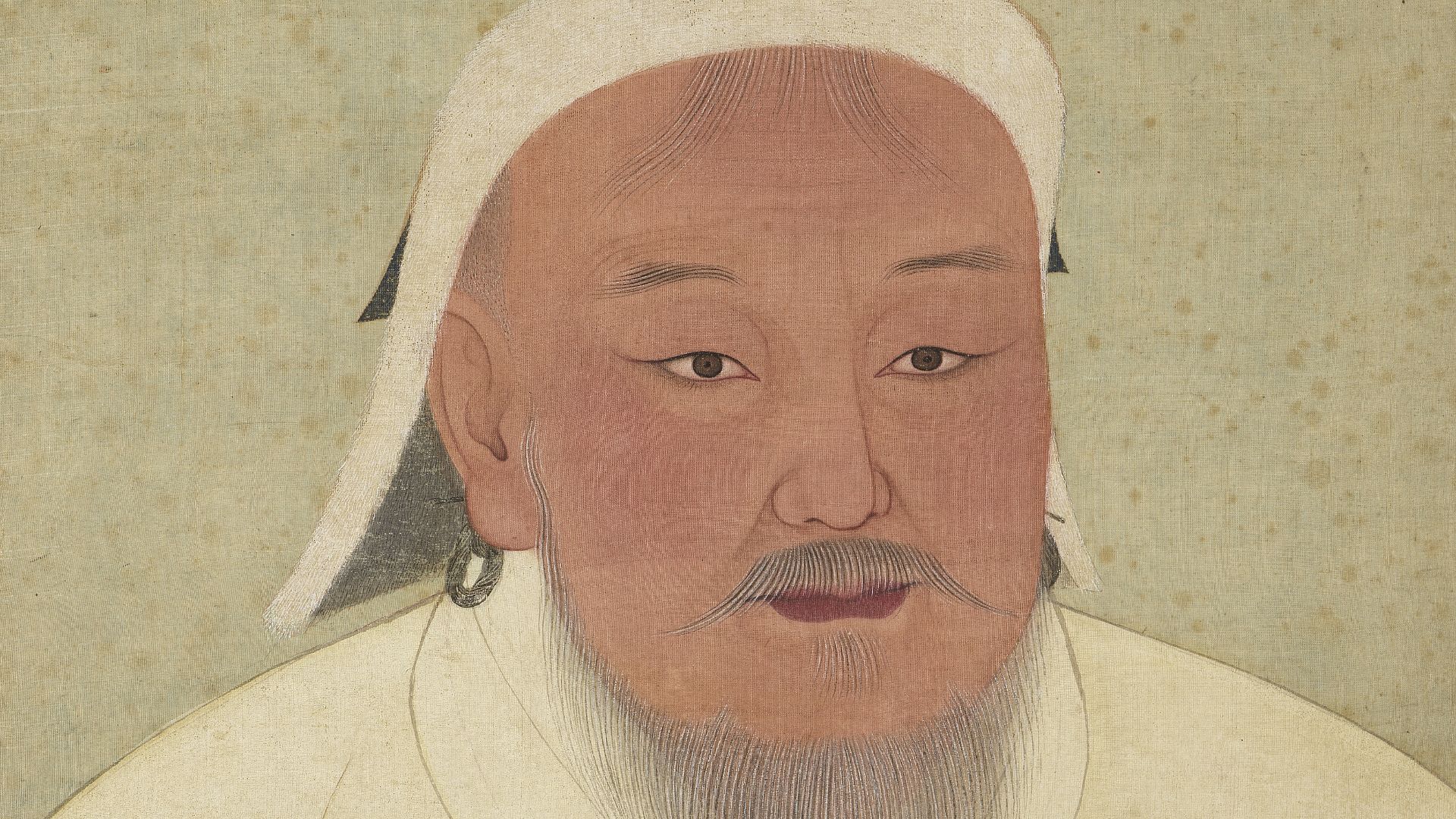
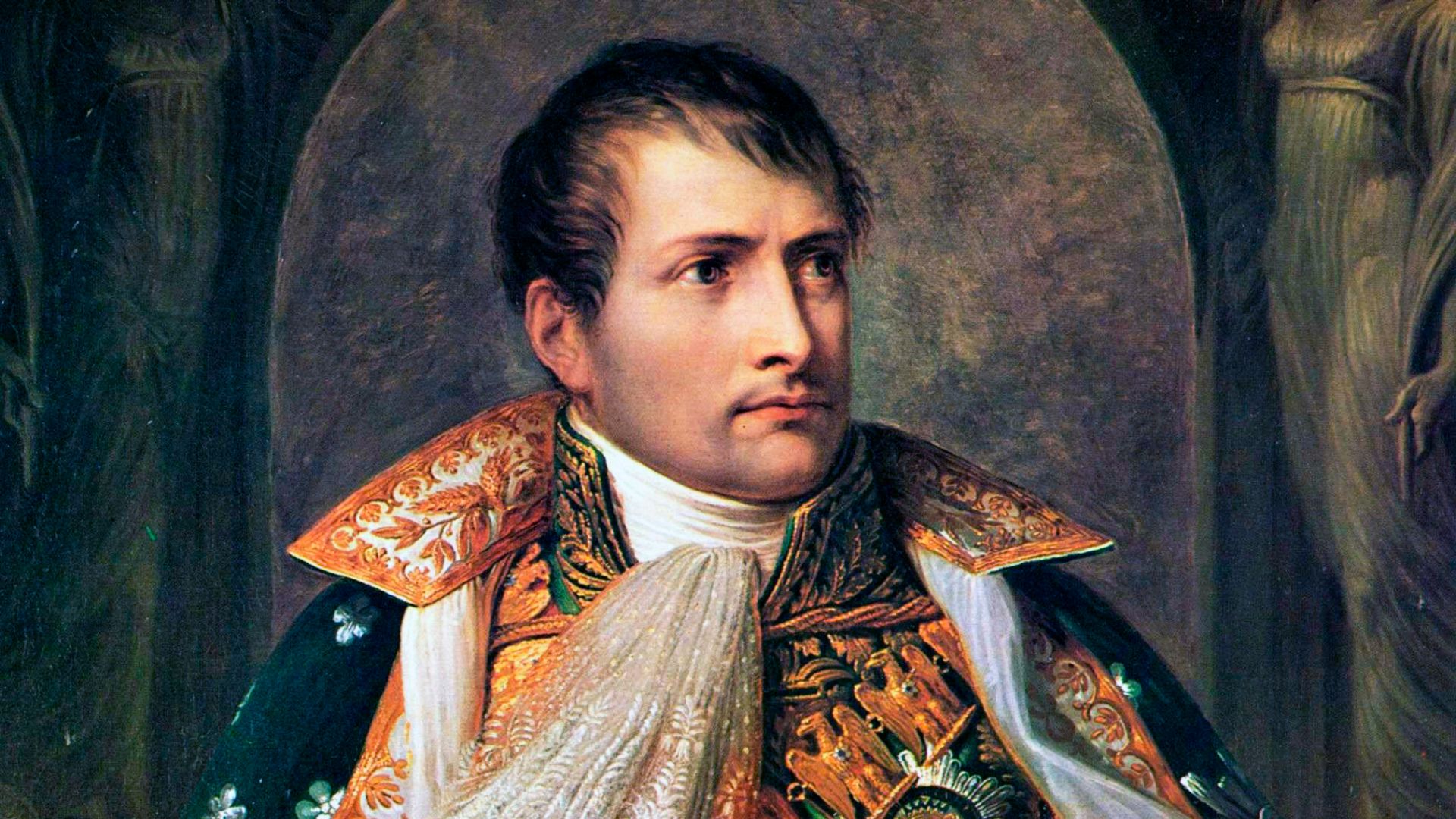
3. Napoleon Bonaparte
Napoleon Bonaparte turned France into a large, albeit briefly-lived empire, thanks to his innovative thinking. He popularized mass conscription, combined arms tactics, and reorganized the army into semi-independent units called corps, which enabled them to attack with much greater agility.
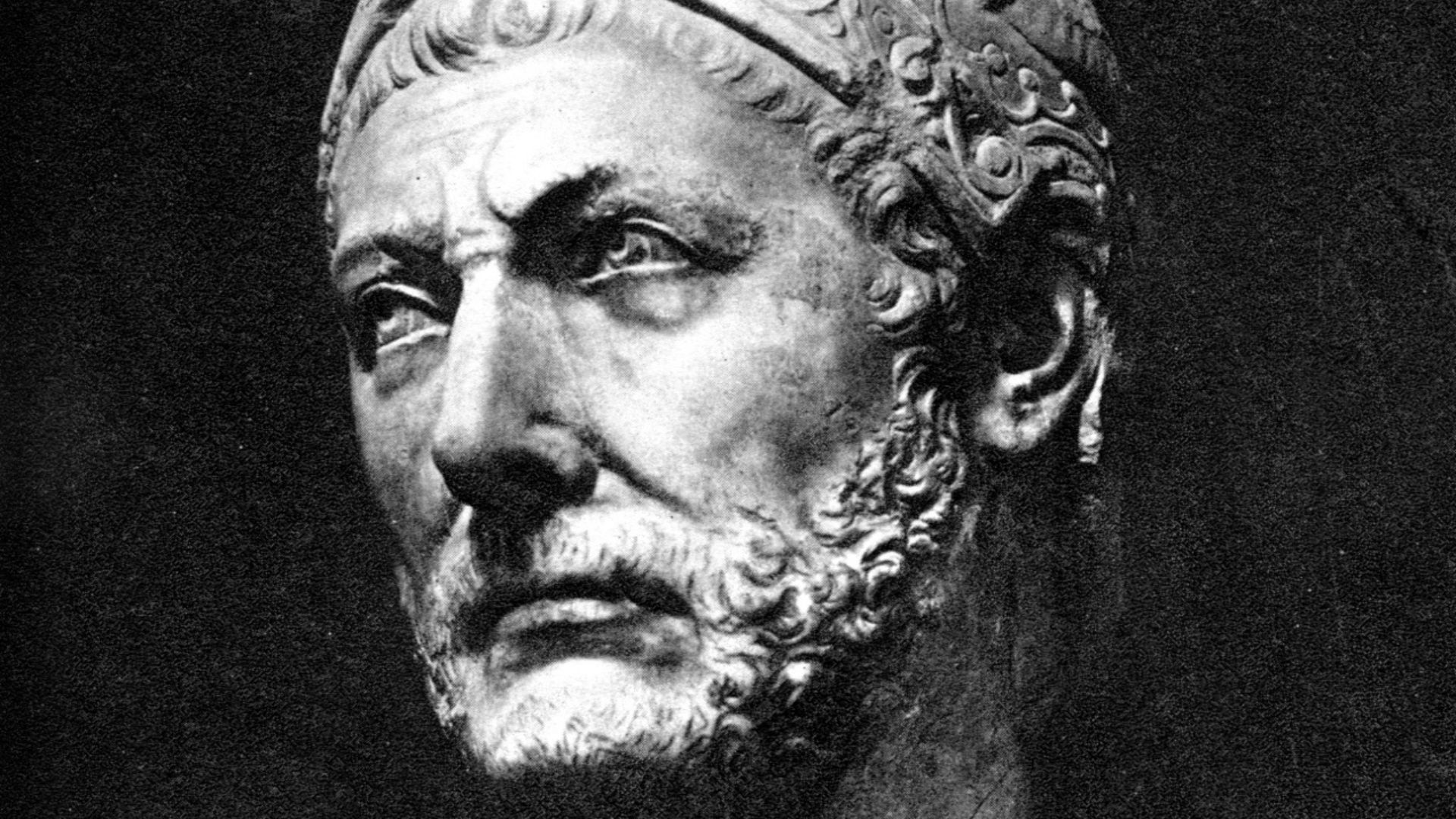
4. Hannibal Barca
Carthaginian general Hannibal Barca became the stuff of legends when he marched across the Alps with war elephants, surprising Roman forces. He was such a tactical genius that some of his battles are still being studied by military academies today.
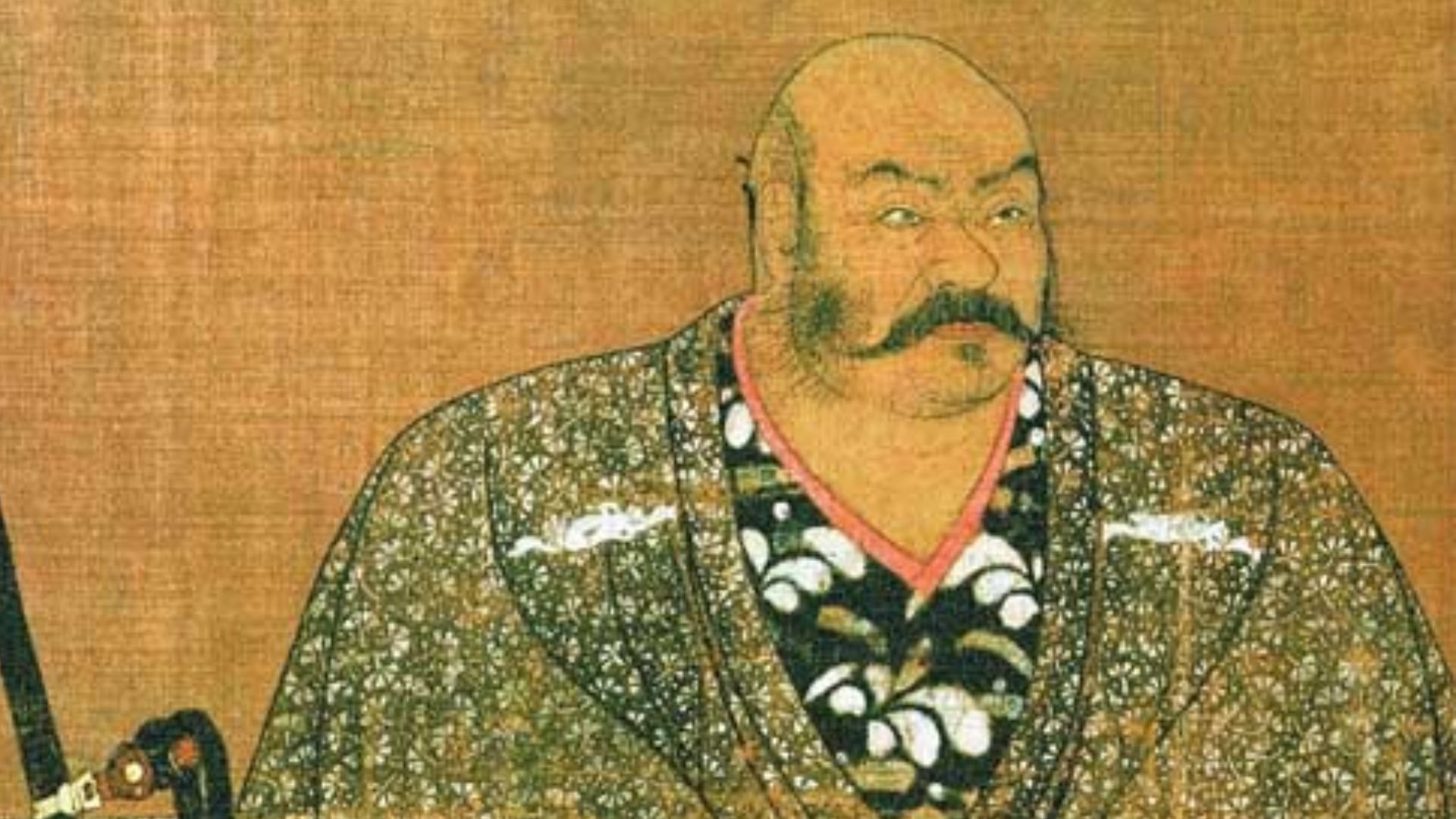
5. Takeda Shingen
Takeda Shingen was a samurai general in 16th-century Japan, renowned for his brilliant strategic mind. He perfected the use of the cavalry charge, which gave his army a huge leg-up when it came to agility and striking force.
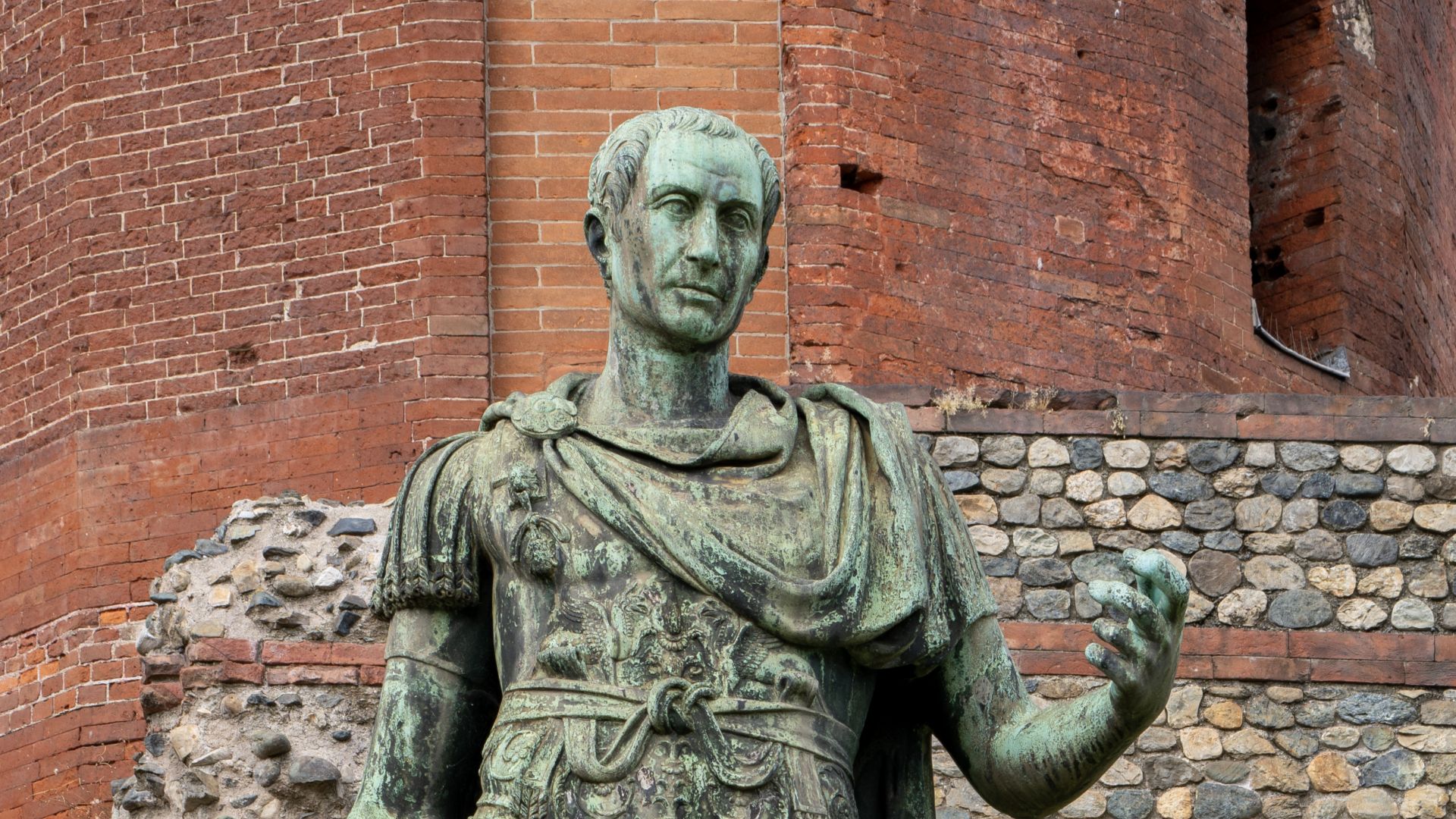
6. Julius Caesar
Julius Caesar, arguably Rome's greatest general, led campaigns that drastically expanded the empire. He perfected the use of surprise attacks and flexible troop formations, which allowed his army to quickly adapt to changing conditions.
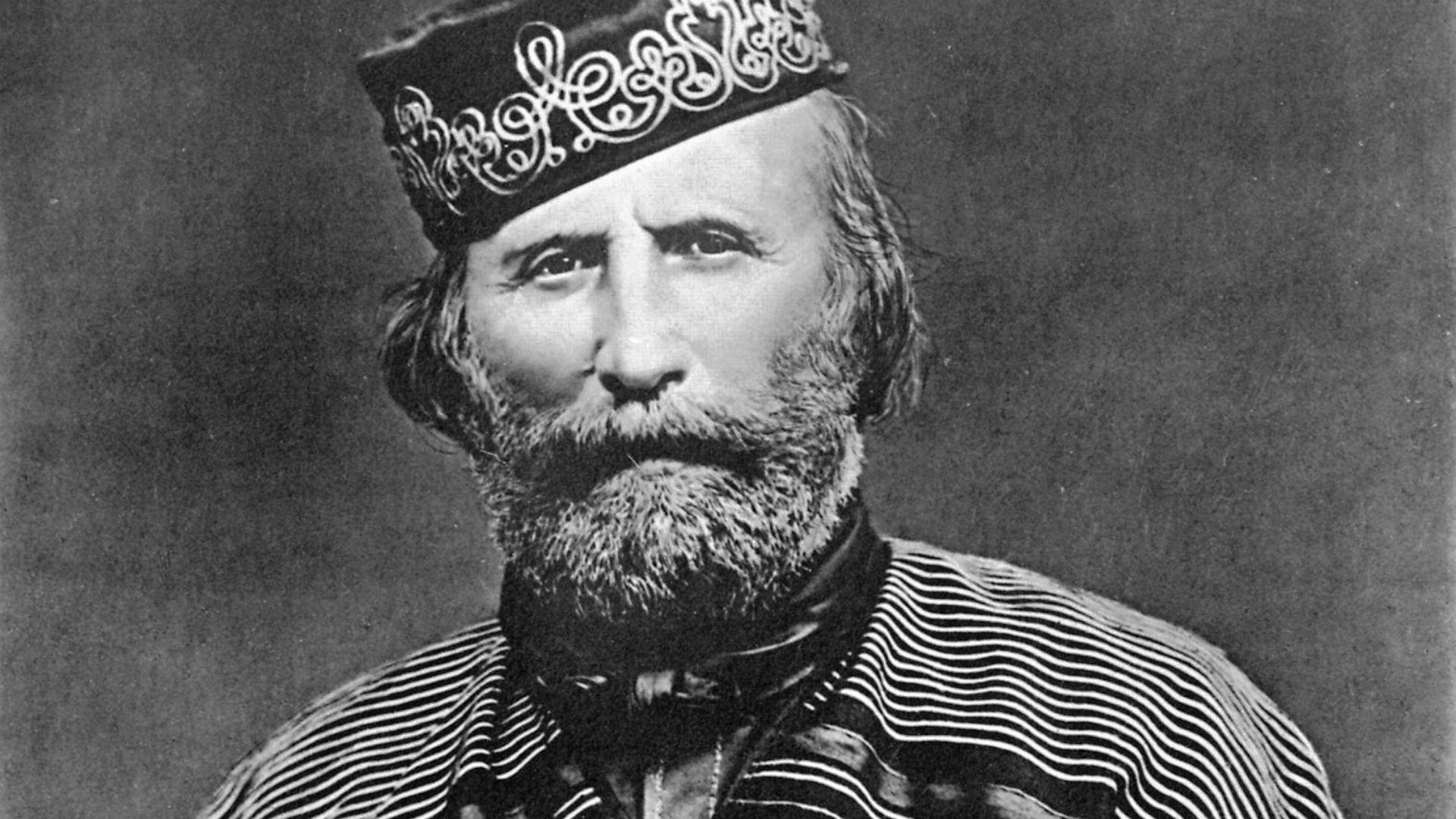
7. Giuseppe Garibaldi
Giuseppe Garibaldi, one of the most important figures of the Italian unification, led a series of successful campaigns in both South America and Italy. His innovative use of guerrilla warfare, bold, decisive attacks, and incredible charisma allowed him to win battles with even the most ill-equipped volunteer armies.
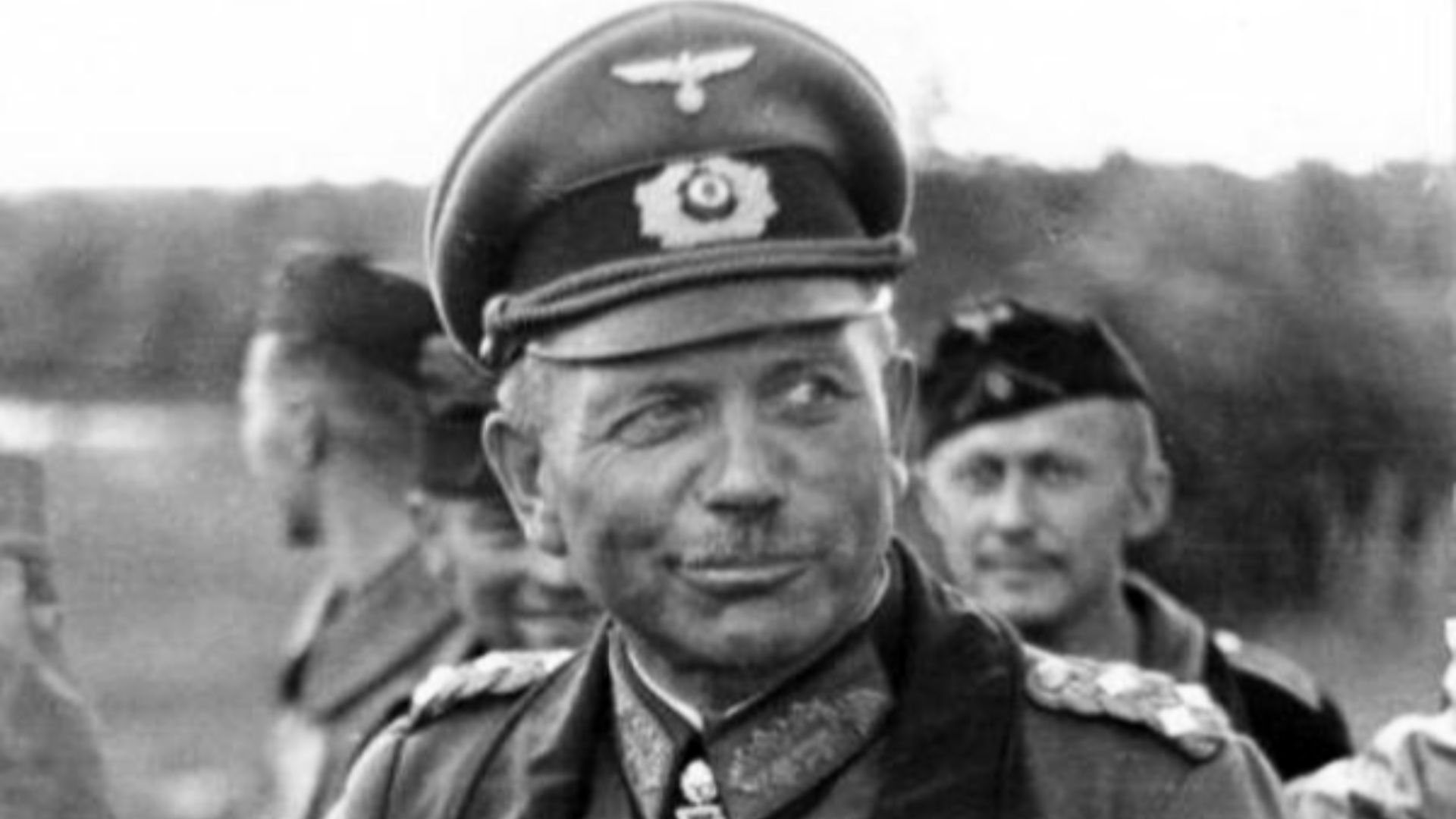
8. Heinz Guderian
German general Heinz Guderian is often considered the "father of the Blitzkrieg" because of his emphasis on speed and coordination. He developed a type of warfare that combined tanks, infantry, and artillery into highly mobile units that could strike through enemy lines with extraordinary efficiency.
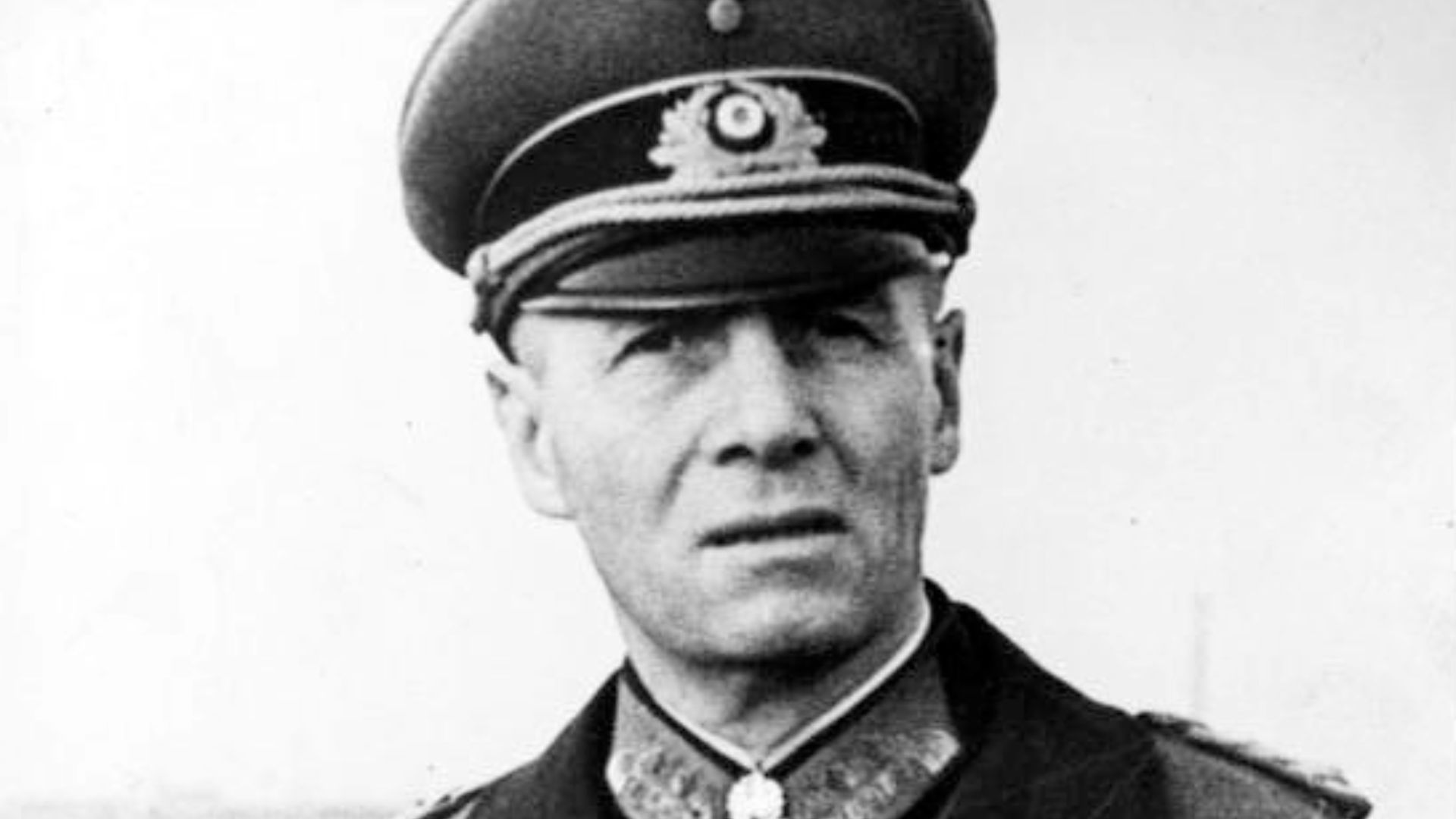
9. Erwin Rommel
Erwin Rommel, nicknamed the "Desert Fox," was one of the Nazis' most prized generals. He was known for his bold and daring, fast-paced attacks over varied terrains and his hands-on leadership approach, especially leading the Afrika Korps in Northern Africa.
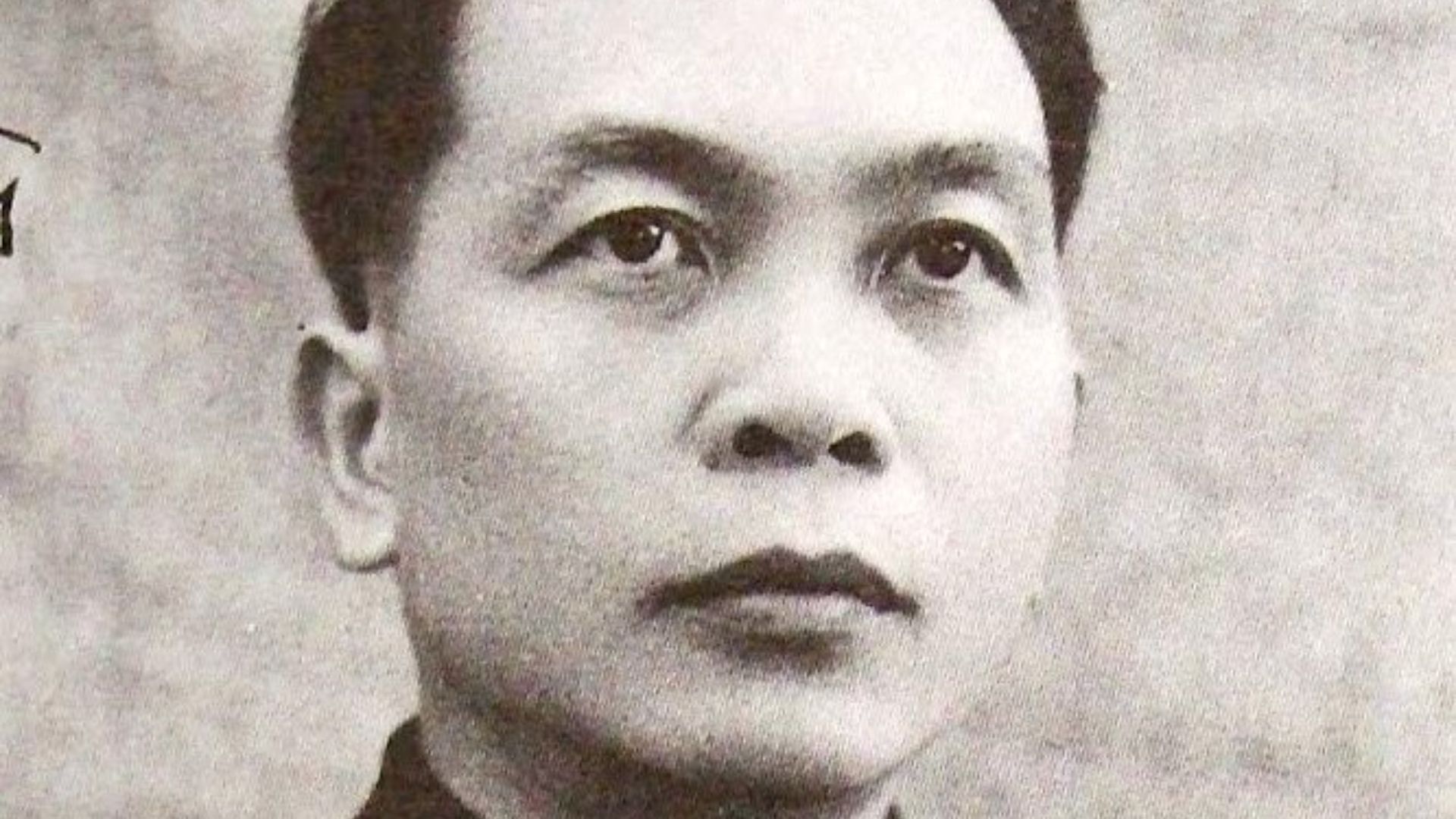
10. Vo Nguyen Giap
Vo Nguyen Giap, nicknamed "Red Napoleon," was one of Vietnam's most effective commanders. He creatively combined guerrilla warfare tactics with conventional strategy to stun and beat much more numerous and powerful forces.
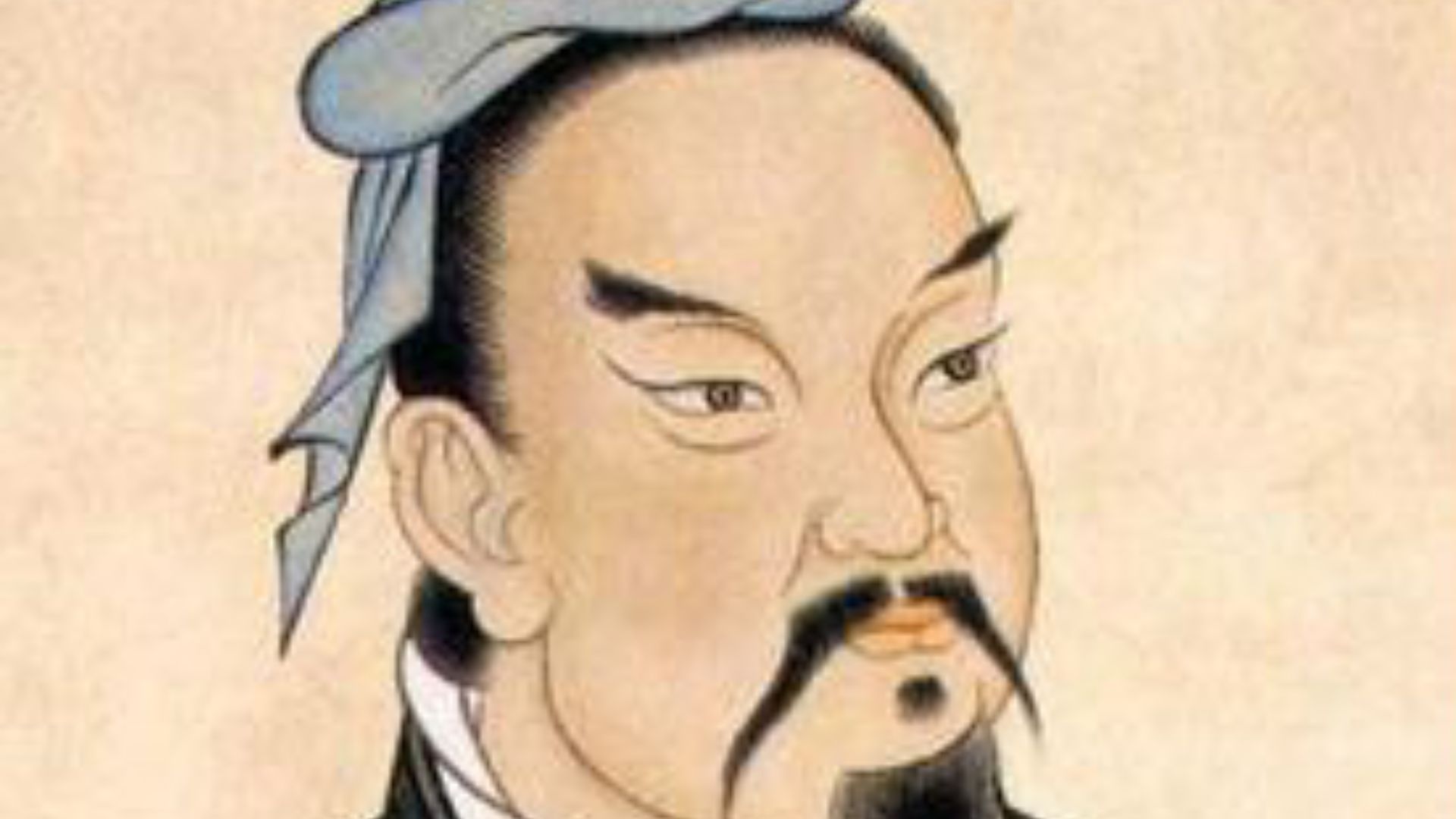
11. Sun Tzu
Sun Tzu was the Chinese military strategist who wrote the military treatise The Art of War. He emphasised the use of deception and intelligence to outwit opponents rather than brute force and sheer power. His writings have shaped military and business strategies for centuries.
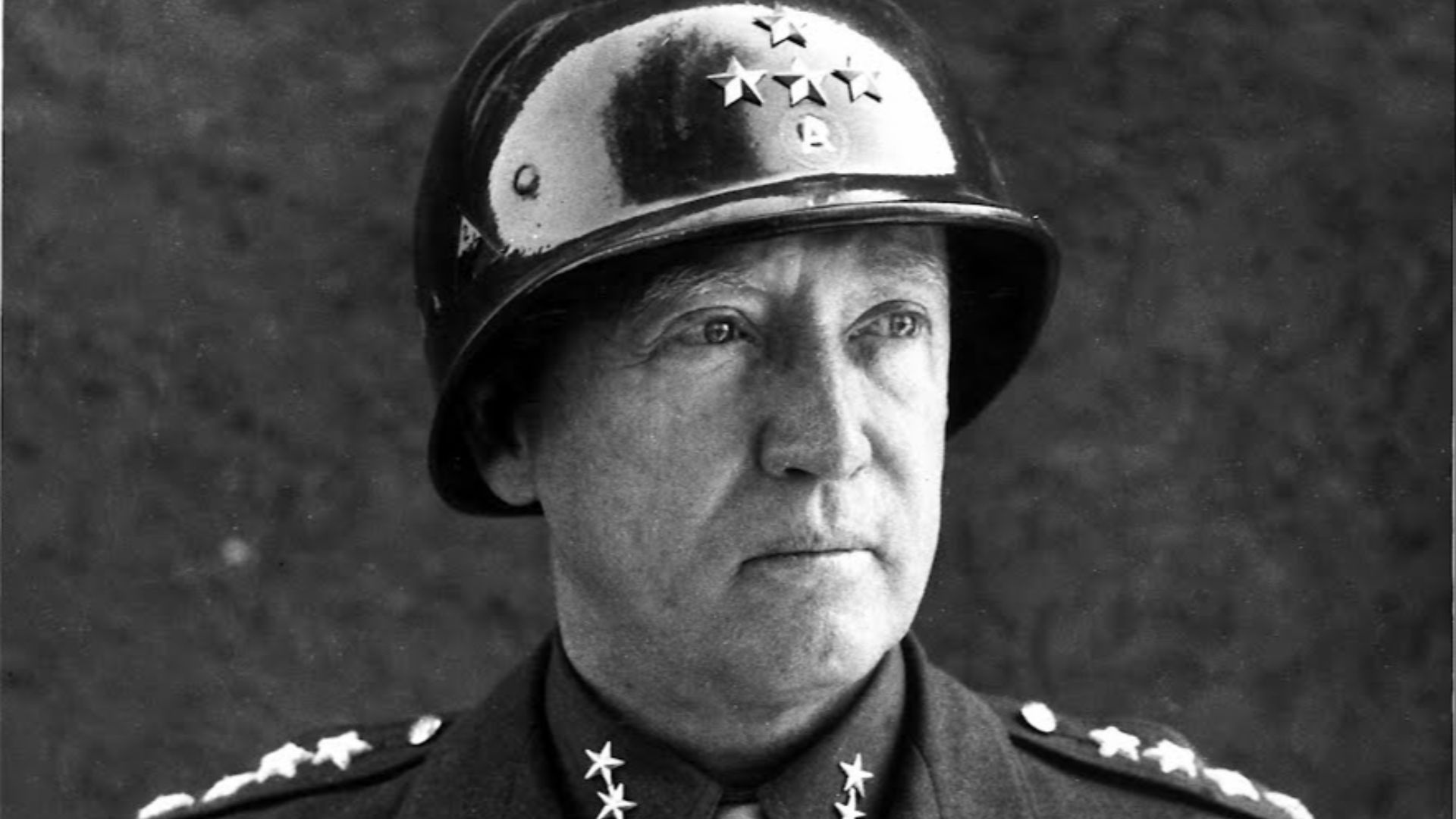
12. General George S. Patton
George S. Patton was one of the most innovative, albeit controversial, American generals of all time. His aggressive tactics and rapid, decisive movements set him apart from other generals and were instrumental in securing an Allied WWII victory.
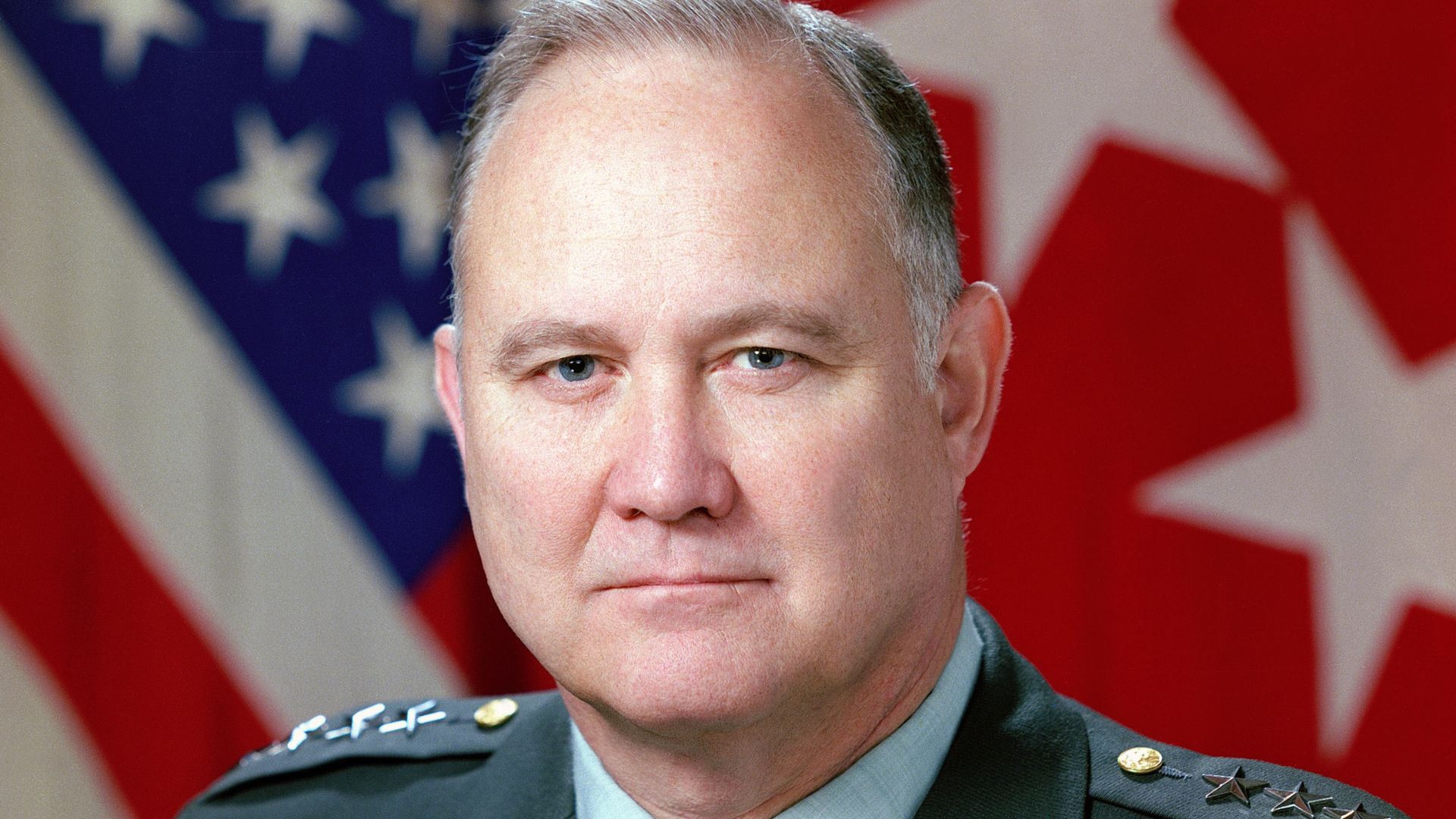
13. General Norman Schwarzkopf
General Norman Schwarzkopf was an American commander during the Gulf War. He was the mastermind behind Operation Desert Storm, where he combined an aggressive air assault with a ground offensive, completely overwhelming Saddam Hussein’s forces and successfully liberating Kuwait.
14. Belisarius
One of the most ingenious commanders of the Byzantine Empire, Belisarius is most famous for leading the reconquest campaigns, which saw swathes of the old Roman Empire restored. He used mobile cavalry, deception, speed, surprise attacks, and psychological warfare to defeat stronger enemies.
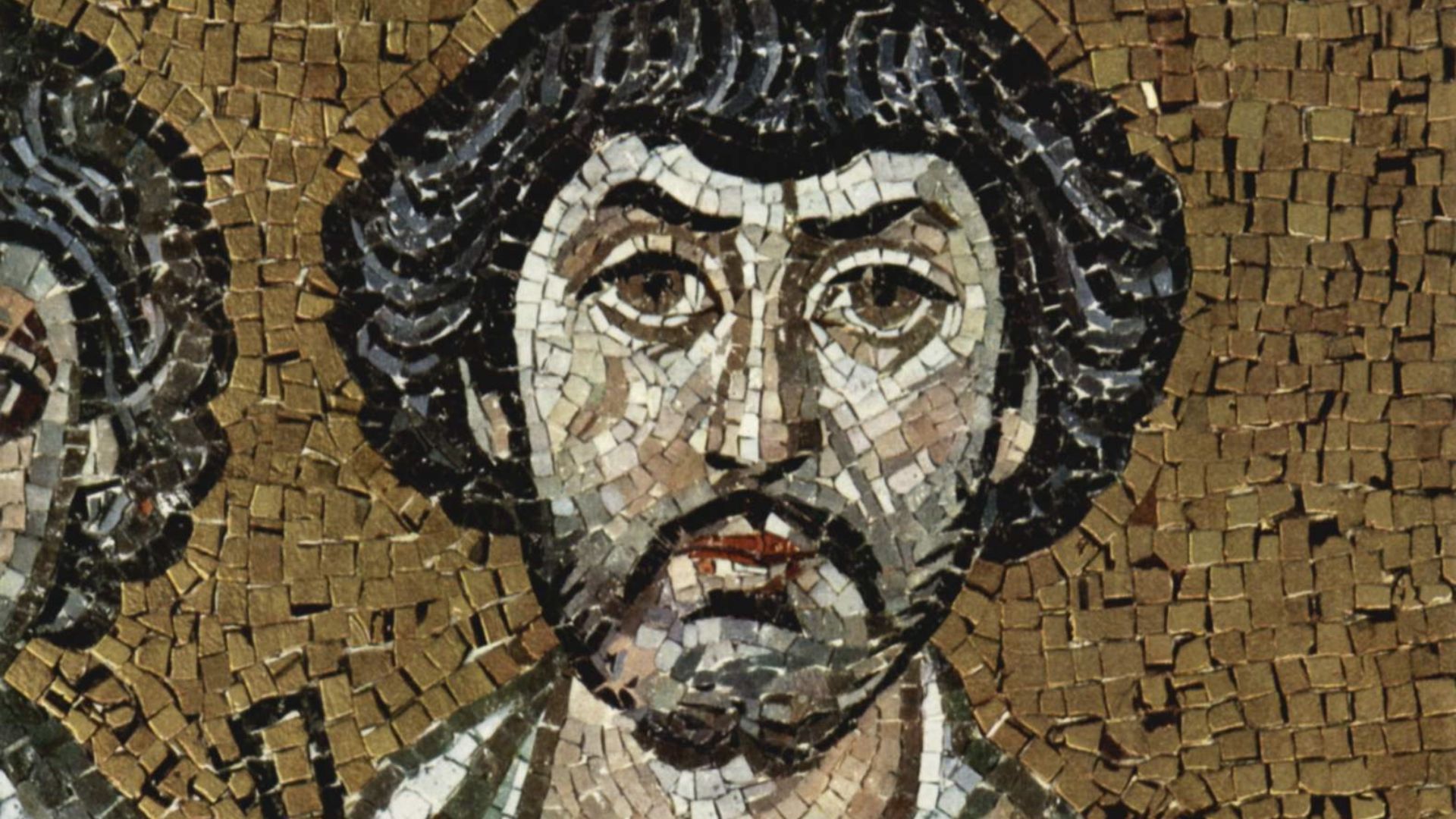 Meister von San Vitale in Ravenna on Wikimedia
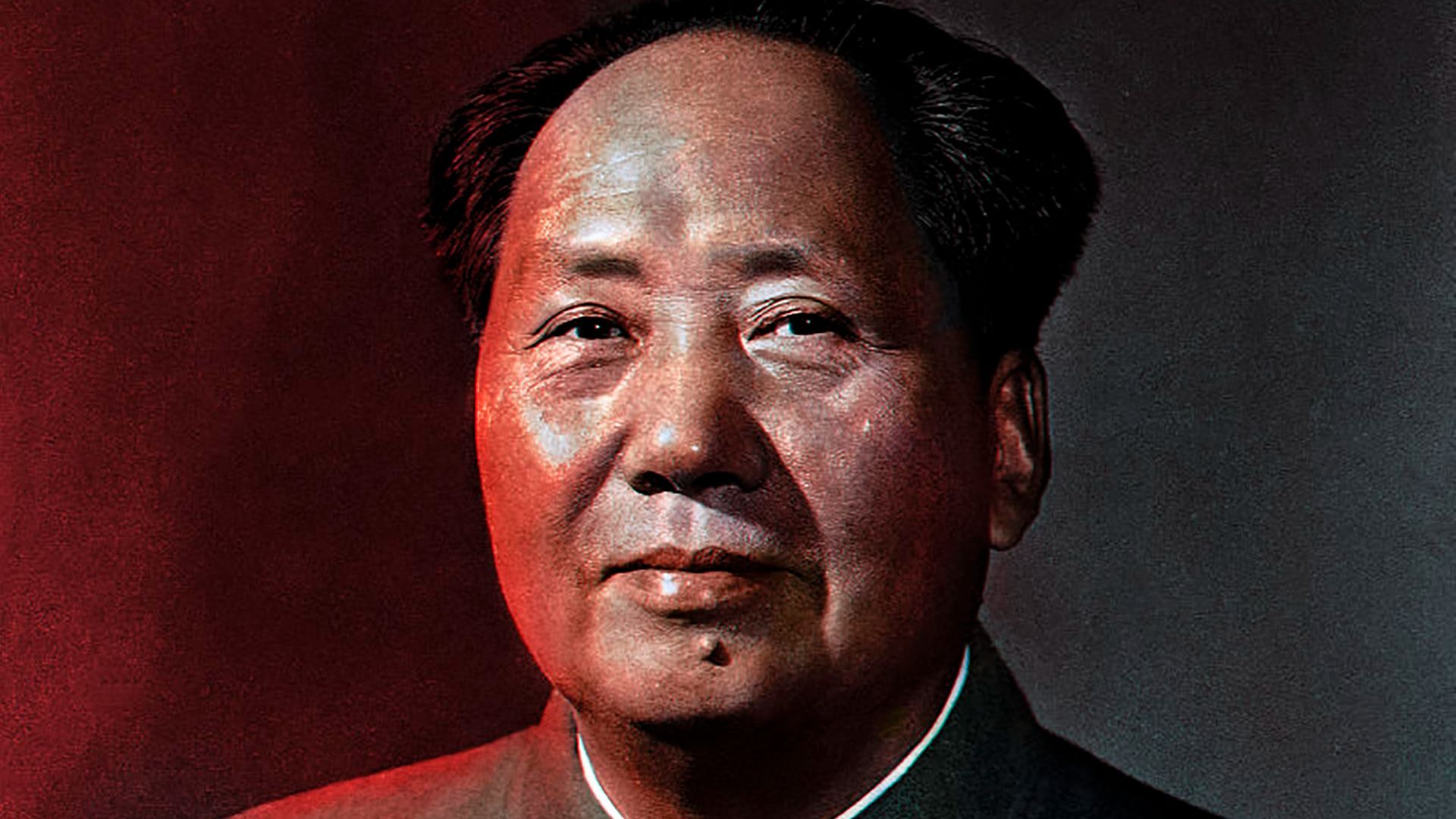
15. Mao Zedong
Mao Zedong, founder of the People’s Republic of China, created a strategy called the People's War, which emphasized speed, mobility, hit-and-run tactics, and ambushes. His writings outlining his military strategy influenced subsequent revolutionary movements.
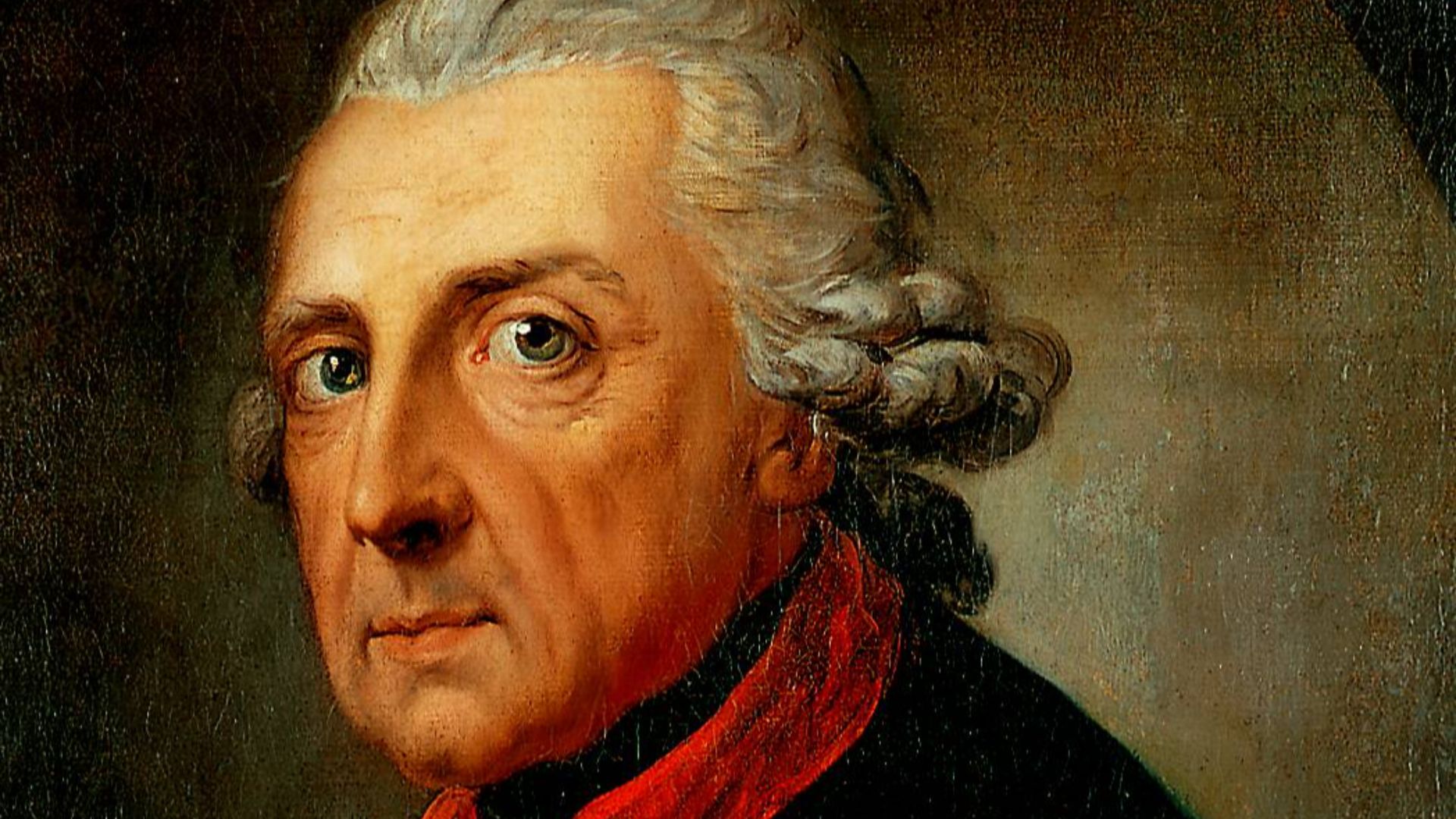
16. Frederick the Great
Frederick the Great's military acumen transformed Prussia into a great European power. His use of oblique order, a tactic where he would concentrate his forces on the enemy's weakest side, allowed his small army to defeat much larger and more powerful opponents.
17. Maurice of Nassau
Maurice of Nassau was a Dutch commander in the 16th century who revived and modernized Roman military strategies. He organized troops into smaller, more mobile units, pioneered the use of military formations that placed soldiers in long lines as opposed to squares, and perfected siege warfare.
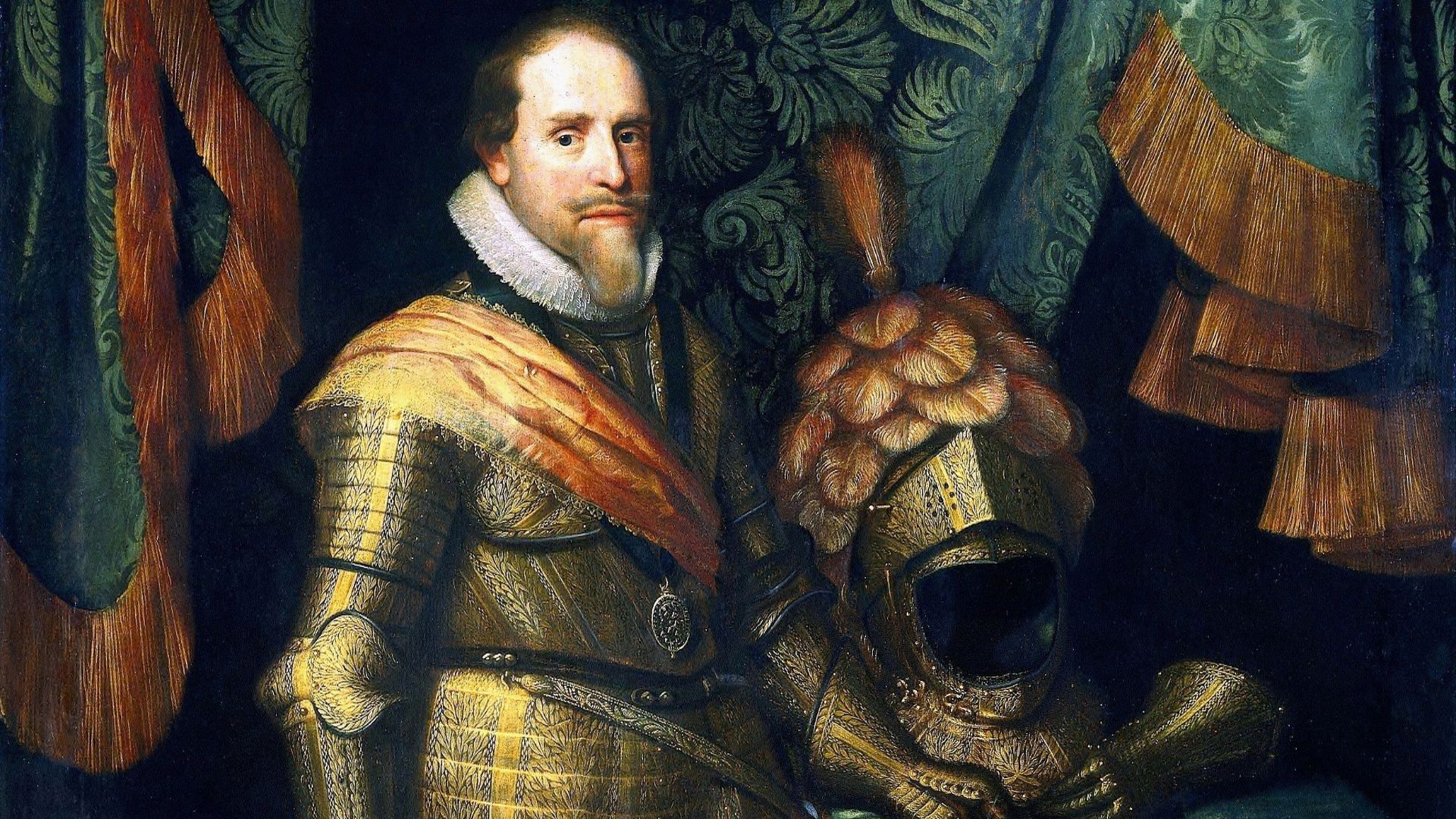 Michiel Jansz. van Mierevelt on Wikimedia
18. Subutai
Subutai was Genghis Khan's right-hand man. He revolutionized warfare with his coordination tactics, which allowed him to command huge armies hundreds of miles apart. His integration of new technologies coupled with the Mongol's infamous archer cavalry units allowed him to capture vast lands.
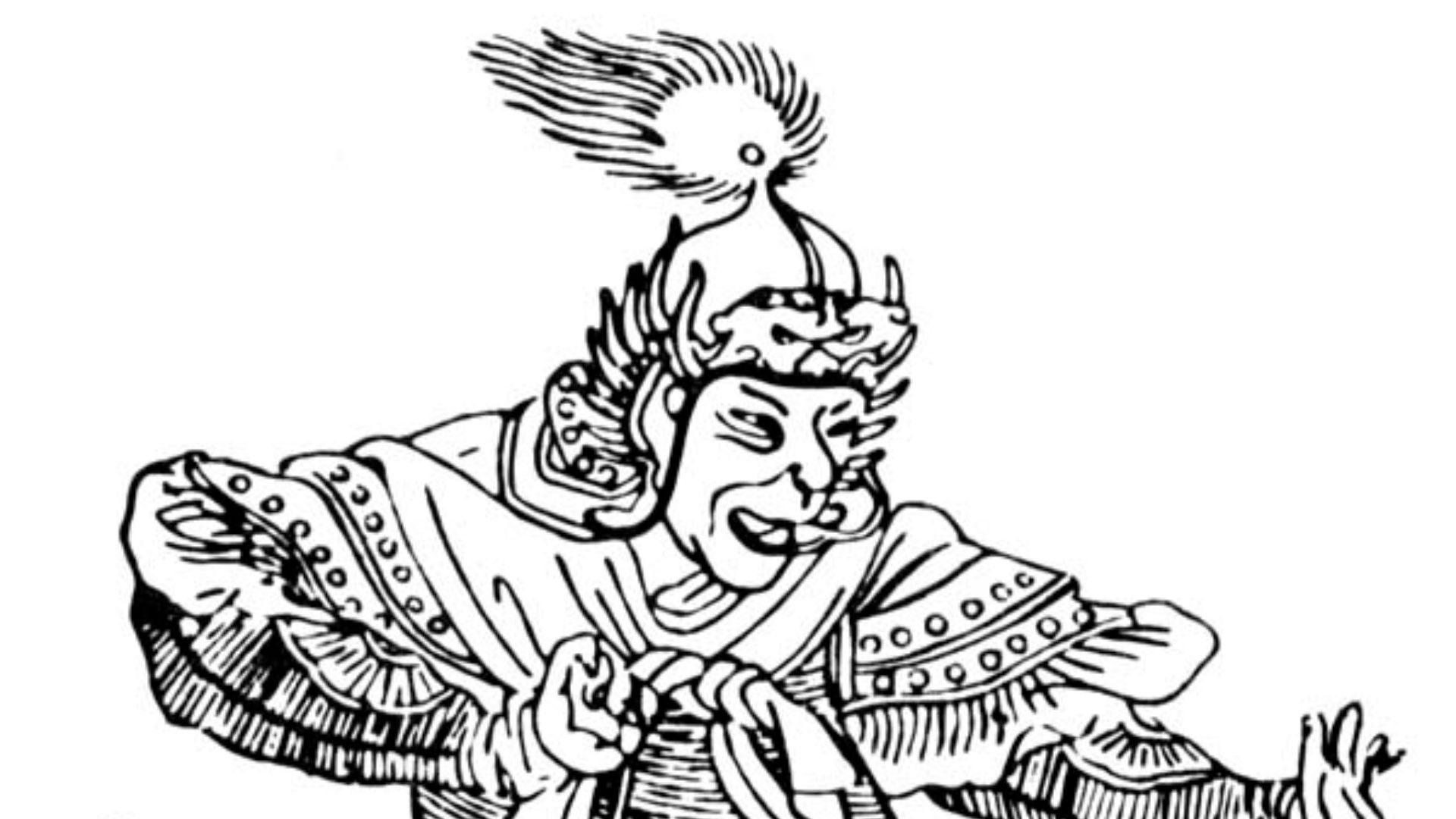 неизвестен/unknown on Wikimedia
19. Vauban
A French military officer and engineer, Vauban developed new strategies for siege warfare and defence. His designs for fortifications became the model across Europe and beyond for centuries.
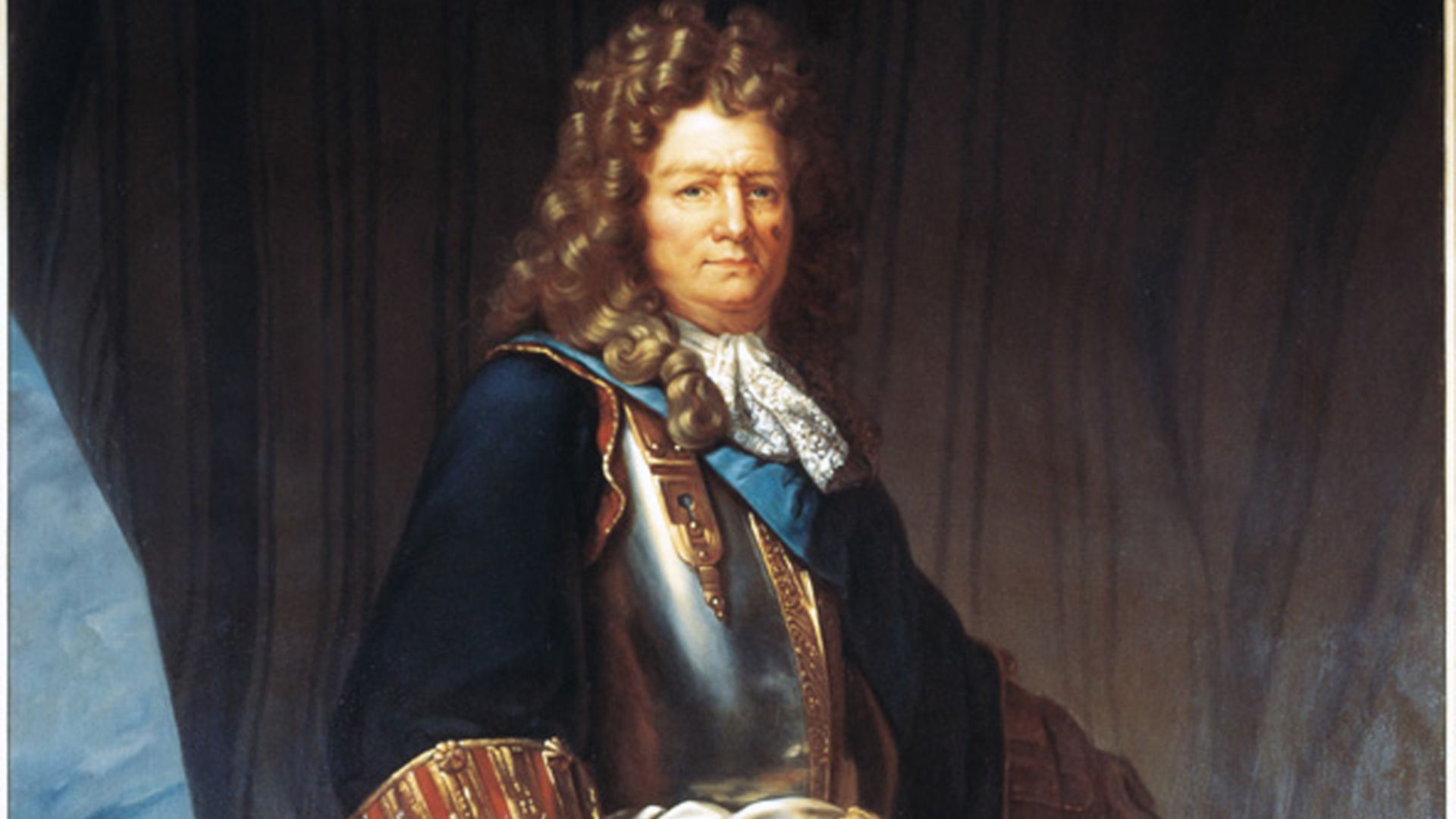 Charles-Philippe Larivière on Wikimedia
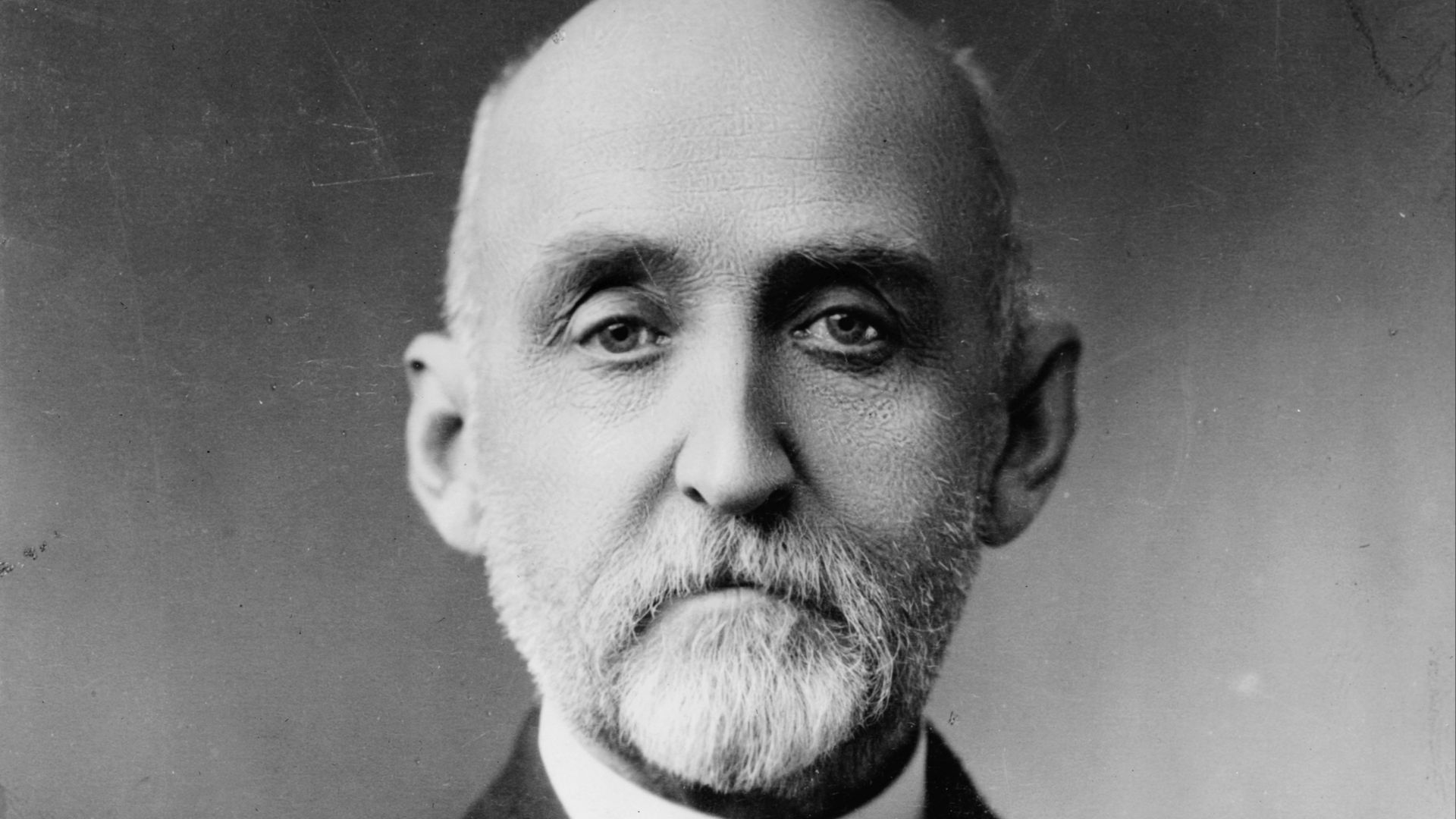
20. Alfred Thayer Mahan
Alfred Thayer Mahan was a US naval officer and military theorist known for arguing that a nation's power depends on the power of its fleets and maritime strongholds. His ideas completely changed military thinking and formed the basis for the maritime strategies of several countries.
KEEP ON READING
20 Powerful Ancient Egyptian Gods That Were Worshipped
Unique Religious Figures in Ancient Egypt. While most people are…
By Cathy Liu Nov 27, 2024
The 10 Scariest Dinosaurs From The Mesozoic Era & The…
The Largest Creatures To Roam The Earth. It can be…
By Cathy Liu Nov 28, 2024
The 20 Most Stunning Ancient Greek Landmarks
Ancient Greek Sites To Witness With Your Own Eyes. For…
By Cathy Liu Dec 2, 2024
10 Historical Villains Who Weren't THAT Bad
Sometimes people end up getting a worse reputation than they…
By Robbie Woods Dec 3, 2024
One Tiny Mistake Exposed A $3 Billion Heist
While still in college, Jimmy Zhong discovered a loophole that…
By Robbie Woods Dec 3, 2024
30 Lost Treasures That Vanished From History
Buried treasure, missing artefacts, legends of ancient gold in them…
By Robbie Woods Dec 3, 2024