

I Financially Supported My Family for 10 Years, Then I Discovered They Used My Money to Fund My Sister's Engagement to My Cheating Ex
I Financially Supported My Family for 10 Years, Then I Discovered They Used My Money to Fund My Sister's Engagement to My Cheating Ex
The Provider
I've been the financial backbone of my family for ten years now, and for most of that time, I told myself it was exactly what I wanted. I'm a financial analyst — numbers are my language — so when my parents started struggling and my siblings needed help, it felt natural to step in. Logical, even. I was the oldest, I had the income, and I had the skills to manage it all without letting things spiral. So I did. Every month, without fail, I sat down at my kitchen table with my laptop and my spreadsheets and I moved money where it needed to go. Mortgage assistance for my parents. Tuition installments for my younger brother Liam. Seed funding for my sister Emily's business. Grocery top-ups when things got tight. I kept a running ledger — not because I expected to be paid back, but because I'm wired that way. Tracking gave me a sense of control, and control gave me peace. Some people collect art or travel the world. I built a safety net for the people I loved most. That night, like every other first of the month, I sat alone in my apartment with the transfer confirmations open on my screen, the city quiet outside my window, and felt the particular stillness that comes from knowing the people you love are taken care of.
 Image by RM AI
Early Retirement
Three years ago, my parents called me on a Sunday afternoon and I could hear the strain in my mother's voice before she even finished saying hello. The mortgage payments had become unmanageable — my father's hours had been cut, and the numbers simply didn't work anymore. I spent the following two weeks pulling apart their finances, running projections, talking to their lender. By the end of it, I had a plan: I would refinance and take over the payments entirely. It wasn't a small decision. It meant restructuring my own budget in ways that would take years to feel normal again. But when I sat across from them at their kitchen table and slid the signed transfer paperwork across to my mother, the look on her face made the math feel irrelevant. My father reached over and put his hand on mine, and his eyes were wet. He said, "You didn't have to do this, sweetheart." My mother was already crying — not the performative kind, just quiet tears she kept wiping away with the back of her hand. She told me I had given them their lives back. That they could breathe again. I drove home that evening with the windows down, the spring air coming through, and I remember thinking that this — this exact feeling — was what all those long hours at the office were actually for. Then my phone lit up on the passenger seat with a string of voice messages from both of them, their voices still thick with gratitude, and I had to pull over just to listen.
 Image by RM AI
Tuition and Trust
Liam called me on a Tuesday morning, two years ago, and I could tell from the first word that he'd been sitting on the problem for days before he finally picked up the phone. His financial aid package had fallen through — some administrative error that the university said would take weeks to resolve — and the tuition deadline was in four days. He was trying to sound calm but I knew my brother. I pulled up my savings account while he was still talking. The number was lower than I would have liked, but it was there. I told him I'd cover it. He went quiet for a second, and then he said, "Sarah, I — I don't know what to say." I told him he didn't have to say anything, just focus on his classes. A week later he drove up and met me at the coffee shop two blocks from my office. He showed up early, which was unusual for him, and he'd brought me a card — handwritten, three pages, front and back. He sat across from me with his hands wrapped around his mug and told me he was going to make me proud. That he understood what I'd given up to help him. I folded the card and put it in my bag and told him the only thing I wanted was to see him walk across that stage at graduation. He smiled — that wide, easy smile he's had since he was a kid — and for a moment he looked exactly like the little boy I used to help with homework. That feeling settled over me like something warm and solid, and it stayed with me the whole drive home.
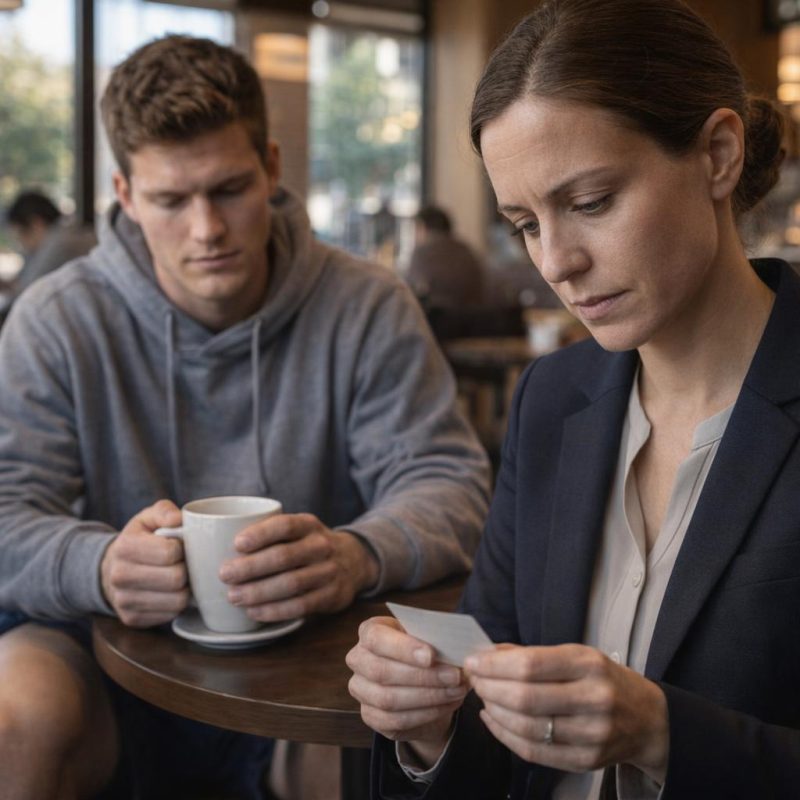 Image by RM AI
The Boutique Dream
Emily came to me eighteen months ago with a folder. An actual printed folder, tabbed and color-coded, with a business plan inside that she'd clearly spent real time on. She wanted to open a women's clothing boutique — curated pieces, local designers, a specific aesthetic she'd been developing for years on her Instagram. I sat at my dining table and read through every page while she perched on the edge of the couch across from me, watching my face. The projections were optimistic, but the concept was solid. She'd identified a retail gap, she had supplier contacts, and she'd already done preliminary research on three potential locations. I asked her hard questions — cash flow, contingency planning, break-even timeline — and she had answers for most of them. Not perfect answers, but real ones. I agreed to provide the seed funding. The day she signed the lease on her retail space, she called me from the parking lot, voice high and breathless, and asked me to come. I drove over and found her standing in front of the empty storefront, key in her hand, practically vibrating. She unlocked the door and we walked through the bare space together, her describing where everything would go, her hands moving as she talked. She pressed her forehead against the front window and looked out at the street, and the light caught her face in a way that made her look genuinely young and hopeful. I stood behind her in that empty room, and the pride I felt in that moment was as uncomplicated as anything I'd felt in years.
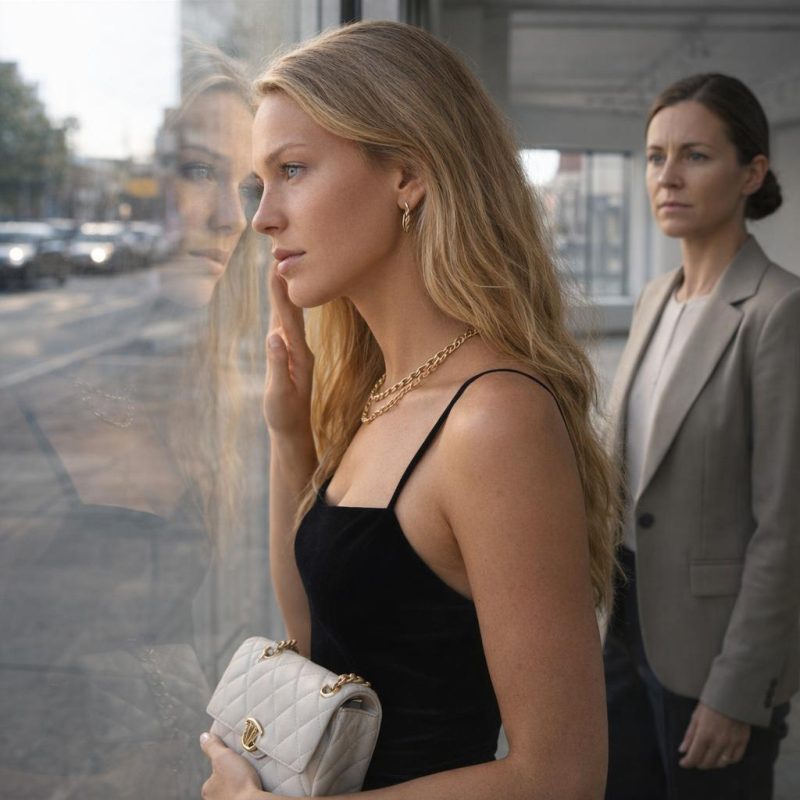 Image by RM AI
The Cost of Giving
I opened my savings account on a Wednesday evening in October and sat with the number for longer than I needed to. I already knew what it would say — I track everything — but seeing it rendered in plain digits on a plain screen has a way of making things feel more real than any spreadsheet. After ten years of redirecting income toward my family, my personal savings had been reduced to what most financial advisors would call an emergency fund and nothing more. No vacation fund. No investment portfolio worth mentioning. No down payment accumulating quietly in the background. Just the floor. I thought about the last time I'd been on a trip somewhere just for myself and couldn't land on a specific memory. I thought about the last time I'd been on a date and came up with a name but not a face. I'd told myself for years that I was in a season of giving, that my time would come, that the people I loved needed me now and I could build my own life later. And I believed it. I genuinely did. Family wasn't a consolation prize — it was the whole point. I closed the laptop and made myself a cup of tea and stood at the kitchen window watching the street below, feeling the particular quiet of a Wednesday night when you have nowhere to be and no one expecting you. Then my phone buzzed on the counter — a promotional email from a travel company, subject line reading *Your Dream Mediterranean Escape Awaits*, with a price tag that was almost funny.
 Image by RM AI
Sunday Dinners
Sunday dinners at my apartment had become a ritual over the past couple of years, and I loved them more than I ever said out loud. I'd spend Saturday afternoon planning the menu and Sunday morning at the grocery store, and by the time my parents arrived at two o'clock the apartment smelled like something worth coming home to. My father always took the same armchair. My mother always found something to rearrange in my kitchen before she sat down. Liam showed up with his appetite and whatever story from campus had been funniest that week, dropping his jacket on the back of a chair like he'd lived there. Emily was usually the last to arrive, always slightly breathless, always with a reason. That particular Sunday she came in twenty minutes late with her coat still half-on, kissed my cheek, and slid into her seat at the table. The food was good — roast chicken, the kind my mother used to make when we were kids — and the conversation moved the way it does when people are genuinely comfortable with each other. I looked around the table at one point and felt the specific satisfaction of knowing I had built this. Not just the meal, but the ease of it. The fact that my parents weren't stressed about money, that Liam could focus on school, that Emily had something of her own to talk about. Midway through dessert I noticed Emily had her phone in her lap, glancing down at the screen every few minutes, a small smile crossing her face each time she looked.
 Image by RM AI
The Wound That Lingers
I decided to reorganize my closet on a Saturday in November, the kind of project you start because you need to feel like you're doing something productive with a quiet day. I worked through it methodically — shoes first, then coats, then the upper shelf where things accumulated that I didn't know what to do with. I'd been engaged once. Two years ago, I'd been three months away from a wedding. I didn't think about it constantly anymore, which I took as a sign that I was doing fine. The relationship had ended badly — the kind of badly that doesn't leave room for ambiguity — and I'd spent the better part of a year rebuilding my sense of what my life was supposed to look like. I hadn't dated seriously since. I told myself it was because I was busy, which was true, and because I wasn't ready, which was also true, and because my family needed me, which gave the whole thing a shape that felt purposeful rather than sad. I was fine. I was genuinely fine. I pulled a storage box from the back of the upper shelf to move it, and the lid shifted, and I saw the edge of a cream-colored envelope printed with a return address I recognized immediately — the stationery company I'd used for the invitations.
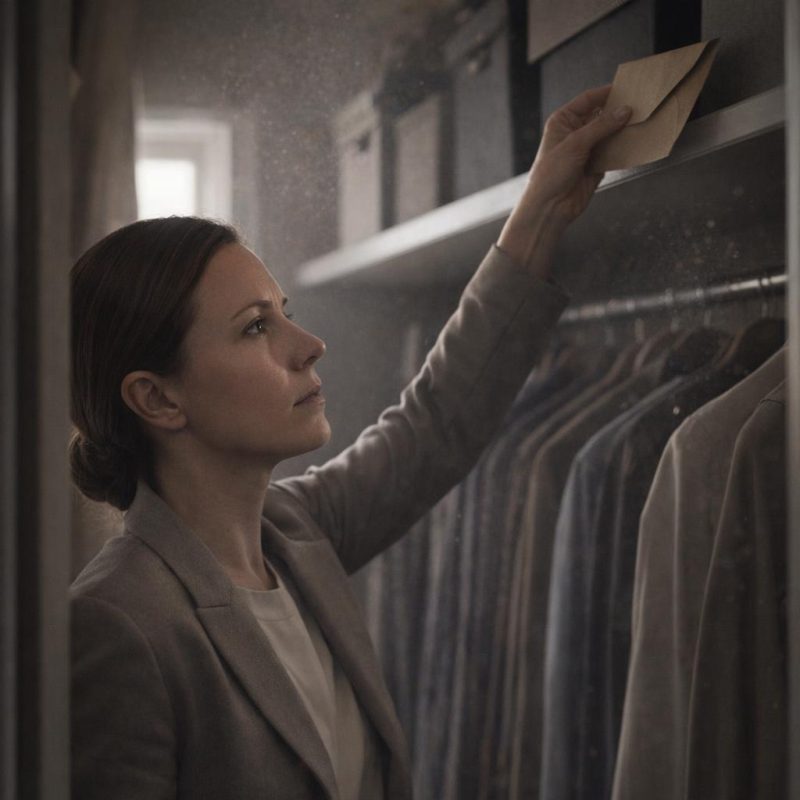 Image by RM AI
The Day Everything Shattered
I sat on the closet floor with the box in my lap for a while before I opened it. Inside were two hundred and forty wedding invitations, still in their tissue wrapping, never sent. I remembered the exact afternoon two years ago when everything came apart. I'd picked up his phone to check the time — he was in the shower, I wasn't snooping — and the screen had lit up with a message that made no sense at first, and then made complete sense in the worst possible way. I confronted him when he came out of the bathroom, still damp, towel around his waist, and I watched his face move through surprise and then calculation and then something that looked like relief, which was the part that stayed with me longest. Greg was charming even then. He apologized in the smooth, practiced way of someone who had thought about what he'd say if this moment ever came. He said it had meant nothing. He said he'd been under pressure. He said he loved me. I packed his things into three boxes while he was still talking, called a locksmith before he'd finished his last sentence, and had the locks changed by nine that evening. He texted for two weeks after. Then he stopped. I told myself that was the end of it — that he was gone from my life completely, a closed chapter, someone I used to know. I put the lid back on the box and sat with the weight of all those unaddressed envelopes, the quiet of the apartment settling around me like something I had long since learned to carry.
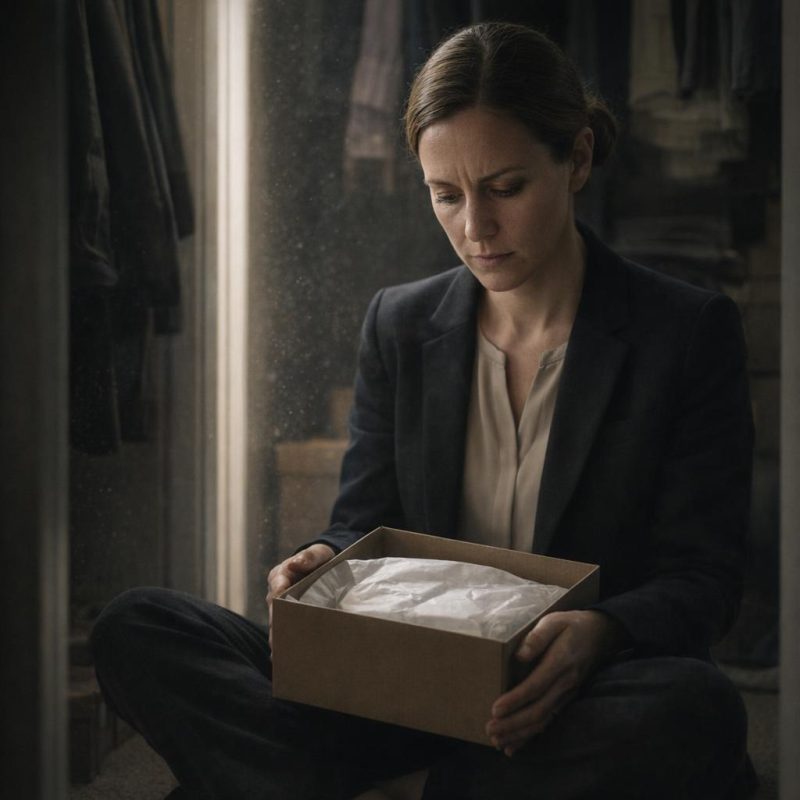 Image by RM AI
Family Support
After Greg was gone, my family showed up in a way I hadn't expected and didn't know I needed. My mother arrived at my apartment the same evening I changed the locks, carrying two containers of soup and a overnight bag she'd clearly packed in a hurry. She didn't ask questions. She just set the soup on the stove, turned the burner on low, and sat down across from me at the kitchen table like she was settling in for however long it took. My father came the next morning with coffee and said almost nothing, which was exactly right. Liam offered to go find Greg and have a conversation about his choices, and I had to talk him down from that, which actually made me laugh for the first time in two days. Emily was the one who surprised me most. She sat beside me on the couch that first night, her arm around my shoulders, and said Greg had never deserved me — that she'd always thought he was too smooth, too easy with compliments, too much performance and not enough substance. I believed her completely. I leaned into all of it — the soup, the company, the anger on my behalf. My mother stroked my hair before she turned off the light in the guest room and told me that I deserved real love, the kind that didn't ask me to shrink, and that it would find me when I was ready.
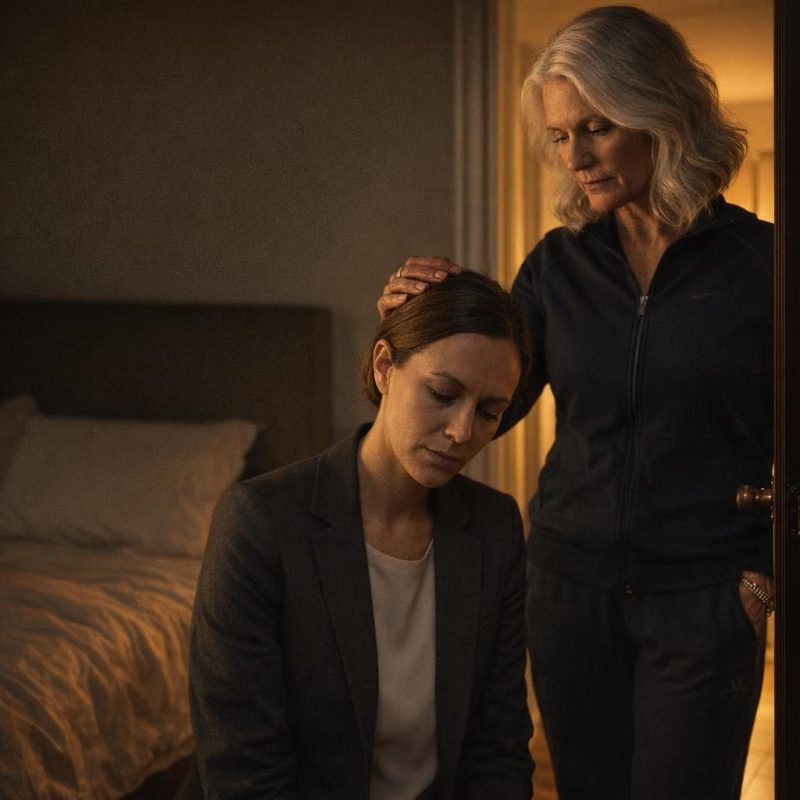 Image by RM AI
Rising Through the Ranks
Work had always been the place where the math made sense. I'd started at the firm as a junior analyst a decade ago, running numbers for projects I barely understood, staying late to learn the ones I didn't. The promotions came steadily — not because I pushed for them, but because the work spoke clearly enough on its own. By my fifth year I was leading my own team. By my seventh I was the person other teams called when a model wasn't holding together. My colleagues respected me in the quiet, functional way that matters more than praise — they brought me the hard problems. My supervisors trusted me with the accounts that couldn't afford mistakes. I'd built something real there, something that was entirely mine, and on the days when everything else felt uncertain, I could sit down at my desk and know exactly what I was doing and why it mattered. I was reviewing a quarterly risk assessment on a Tuesday afternoon when the email came through from the managing director. The subject line read: Singapore Infrastructure Initiative — Team Lead Consideration. I read it twice. It was a fourteen-week engagement, high-visibility, the kind of project that got written up in the firm's annual report. My name was at the top of the shortlist.
 Image by RM AI
November Assignment
I pulled up the full project brief that evening and read through every page. The engagement was based out of Singapore, with site visits to two additional locations across the region. The timeline was fixed — the client had regulatory deadlines that couldn't move, and the kickoff date was the second week of November. I opened my calendar and counted forward. Fourteen weeks from the second week of November landed squarely in mid-February. I counted back. The project would be in full swing by the third week of November, which meant I'd be overseas for Thanksgiving. I sat with that for a moment. I'd been home for every Thanksgiving for as long as I could remember — not because anyone had asked me to be, but because it was the one holiday where the whole family actually gathered in the same room at the same time, and I'd always been the one who made sure it happened. I thought about declining. I opened a draft email twice and closed it both times without typing anything. The opportunity was real and it was rare, and I knew that if I passed on it, the next one might not come for years. I closed the project brief and sat in the quiet of my apartment, the calendar still open on my screen, the weight of the choice settling over me like something I hadn't yet decided how to carry.
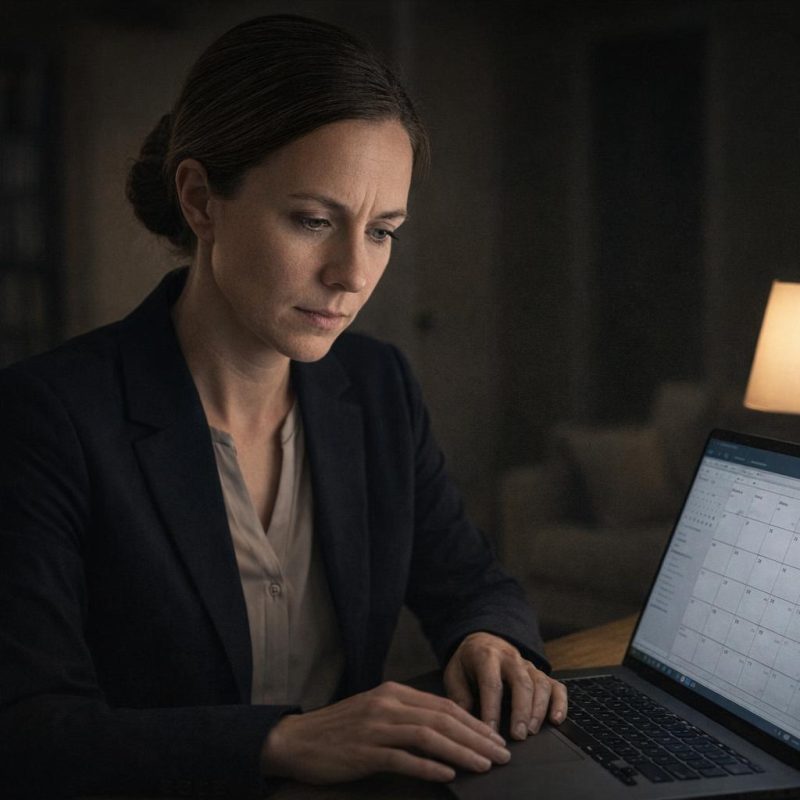 Image by RM AI
The Impossible Choice
I made a list, because that's what I do when I can't think straight. On one side: the project, the visibility, the career trajectory, the raise that would almost certainly follow a successful lead engagement. On the other side: Thanksgiving, the family table, the particular smell of my mother's kitchen in November, the fact that I had never once missed it. I stared at the two columns for a long time. Then I added a line I hadn't planned to write — the financial one. The raise from a successful international lead would mean more room in my monthly transfers to the family. Liam's tuition was coming up for renewal. My parents' roof had needed work for two years and I'd been managing it in patches. The math was not complicated. I thought about calling my mother before I decided, but I knew what she'd say — she'd tell me to go, that family would always be there, that I shouldn't hold myself back on their account. She'd said versions of that before. I trusted it. I typed the acceptance email, read it once, and sent it before I could change my mind. The apartment was very quiet after that, and I sat at my desk for a while with my hands in my lap, feeling the particular weight of a decision that was right and still cost something.
 Image by RM AI
Breaking the News
I rehearsed the call three times before I actually made it. I knew my mother would be disappointed — she'd been talking about Thanksgiving since September, mentioning the sweet potato recipe she wanted to try, asking whether I thought Liam would bring anyone this year. I sat on my couch with my phone in my hand and ran through the apology in my head: the project timeline, the client deadlines, the fact that I'd tried to find a way around it and couldn't. I called her on a Wednesday evening. She picked up on the second ring, and I launched into it before she could say anything — the assignment, Singapore, the fixed kickoff date, how sorry I was, how I'd make it up to everyone at Christmas. There was a brief pause on her end, and I braced for the guilt, the quiet sigh, the gentle reminder of how much these gatherings meant to her. Instead she said, 'Oh, sweetheart, don't worry about it at all.' Her voice was easy, almost breezy. She said these things happened, that work was important, that she was proud of me. I thanked her and told her I loved her and stayed on the line a moment longer than I needed to. I felt the tension I'd been carrying for days release from my shoulders. Then I noticed how quickly she'd moved on to other topics, and something about the ease of it stayed with me just a little longer than I expected.
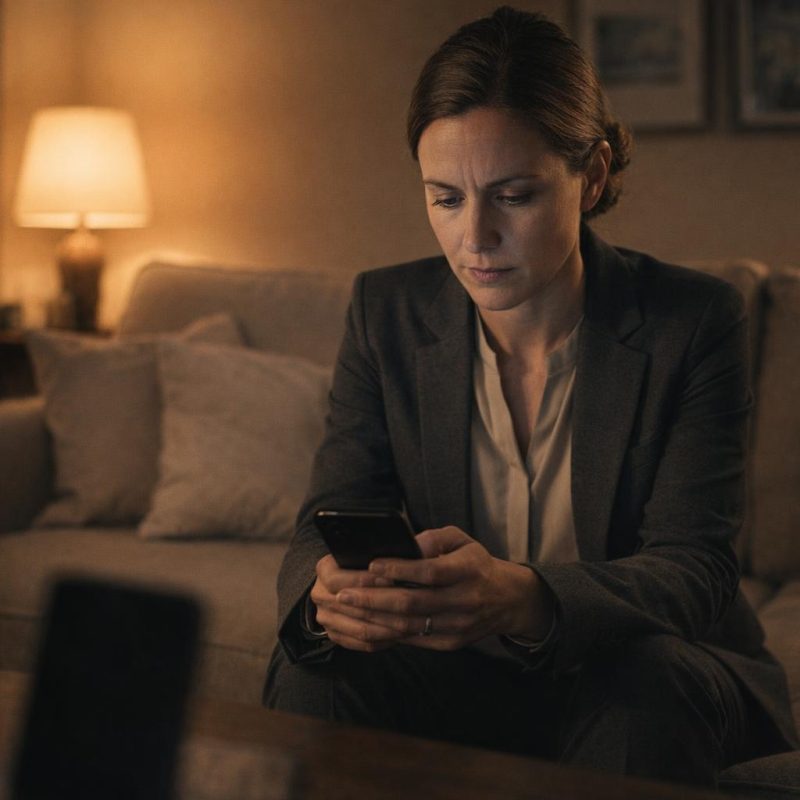 Image by RM AI
Simple Plans
We talked for another twenty minutes after that, and my mother filled in the picture of what Thanksgiving would look like without me. She said she was thinking they'd just order from that Chinese place my father liked — no point cooking a whole meal for a small group. She said my father would probably park himself in front of the football game and fall asleep by halftime, same as always. Emily and Liam would stop by for a couple of hours, she said, but nothing formal, nothing elaborate. She used the word 'low-key' twice. She said Christmas was the one she was really looking forward to, that we'd do the full celebration then — the good dishes, the real meal, everyone together. I told her that sounded perfect. I meant it. The image she painted was so familiar and so ordinary — my father on the couch, takeout containers on the counter, the television too loud — that my guilt softened into something more manageable. I said I'd set up the automatic transfers before I left so they wouldn't have to think about the bills while I was gone. She said that was very thoughtful. When I hung up, I felt steadier than I had in days. The holiday would be quiet and simple, just like she said — takeout, football, a low-key Thursday that didn't need me to hold it together.
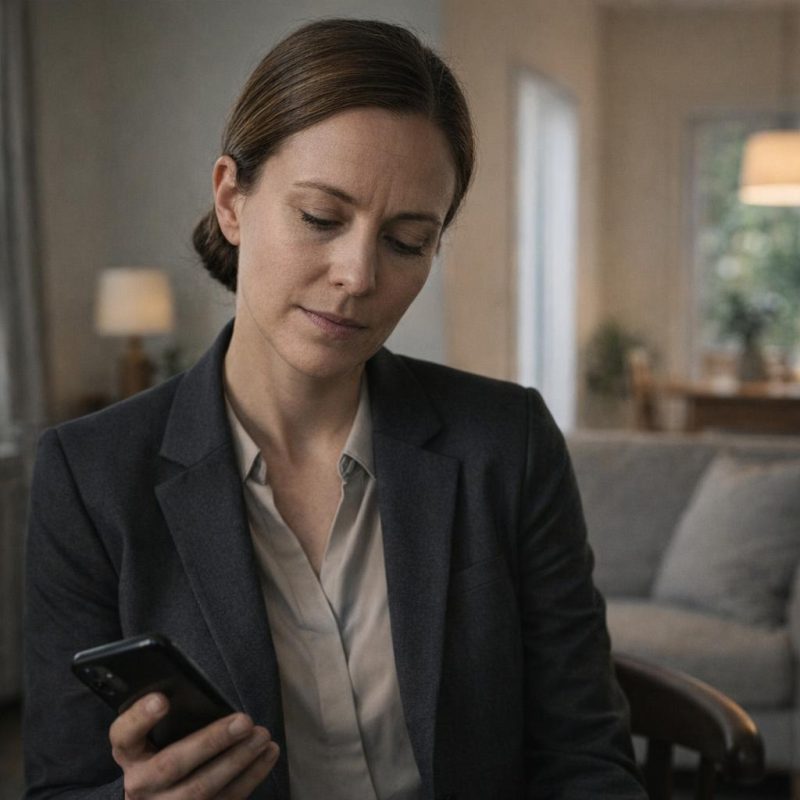 Image by RM AI
Departure
I packed on a Sunday, which gave me two days to second-guess everything and still make my Tuesday flight. I laid out fourteen days of work clothes on the bed — blazers, dark trousers, the kind of outfits that read as competent in any conference room on any continent. I sent a message to the family group chat the night before I left, something short and warm: safe travels wishes to myself, a reminder that I loved them, a note that the automatic payments were set up and they shouldn't have to worry about anything while I was gone. My mother sent back a heart emoji. Emily sent a thumbs up. Liam didn't respond, which was normal. I arranged the bill payments through my bank's portal — utilities, the mortgage supplement I covered for my parents, Liam's tuition installment — and set them to process on their usual dates. I took a car to the airport in the early morning dark, my laptop bag over one shoulder and fourteen days of careful preparation in the case at my feet. At the gate I pulled up the project brief one more time and read through the first section while the boarding announcement played overhead. I found my seat, stowed my bag, and settled in with the quiet reassurance of my mother's voice still somewhere in the back of my mind — takeout, football, nothing to worry about.
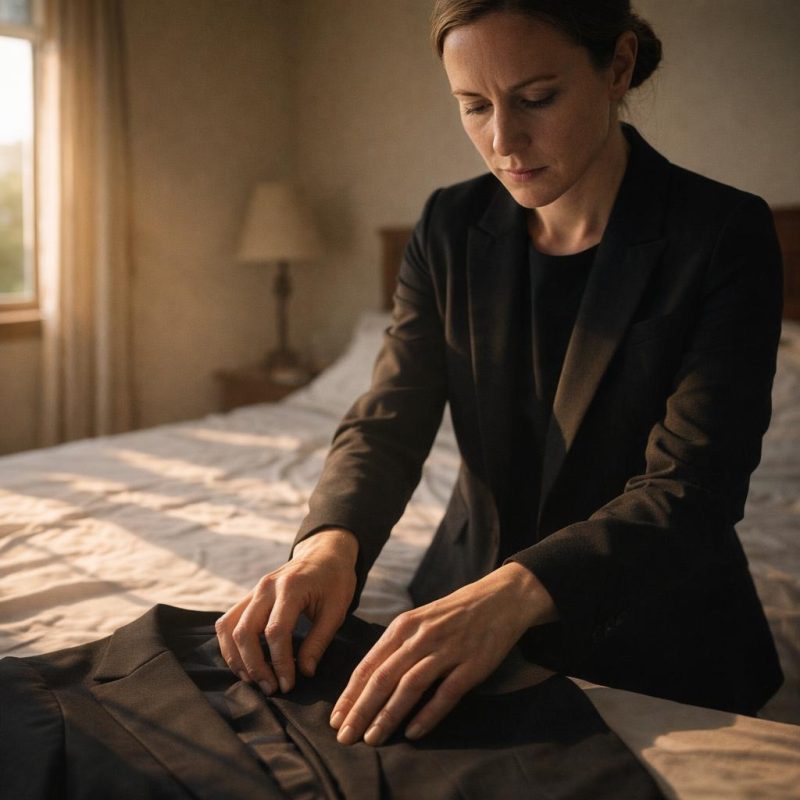 Image by RM AI
Foreign Ground
Singapore hit me like a wall of warm air and fluorescent light. I checked into the hotel at six in the morning local time, which was some ungodly hour back home that I was trying not to calculate, and sat on the edge of the bed for a few minutes before deciding that sleep was not going to happen. I showered, changed, and was in the client's conference room by eight-thirty. The local team was sharp and prepared, and I was grateful for that — it gave me something to lock onto while my body was still somewhere over the Pacific. The first week moved in that particular blur of jet lag and back-to-back meetings where you're performing competence on four hours of sleep and hoping no one notices. I worked late most evenings, ordering room service I barely tasted, going over models until the numbers stopped swimming. I sent a few short messages home — a photo of the skyline from my hotel window, a note that the project was going well. The responses were brief, which I told myself was just the time difference. By the end of the first week, I'd found my footing with the team and the work had started to feel like mine again. I thought about my family briefly on the Wednesday before Thanksgiving — pictured my father on the couch, the television on, takeout boxes on the counter — and let the image settle quietly in the back of my mind.
 Image by RM AI
Thanksgiving Day
Thanksgiving fell on a Thursday, which sounds obvious, but when you're in a conference room in Singapore watching the city skyline through floor-to-ceiling glass, the calendar feels almost theoretical. The local team had acknowledged it early in the morning — one of the analysts, a cheerful woman named Priya, had brought in a small box of pineapple tarts and set them on the table with a smile, saying something about how she hoped I wasn't too homesick. I told her I was fine. I was mostly fine. We moved through three back-to-back sessions on the restructuring model, and I kept my head down and my notes tight, the way I always do when I need to not think about something else. Around midday I stepped into the hallway during a break and pulled out my phone. Nothing from my mother. Nothing from my father. Nothing from Emily or Liam. I told myself the time difference made it awkward — it was still the middle of the night back home, or close enough — and that they were probably just letting me work. I typed a quick message into the family group chat: *Happy Thanksgiving, thinking of you all.* I watched the two grey ticks appear. Then I put my phone away and walked back into the room, because there was nothing else to do. By the end of the afternoon session, my phone still hadn't made a sound.
 Image by RM AI
Room Service for One
By seven in the evening I was back in my hotel room with my laptop open and a room service menu I'd already memorized. I ordered the closest thing they had to a proper dinner — a roast chicken with vegetables that arrived under a silver dome and tasted fine, perfectly fine, in the way that hotel food always tastes fine and nothing more. I propped my laptop against the water glasses and tried a video call to the family group. It rang for a long time. No answer. I tried my mother separately. Same result. I told myself they were probably eating, or the television was too loud, or my father had left his phone in the other room the way he always did. I sent a short message — *tried to call, hope dinner is good, miss you* — and then I closed the chat and opened my project files, because sitting there staring at an unanswered screen felt worse than working. I ate the roast chicken slowly, reading through a variance report, and somewhere around the third page I stopped actually reading and just sat there with the fork in my hand. I thought about my mother ordering takeout containers, my father on the couch, Liam probably on his phone, the ordinary quiet of a family evening I wasn't part of. The chicken went cold before I finished it, and I didn't mind.
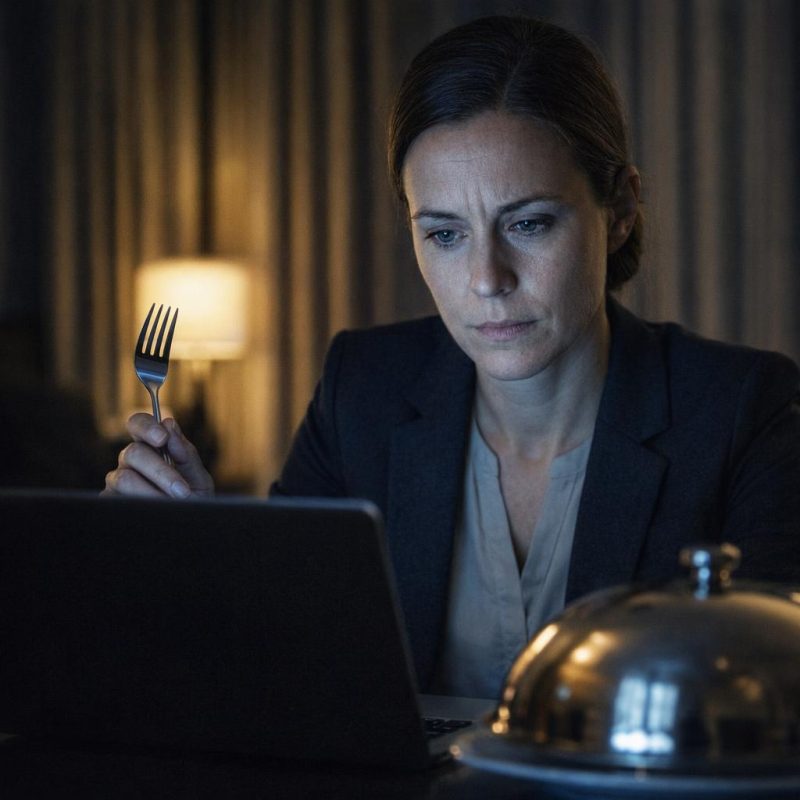 Image by RM AI
Scrolling for Connection
I closed the project files around nine and couldn't make myself open them again. The room felt very still in the way hotel rooms do — that particular silence that isn't really silence, just the absence of anything familiar. I picked up my phone and opened Instagram without really deciding to. It was the kind of scrolling you do when you're not looking for anything specific, just wanting to feel like you're somewhere near other people. Friends from college had posted their Thanksgiving tables — the good china, the slightly burnt rolls, the obligatory group shot where someone always has their eyes closed. A woman I'd worked with three jobs ago had posted a video of her kids running through a pile of leaves. I double-tapped a few things without thinking. I looked for anything from my family, half-expecting a photo of takeout containers on the kitchen counter, maybe a blurry shot my father had taken by accident. There was nothing from them. I kept scrolling past the harvest-toned flat lays and the grateful captions, past the travel photos and the sponsored posts, the feed moving under my thumb in that slow, almost hypnotic rhythm. The room was quiet around me, and the glow of the screen was the only light I'd bothered to turn on.
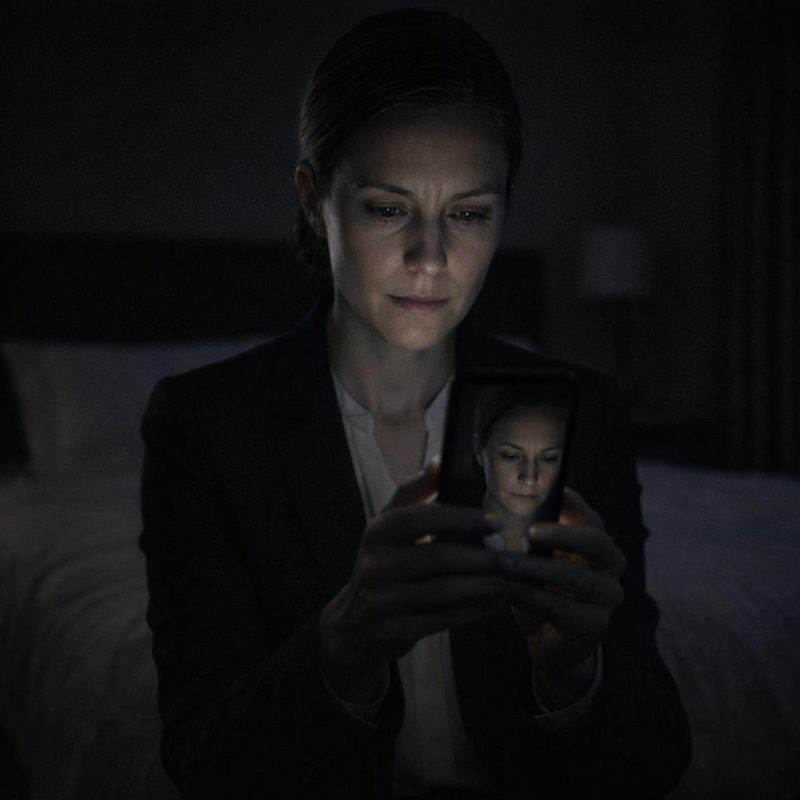 Image by RM AI
The Photo
I almost scrolled past it. My cousin had posted it with a string of autumn leaf emojis and the caption *so grateful for this family!!* and tagged about fifteen people, the way she always did, and for a half-second it just looked like another holiday post. Then my thumb stopped. The photo was large and bright and unmistakably real — long tables set with white linens, candles, what looked like an actual carved turkey surrounded by more side dishes than I could count. Floor-to-ceiling windows behind the tables showed a mountain ridge going dark against an orange sky. There were dozens of people in the frame. I sat up straighter. I recognized my aunt's red cardigan near the left edge. I recognized the back of my father's head, the particular way he holds his shoulders. My mother was near the center, laughing at something, in a blouse I'd never seen before. Liam was there. Emily was there. Cousins I hadn't seen since the previous Christmas, an uncle who lived four states away — all of them seated around tables that filled what looked like a private dining room in some kind of lodge. My mother had told me they were staying home. She had specifically said takeout, a quiet night, nothing special. I pinched the screen to zoom in, my chest going tight, and that's when I saw the full sweep of the room — the fireplace, the vaulted ceiling, the whole elaborate, expensive, carefully arranged scene.
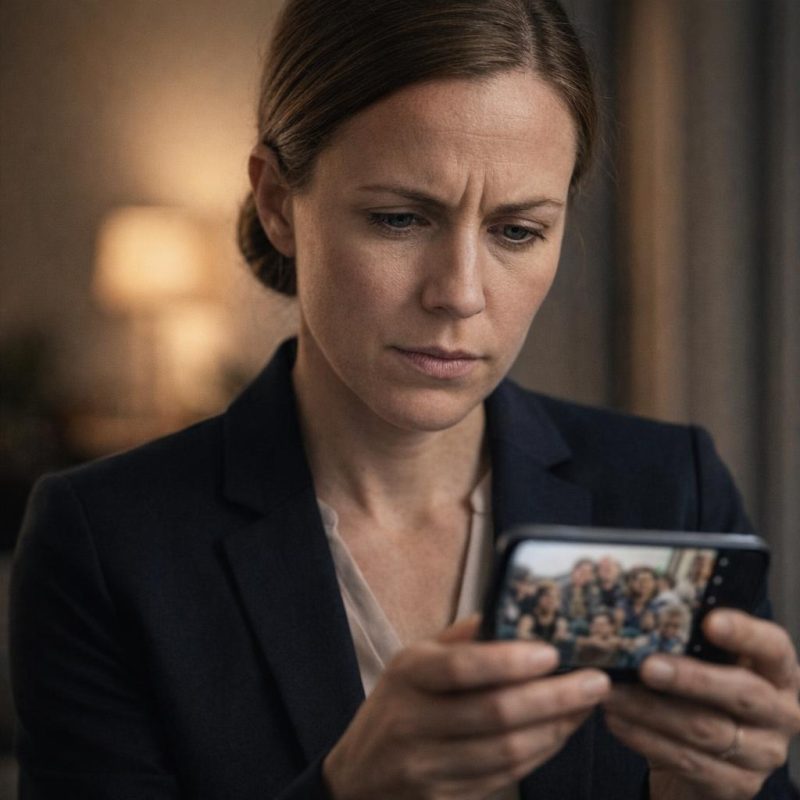 Image by RM AI
The Lavish Lie
I kept staring at the photo the way you stare at something when your brain is insisting it must be wrong. I zoomed in on the windows first — the mountain ridge, the last of the sunset behind it — and then on the room itself. The tables were dressed properly, not just nicely. Linen napkins folded into points. What looked like a floral centerpiece every few feet. The kind of setup that doesn't happen by accident and doesn't come cheap. I reverse-searched the image out of habit, the analyst in me kicking in before the rest of me had caught up, and the lodge's name came back immediately — a place I vaguely recognized from a travel feature I'd read once, the kind of venue that gets described as *rustic luxury* and charges accordingly. My mother had called me the week before I left for Singapore. She'd said, and I could hear her voice clearly now, that they were going to keep it simple this year. Just the immediate family. Takeout, probably. Nothing to fuss over. I had felt relieved for them, honestly — relieved that they weren't going to any trouble on my account. I zoomed out and looked at the whole photo again: the candles, the crowd, the mountain view, the feast. The gap between what she'd described and what I was looking at sat in my chest like something I hadn't swallowed properly.
 Image by RM AI
Counting Faces
I went through the photo face by face, the way I go through a spreadsheet when something doesn't reconcile. My parents were at the head of the nearest table — my father with a glass raised slightly, my mother mid-laugh, both of them looking entirely at ease. Liam was a few seats down, leaning back in his chair with that particular loose-limbed posture he has, talking to someone I recognized as my cousin's husband. Emily was on the far right side of the frame, partially cut off, but clearly there. I spotted three aunts, two uncles, a cluster of cousins I associated with summer barbecues and Christmas Eve. One of my uncles had driven in from out of state for this, apparently. This wasn't a spontaneous thing — you could see it in the matched linens, the centerpieces, the sheer number of people who had clearly all been told the same time and place. Someone had planned this. Someone had sent invitations, or made calls, or at minimum coordinated enough that a room full of extended family had all shown up to the same mountain lodge on the same Thursday. I sat with that for a moment. I hadn't been told. I hadn't been invited, or asked, or even mentioned it in passing. Every single person in that photo had known something I hadn't, and not one of them had said a word.
 Image by RM AI
The Expensive Venue
I screenshotted the photo and opened a browser. The lodge's name had come up in the reverse search, and I typed it in properly now, wanting to see the full picture. The website loaded clean and expensive-looking — dark wood tones, soft lighting, the kind of photography that makes you feel underdressed just looking at it. I found the events page without much trouble. They offered Thanksgiving packages: private dining room rental, a set menu for groups, a per-head price that made me read the number twice. There was a note at the bottom of the page, the kind of fine print that isn't really fine print because they wanted you to see it — *Holiday packages require a minimum of eight weeks advance booking. Limited availability.* Eight weeks. That put the reservation somewhere in September, at the latest. I sat back against the headboard and looked at the ceiling for a moment. This wasn't a last-minute decision. Whoever had organized this had done it in September, while I was still at home, still transferring money every month, still being told that things were tight and they were keeping it simple. I wasn't angry yet — I was still in that strange flat space before anger, where everything just feels very precise and very wrong. I pulled the screenshot back up and started looking more carefully at the right side of the photo, where the frame had cut Emily off at the shoulder.
 Image by RM AI
The Arm Around Her Waist
I widened the crop and the right edge of the photo came into focus. Emily was turned slightly toward the center of the table, her hair down, wearing something dark and fitted that I didn't recognize. She was leaning — not toward the table, but sideways, into the person next to her. I almost moved past it. Then I looked at the arm. It was draped across the back of her chair, and then lower, settled at her waist in a way that wasn't casual or accidental. I followed the arm to the shoulder, to the collar of a tailored shirt, to the profile of a face I had spent two years trying to stop seeing in crowds. The jaw. The particular set of the shoulders. The expensive watch catching the candlelight on his wrist. My thumb went still on the screen. It was Greg.
 Image by RM AI
The Man Who Destroyed Me
I kept staring at the profile in the photo. The jaw. The watch. The way he held himself like every room owed him something. Greg. I had spent two years trying to unknow that face — two years rebuilding after he blew up everything we had planned together, after I found out about the other woman and had to call the wedding off and explain to everyone why the invitations needed to be unsent. My family had sat with me through that. My mother had held my hand at the kitchen table. My father had said, quietly, that Greg was never good enough for me. Emily had brought me takeout three Sundays in a row and let me cry on her couch. I had believed every bit of it. And now here he was — in a photo from their Thanksgiving, at a mountain lodge I hadn't even known existed, his arm settled around my sister's waist like he belonged there. I scrolled back to the full image. My mother was smiling. My father was raising a glass. Liam was laughing at something off-camera. They were all there, together, celebrating — and somewhere between the candles and the wine and whatever toast my father made, Greg had been there too, standing in the middle of my family like the last two years had never happened.
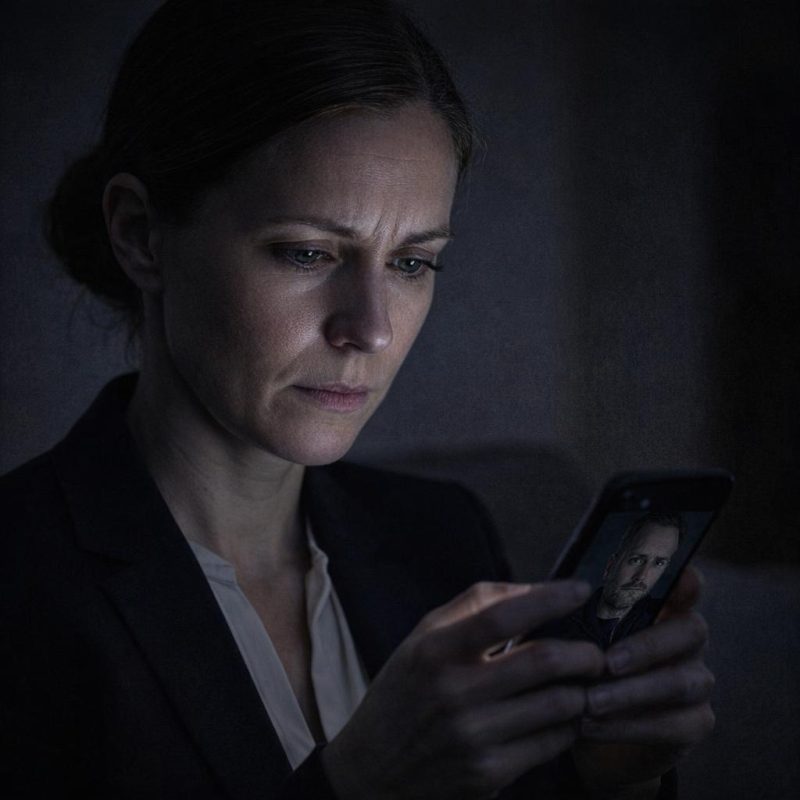 Image by RM AI
The Questions Multiply
I sat on the edge of the hotel bed for a long time without turning on the lamp. The room was quiet except for the hum of the air system and the faint sound of traffic twelve floors below. I kept turning the same questions over and over. How long had Greg been around? Was this the first time he'd shown up at a family event, or had there been others — dinners I'd missed because of a work trip, holidays I'd skipped because of a deadline? I thought about the last few Sunday dinners I'd made it to. Emily had been on her phone more than usual, angling the screen away when I leaned in. I'd assumed she was texting friends. I hadn't pushed. I thought about every time my mother had changed the subject when I mentioned the breakup, every time my father had gone quiet in a way I'd read as grief on my behalf. I tried to build a timeline in my head and kept running into gaps I couldn't fill from six thousand miles away. I wanted to call someone. I wanted to demand an explanation right now, tonight, across whatever time zone separated us. But I didn't pick up the phone. I just sat there in the dark, the questions stacking up around me with no answers to hold them down.
 Image by RM AI
Following the Money
At some point the emotional part of my brain went quiet and the other part — the part that had spent eight years reading balance sheets and flagging anomalies — stepped in. I'd seen it happen before at work, that shift where feeling too much becomes unsustainable and your mind just switches modes. I picked up my phone and opened my banking app. Not to call anyone. Not to text. I opened it because numbers don't lie the way people do, and right now numbers were the only thing I trusted. I started with the joint household account my parents drew from — the one I funded every month for groceries, utilities, whatever they said they needed. The transactions loaded slowly on the hotel wifi. I scrolled without reading at first, just letting the list populate. Then I stopped scrolling and started actually looking. There were charges I didn't recognize. Not many, not at first glance, but enough to make me sit up straighter. I told myself it could be nothing. I told myself I was probably looking for something that wasn't there because I was hurt and jet-lagged and running on three hours of sleep. But I'd said that before about numbers at work and been wrong, and I knew better than to talk myself out of looking. I set the household account aside and navigated to the emergency credit card — the one I'd opened for genuine crises and handed over with a specific list of what it was for. I held the phone steady and waited for the statement to load.
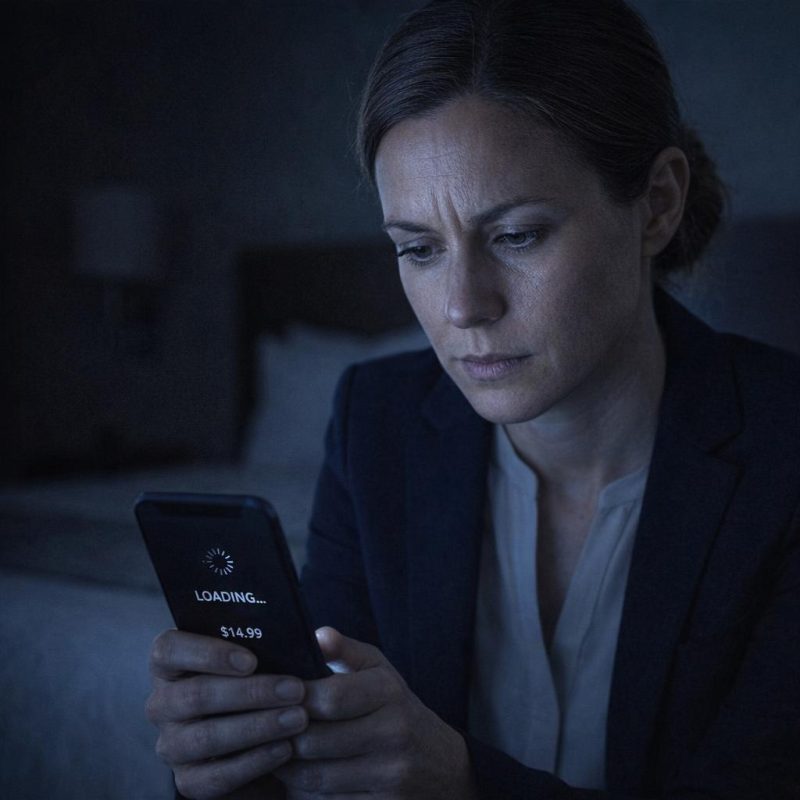 Image by RM AI
The Emergency Card
The statement took a few seconds to populate and I watched the charges appear line by line. Most of them I recognized — a pharmacy run in October, a car repair in September that my father had called me about. I scrolled past those without stopping. Then I hit November and slowed down. There was a charge near the top of the month I didn't recognize. The merchant name meant nothing to me at first — something with 'Ridge' in it, something that sounded like a property name rather than a store. I copied it into a search window. The results came back in under three seconds: a mountain lodge resort, premium packages, private cabins, Thanksgiving weekend specials. I looked at the date on the charge. Thanksgiving weekend. I looked at the amount. I read it twice because the first time didn't feel real. Then I read it a third time, sitting very still in the dark hotel room, the phone screen the only light in the room. Twelve thousand dollars. My emergency card. The celebration I hadn't been invited to — the lodge, the candles, the raised glasses, Greg's arm around my sister's waist — all of it had been charged to the card I'd opened for hospital bills and broken furnaces and genuine disasters, and the number staring back at me was twelve thousand dollars.
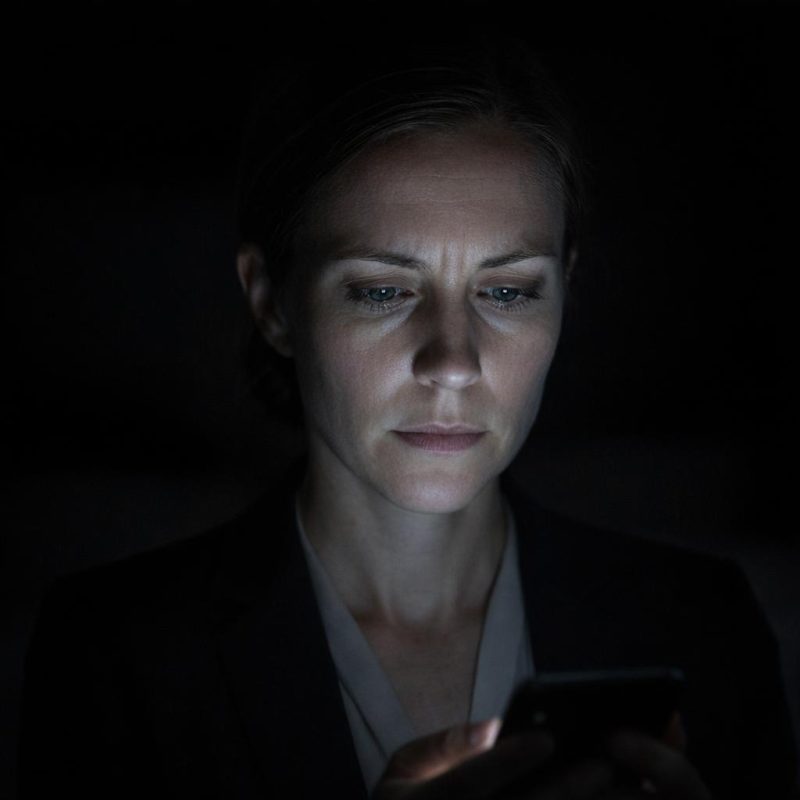 Image by RM AI
The Pattern Emerges
I didn't put the phone down. I went back to the beginning of the emergency card statement and started over, this time reading every line. I pulled up a notes app and started a list. August: a charge at a restaurant I'd never heard of, two hundred and forty dollars on a Tuesday night — not a birthday, not a holiday, just a Tuesday. September: a spa booking, three hundred and eighty dollars. Another restaurant charge the following weekend, similar amount. October: a retailer I recognized as a high-end clothing boutique, just over five hundred dollars. None of these were emergencies. None of them matched anything my parents had mentioned to me. I thought back over the past few months, trying to remember if my mother had said anything about a special occasion, a celebration, a reason to spend. Nothing came to mind. I kept scrolling. The charges weren't enormous individually — that was the thing. Each one on its own could almost be explained away. A nice dinner for an anniversary I'd forgotten. A treat after a hard month. But they kept appearing, weekend after weekend, and the total I was running in my head kept climbing. I added up the column in my notes. Not counting the lodge charge, the number was just under four thousand dollars over three months. I stared at the list on my screen, the items sitting there without explanation, each one a question I didn't yet have an answer for.
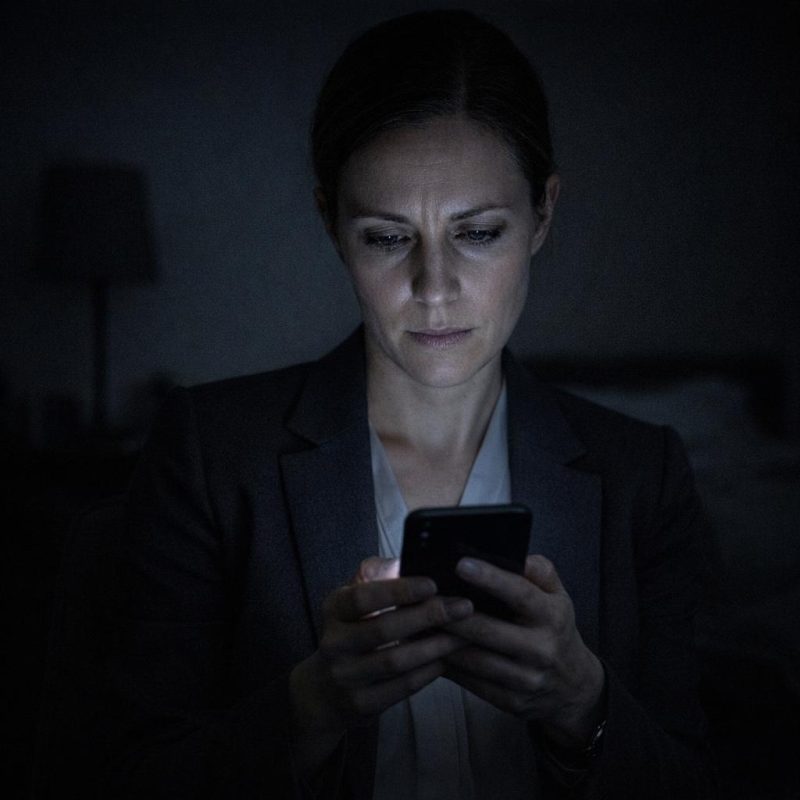 Image by RM AI
Emily's Boutique Books
I switched apps and logged into the boutique business account. Emily had given me access two years ago when I put in the initial capital — she'd said it was so I could see the business growing, so I could feel like a partner in something. I'd barely looked at it since. The books loaded and I opened the expense ledger for the past six months. I pulled up my own transfer records alongside it and started comparing. The numbers I'd been sending every month were meant to cover inventory, rent, and basic operating costs — Emily had given me a breakdown when she asked for the investment, a tidy little spreadsheet with projected expenses and growth targets. I'd kept a copy. I found it in my email archive and opened it next to the actual ledger. The rent matched. The utility charges matched. But there were cash withdrawals — four of them over six months, each between eight hundred and fifteen hundred dollars, each logged with a description that said only 'miscellaneous supplies.' I knew retail. I'd done enough financial analysis on small businesses to know that miscellaneous supplies at that frequency and amount didn't look like tissue paper and hangers. I added the withdrawals. Just over five thousand dollars, pulled out in cash, with no receipts attached and no corresponding inventory increase I could find anywhere in the records. The numbers sat on my screen, and no matter how I arranged them, they didn't resolve into anything that made sense for a small boutique doing modest weekend traffic.
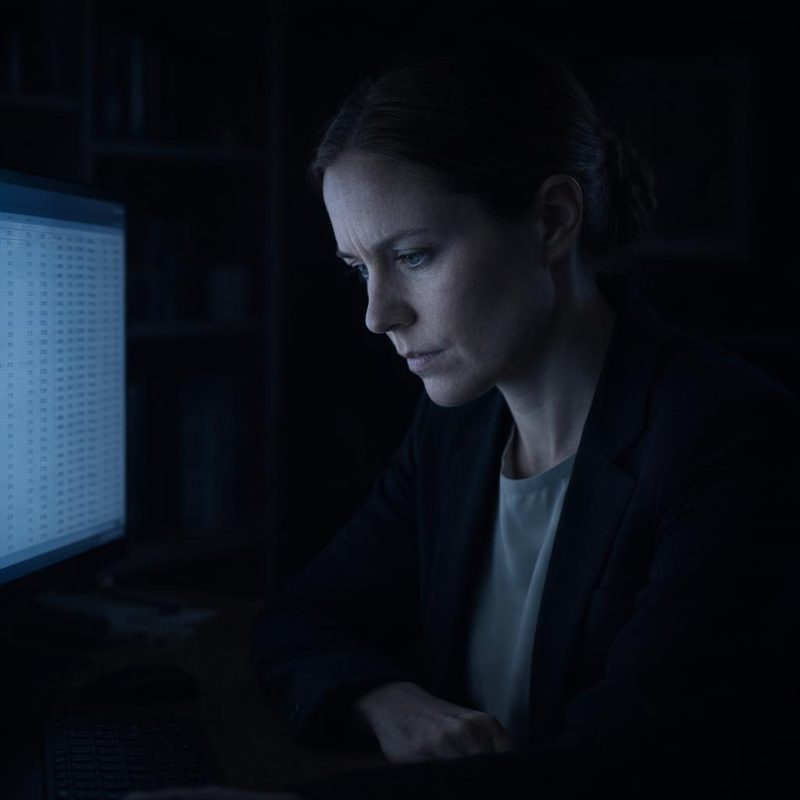 Image by RM AI
Liam's Tuition Truth
I almost stopped there. I almost told myself I had enough to think about for one night and put the phone down. Instead I opened the university billing portal. Liam had shared his login with me two years ago when I took over his tuition payments — he'd been sheepish about it, said he just didn't want to deal with the administrative side of things, and I'd taken it without question because that was what I did. I typed in his credentials and the account loaded. I went to billing history and pulled up the last four semesters. Then I opened my own bank records and found the transfers I'd made each term — the amounts Liam had texted me, always a few days before the deadline, always with a screenshot of what he said was the university invoice. I laid them side by side. The first semester matched, more or less. The second was off by about four hundred dollars — Liam's number higher than the portal showed. The third semester the gap was over nine hundred. By the most recent term, I had transferred nearly eighteen hundred dollars more than the university had actually billed. I scrolled further and found one semester where I'd paid for a full course load that the portal showed as a medical withdrawal — meaning the classes had been dropped and the tuition refunded to the student account. I had sent the money. The refund had gone somewhere. It hadn't come back to me. The portal showed the real numbers, and the real numbers didn't match anything Liam had ever sent me.
 Image by RM AI
The Luxury Spending
I went back to the emergency card statement and this time I sorted the charges by category instead of date. The pharmacy runs and the car repair sat at the top, clean and explainable. Below them, everything else. I started going through the restaurant charges more carefully, looking up each merchant name I didn't recognize. A rooftop bar downtown — the kind of place with a prix fixe menu and a reservation waitlist. A waterfront restaurant I knew by reputation, the sort where people went for anniversaries and proposals. A boutique hotel in the city, two nights on a Saturday and Sunday in October. I wrote each one down. Then I hit a charge from a jeweler — not a department store jewelry counter, but a standalone jeweler with a name I recognized from the kind of advertisements that run in the back pages of lifestyle magazines. The amount was just over three thousand dollars. I sat with that one for a moment. Further down the list there were two more weekend hotel charges and a booking described as a couples' spa experience. I looked at the full list I'd built. Upscale restaurants. A jeweler. Overnight hotel stays on weekends. A couples' experience. Taken separately, each charge was just a number. Lined up together, the pattern was harder to dismiss — dinners and jewelry and weekend stays, all of it on a card I had opened for emergencies, and none of it anything I had authorized.
 Image by RM AI
The Timeline
I pulled everything into a single spreadsheet — every questionable charge from the emergency card, the Venmo requests I'd approved without question, the direct transfers I'd made when someone texted that something had come up. Then I sorted it all by date. The pattern didn't announce itself all at once. It crept in slowly as I scrolled upward through the months. The first unusual charge appeared in late February — a restaurant I didn't recognize, mid-range, nothing alarming. Then in March, two more. By April the amounts were climbing. By June there were weekend hotel stays. By August the jeweler charge appeared, and after that the couples' spa booking. I added a column for amounts and ran the sum. Just over eleven thousand dollars across eight months, not counting the regular monthly transfers I'd been sending for years. Eleven thousand dollars that had nothing to do with car repairs or prescriptions or any emergency I'd ever been told about. I sat back and looked at the screen. What struck me wasn't any single charge — it was the spacing. Whoever was using that card hadn't panicked and overspent in one burst. The charges came in steadily, month after month, evenly spaced in a way that felt less like impulse and more like routine. I opened a second tab and started cross-referencing the dates against the family requests I'd received by text. The columns lined up in ways I hadn't expected, and I stared at the spreadsheet for a long time without moving.
 Image by RM AI
The Deliberate Exclusion
I went back to my cousin's photo. I'd looked at it a dozen times already, but this time I looked at it differently — not at the faces, but at the setting. The lodge was the kind of place that required advance booking, the kind that filled up months out, especially around the holidays. Someone had planned this trip well before Thanksgiving. While I was packing for my overseas assignment, while I was telling myself the distance would be temporary and the sacrifices were worth it, someone in my family had already made a reservation at a lodge I'd never heard of, for a celebration I hadn't been invited to. I thought about my mother's voice on the phone that Thursday — how quickly she'd explained the change of plans, how smooth it had sounded. Not uncertain, not apologetic. Settled, like someone who had already moved past the part where it might be questioned. I pulled up the charge dates again. The lodge deposit appeared in September. My assignment had started in August. The timing sat in my chest like something cold. My overseas schedule had made the distance easy to manage. And while I was working the hours that funded all of it — the mortgage, the card, the monthly transfers — they had used that same money to go somewhere without me. I didn't have words for what that felt like. I just sat there in the quiet of my apartment, the photo still open on my screen, and let the weight of it settle.
 Image by RM AI
Greg and Emily
I zoomed in on the photo again, this time on Greg and my sister Emily. I'd been avoiding that part of the image, I think, the way you avoid pressing on a bruise. But I made myself look. His arm wasn't draped casually around her shoulder the way you'd stand with a friend or a cousin at a family gathering. It was settled there, comfortable, the posture of someone who had stood exactly like that many times before. Emily was leaning into him slightly, her head tilted just enough. They looked at ease with each other in a way that takes time to develop. My family was around them — my mother smiling, my father with his hand raised toward the camera, my younger brother Liam grinning at something off to the side. No one's expression told me anything I could read clearly. Greg had been my fiancé. He had cheated on me, and I had ended things two years ago, and I had never once heard his name come up in a family conversation since. Or so I'd thought. I looked at the charges on my spreadsheet. The restaurant dates. The hotel weekends. The jeweler. I couldn't say for certain what any of it meant. But something about the way he was standing next to my sister, in a photo taken at a celebration funded by my money, made me set down the idea of calling anyone and pick up the idea of doing something instead.
 Image by RM AI
The Decision
I closed the photo. I didn't slam the laptop or push back from the desk. I just closed it, quietly, the way you close a door on a room you're done with. Then I opened my banking portal. I had three accounts, two credit lines, a business guarantee on Emily's boutique, and a recurring mortgage transfer set up through my parents' lender. I'd built this whole structure over ten years, piece by piece, because I'd told myself that's what you did for family. You showed up. You made it work. You didn't keep score. I looked at all of it laid out on the screen — the amounts, the transfer dates, the account names — and I felt something I hadn't expected. Not grief, not anger exactly. Something quieter and more certain than either of those. I had spent a decade making sure everyone else was stable, and somewhere along the way I had stopped asking whether any of them were doing the same for me. I wasn't going to call and demand explanations. I wasn't going to send a long message laying out everything I'd found. That wasn't the kind of answer I needed. What I needed was to stop. To simply, methodically, stop. I pulled up the first account and rested my hands on the keyboard, and for the first time in years, the next move felt entirely clear.
 Image by RM AI
The Emergency Card Deactivated
The emergency card management page loaded in under ten seconds. I'd set up the account myself three years ago, chosen the credit limit, added the authorized users, written the PIN on a slip of paper I kept in my desk drawer at home. I had built this thing from scratch because I wanted my family to have a safety net. I scrolled past the transaction history one last time — the rooftop bar, the waterfront restaurant, the jeweler, the spa booking, the hotel weekends — and I didn't linger on any of it. I'd already done the lingering. I found the account management tab and clicked through to the card status options. The interface asked me to confirm twice. I confirmed twice. There was no dramatic pause, no warning message telling me to reconsider. Just a small green banner at the top of the screen: Card successfully deactivated. I read it once. Then I closed the tab. I hadn't cried doing it. I hadn't felt the urge to. What I felt was closer to the sensation of setting down something I'd been carrying for so long I'd forgotten it had weight. The apartment was quiet around me, the kind of quiet that comes after a decision rather than before one, and I sat with that stillness for a moment before I moved on to the next account.
 Image by RM AI
The Mortgage Payments Stop
The mortgage payment had been set up as a recurring transfer — same amount, same date, every month for three years. I'd arranged it after my parents mentioned they were struggling with the payments, back when I told myself it was a temporary bridge. Three years is a long bridge. I logged into the payment portal and pulled up the scheduled transfers. Thirty-six payments. I looked at the total for a moment, then I looked away. The number wasn't the point anymore. I navigated to the recurring payment settings and selected the active transfer. The system asked whether I wanted to pause or cancel. I selected cancel. It asked me to confirm. I confirmed. It asked for a reason from a dropdown menu — I selected 'no longer required' — and then it was done. A confirmation number appeared at the top of the page, and below it a note in small gray text: No further payments will be processed under this schedule. I read that line twice. My parents would get a missed payment notice from their lender within the next billing cycle, maybe sooner. I understood that. I sat with it, and I didn't move to undo it, and the confirmation number stayed on the screen in front of me, steady and final.
 Image by RM AI
Emily's Boutique Funding Withdrawn
Emily's boutique had been my idea, in a way. She'd mentioned wanting to open something of her own, and I'd offered to back it — a formal arrangement, a capital account in both our names, a credit line I'd guaranteed with my own credit score. I'd told myself it was an investment in her future. I'd told myself a lot of things. I logged into the business banking portal and pulled up the boutique accounts. There were two: the operating account, which Emily managed day to day, and the capital account, which I controlled. I removed her as an authorized user on the capital account first. Then I contacted the credit line servicer through the portal's secure message system and submitted a formal request to freeze the guaranteed line, citing a change in guarantor circumstances. I'd looked up the process two days earlier, so I knew what language to use. The freeze request went through with a reference number and an estimated processing window of one business day. I went back to the capital account and cancelled the next scheduled infusion transfer — the quarterly payment that kept the boutique's reserves above the threshold Emily needed to place inventory orders. When the freeze cleared, she would log in and find the credit line unavailable. The capital account would show no pending transfers. I closed the portal and set my hands flat on the desk, and the quiet that followed felt like the last page of a very long document finally turned.
 Image by RM AI
Liam's Allowance Severed
Liam's allowance had been the first thing I'd ever set up for the family — a modest monthly transfer I'd started when he went to college, back when I thought it would last a year or two until he found his footing. He was twenty-six now. I logged into the transfer portal and pulled up the recurring payment linked to his account. I cancelled it the same way I'd cancelled everything else: no message, no warning, no explanation attached. Then I went into the shared account I'd kept open for family expenses — the one Liam had a debit card for — and removed his access. I checked the list I'd been keeping since the night before. Emergency card: deactivated. Mortgage transfer: cancelled. Boutique capital account: frozen. Liam's allowance: cancelled. Shared account access: removed. Every line had a confirmation number next to it. I read through the list once, then set my phone to silent. Not airplane mode — I wanted to know when the calls started coming. I just didn't want to hear them. I placed the phone face-down on the desk beside my laptop, leaned back in my chair, and waited for the silence to end.
 Image by RM AI
The Waiting Game
The project meeting ran two hours, and I was present for every minute of it — not distracted, not half-listening, actually there. I had slides to walk through, numbers to defend, a timeline to push back on with the regional director. I did all of it. My phone sat in my jacket pocket on silent, and I left it there. Not because I'd forgotten about it, but because I'd made a choice. There was something almost meditative about that choice — the deliberate act of not reaching for it, not checking, not giving in to the pull. I knew the calls would come eventually. I knew the texts would stack up. I just didn't need to watch it happen in real time. After the meeting I went back to my desk, ordered lunch from the place around the corner, and opened my spreadsheets. The work was clean and logical in a way that the rest of my life hadn't been for a long time. Numbers did what you told them to do. They didn't ask for more than you gave. I ate at my desk, answered three emails from the client, and let the afternoon pass without once turning my phone over. The silence I was keeping wasn't empty. It had weight to it — a deliberate, chosen weight that I carried without putting down.
 Image by RM AI
Day Three
Three days. I counted them the way you count anything you're trying to hold steady — carefully, without letting yourself get ahead of it. Three days since I'd cancelled the transfers, frozen the accounts, removed the access. Three days of nothing from any of them. No missed calls. No texts. No emails with urgent subject lines. I'd checked once in the morning and once before bed, just to confirm the silence was real, and both times it was. I wasn't surprised. I'd worked in finance long enough to know how these things moved. Mortgage payments had grace periods. Debit cards didn't decline until the balance hit zero. Business accounts didn't flag until a charge failed to clear. The machinery of financial consequence was slow and bureaucratic, and it didn't care about anyone's timeline. They hadn't felt it yet. But they would. I sat with that knowledge the way you sit with something you've already decided — not anxious, not second-guessing, just waiting for the world to catch up to the decision you've already made. I went to work. I reviewed the updated cost projections. I had a call with the London office that ran long and required my full attention, and I gave it. By the time I got back to my apartment that evening, the silence from home felt less like absence and more like the last quiet moment before something shifts.
 Image by RM AI
The Flood Begins
Day five started like the others — coffee, laptop open, project notes pulled up before eight. I'd kept the phone on silent all week, face-down on the nightstand while I slept and face-down on the desk while I worked. It had become a kind of discipline, a small daily proof that I could hold the line. I got through the morning without touching it. Then, just after lunch, I picked it up to check the time. The screen was lit up before I even unlocked it. I didn't open a single text. I didn't listen to any of it. I just stood there in the middle of my apartment, holding the phone in both hands, looking at what the screen was showing me — thirty-seven missed calls, a full voicemail inbox, and message threads from my mother, my father, Liam, and Emily stacked on top of each other like they'd been competing to reach me first.
 Image by RM AI
The Consequences Land
I sat down on the edge of the bed and started from the beginning. Liam's voicemail came first — his voice tight and confused, saying his card had been declined at the campus bookstore, that there had to be some kind of mistake, that he needed me to call him back right away. He left three versions of the same message, each one a little less patient than the last. Emily's texts were a wall of capital letters and exclamation points: her business accounts were frozen, a supplier payment had bounced, she couldn't access anything and what was going on. My father's message was quieter, which somehow made it worse — he said the bank had sent a notice about the mortgage, that there might be a processing error, that he hoped I could sort it out soon. And then there was my mother. She'd left seven voicemails. The first was confused. The second was worried. By the fourth she wasn't either of those things anymore — her voice had gone flat and hard, and she was asking questions that weren't really questions. I listened to all seven without stopping. Not one of them said sorry. Not one of them asked if I was okay, or why I might have done this, or whether something had happened. Every single message was about what they needed, what had been taken from them, what I owed them. I set the phone down on the bed beside me. The mortgage default notice, the declined card, the frozen accounts, the bounced payment — each one exactly where I'd put it.
 Image by RM AI
The Engagement Revelation
I called her back on a Tuesday afternoon, sitting at the small table by the window in my apartment, watching the street below. She picked up on the first ring. She didn't say hello. She launched straight into it — how I had no right, how I had embarrassed the family, how I had always been difficult and this proved it. I let her go. I didn't interrupt. And then, somewhere in the middle of it, she said it. She said Emily and Greg were engaged. She said it the way you say something you've been holding back and finally can't anymore — fast, almost accidental, like the anger had shaken it loose. She said they'd been together for months, that the family was happy for them, that they hadn't told me because they knew I would make it about myself. She said the Thanksgiving dinner — the one I'd paid for, the one I'd been excluded from — had been an engagement celebration. She said Greg had proposed with a ring the family had helped pick out. She said all of this while still being angry at me. While still expecting me to fix the accounts. While still waiting for me to apologize. I sat very still at that table, the phone pressed against my ear, the street noise coming through the window like it belonged to a different world entirely. My mother had just told me that my sister was engaged to my ex-fiancé — and was still waiting for me to say sorry.
 Image by RM AI
The Accusation
She kept going. I don't think she noticed I'd stopped responding. She said I was being vindictive. She said cutting off the money was a punishment, and that punishing Emily for finding happiness was beneath me. She said the emergency card had been used for family emergencies — and wasn't this a family emergency? She said I had always been selfish with money, that I held it over their heads, that I used it to control them. She said they had given me everything growing up, that they had sacrificed for me, and that this was how I repaid them. She said Greg was a good man and Emily deserved to be happy, and if I couldn't support that then the problem was mine, not theirs. She said she had hoped I was mature enough to handle it. She said a lot of things. I held the phone and listened to all of them. I kept waiting — I don't know what I was waiting for, exactly. Some acknowledgment. Some flicker of understanding that what they had done might have hurt me. Some version of sorry that didn't come wrapped in a demand. It never came. Not once. She finished speaking and then went quiet, and I could hear her breathing on the other end of the line, waiting for me to capitulate, to apologize, to fix it — and the silence between us stretched out long and flat, because she had nothing left to offer me and didn't seem to know it.
 Image by RM AI
They Never Loved Me
I don't know exactly when it settled in. It wasn't a single moment — it was more like something that had been building for a long time finally finding its shape. I sat there with the phone still in my hand, my mother's voice still faintly audible even though I'd lowered it from my ear, and I thought about the last ten years. The transfers. The mortgage payments. The boutique capital. Liam's allowance. The emergency card. All of it. I thought about every birthday call that ended with a request. Every holiday visit where I'd paid for the flights and the food and the gifts and gone home feeling like I'd failed some test I hadn't known I was taking. I thought about the way my mother had said Emily deserved to be happy — not as a comfort, not as an explanation, but as a verdict. As if my feelings were a logistical problem she'd already accounted for and set aside. I had spent ten years trying to be enough for people who had already decided what I was for. Not a daughter. Not a sister. Not someone to protect or consider or include. I was the account they drew from. The line item that kept everything else running. And when the line item had finally stopped, the only question anyone thought to ask was when it would start again. I set the phone down on the table, face-up this time, and sat with the quiet that came after — the kind that doesn't ask anything of you.
 Image by RM AI
The Full Picture
She was still talking when I started putting it together. Not listening anymore — just hearing her voice as background noise while the pieces arranged themselves in front of me. The jewelry store charge I'd flagged two months ago: an engagement ring. The restaurant bills I'd assumed were family dinners: Emily and Greg, across a candlelit table, on my account. The boutique capital I'd wired for what I was told was inventory: their weekends, their gifts, their courtship, funded line by line from my transfers. My mother mentioned, almost in passing, that Greg had been coming around since the spring. Since the spring. That was before the Thanksgiving dinner. Before the cousin's post. Before any of it had surfaced for me. They had all known — my mother, my father, Liam, Emily — and not one of them had said a word. Every family call I'd had in those months, every check-in, every time I'd asked how everyone was doing and been told fine, good, nothing new — all of it had been happening around a fact they'd simply chosen not to share with me. I wasn't angry anymore, not exactly. Anger requires some residual belief that things could have gone differently. What I felt instead was something quieter and more final — the particular stillness of understanding that the version of my family I had been supporting all these years had never quite existed outside of my own willingness to believe in it.
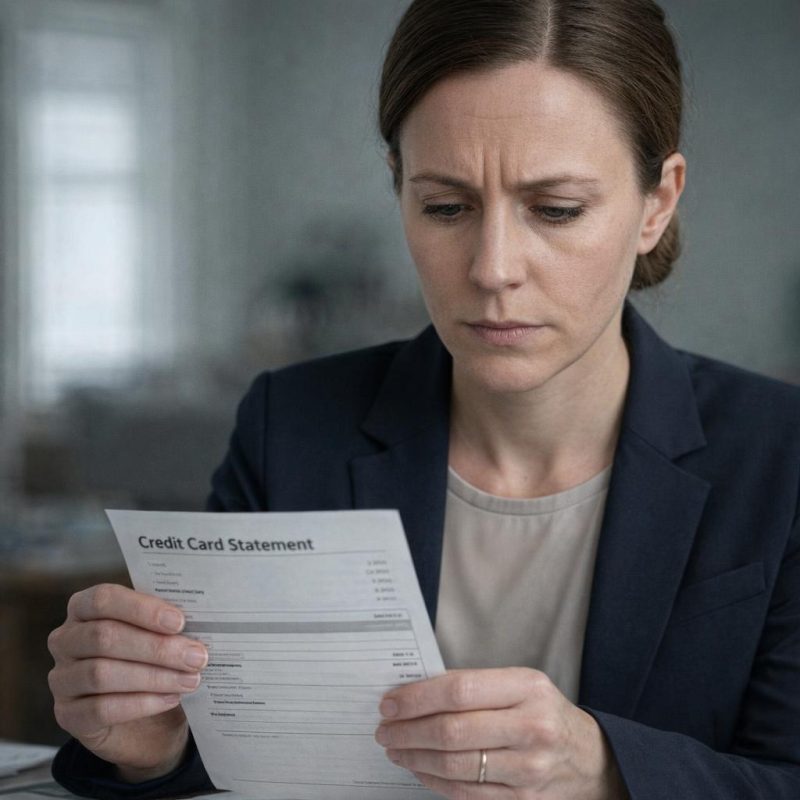 Image by RM AI
The Demand
My mother was still talking when I realized I had stopped feeling anything except a kind of cold, clarifying calm. She wanted the payments restored. All of them — the mortgage, the utilities, Emily's boutique account, Liam's tuition, the household allowance she'd been drawing for years without ever once calling it what it was. She said I was destroying the family. She said Emily's wedding plans were falling apart and that was on me. She used the word cruel. She said family takes care of family, as if that principle had ever applied in my direction. Not once in that entire conversation did she say she was sorry. Not once did she acknowledge what they had done, what they had hidden, what they had spent. She just kept circling back to what she needed from me, wrapping it in obligation and guilt the way she always had, as if the right combination of pressure would eventually produce the result she wanted. But something had shifted. Every demand she made landed differently now — not as weight I had to carry, but as confirmation of everything I already knew. I could feel the last of it going, whatever thread had still connected me to the version of her I'd wanted her to be. Then she said it plainly: restore the money by the end of the week, or she would make sure everyone knew I had abandoned my family.
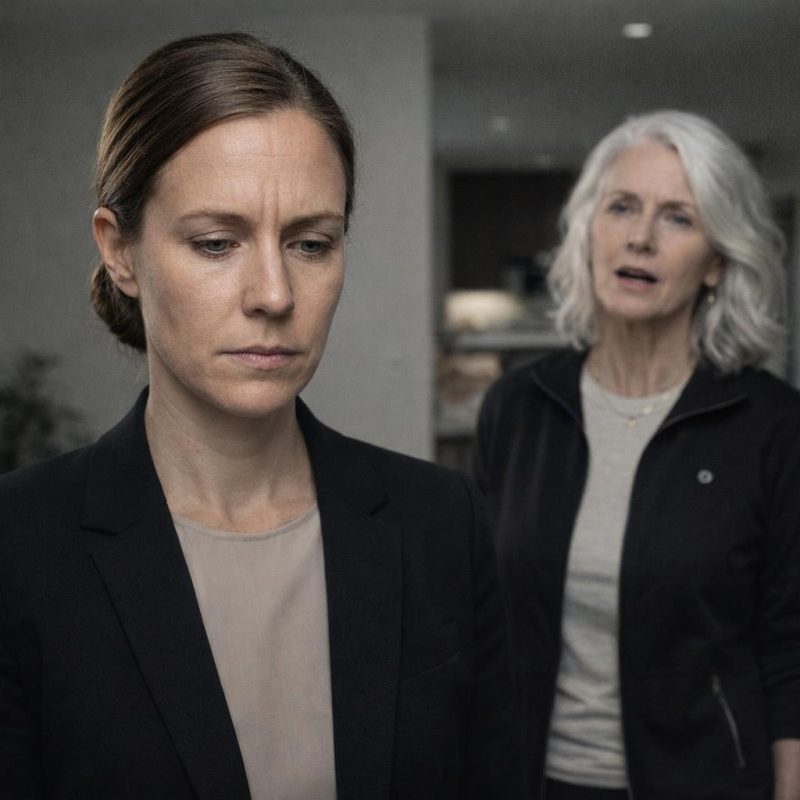 Image by RM AI
Never Another Dime
I let her finish the threat. I didn't interrupt, didn't raise my voice, didn't give her the argument she was clearly waiting for. When she stopped talking, I said it quietly and without any particular emotion: there would be no more money. Not a restoration, not a partial amount, not a conversation about it later. Nothing. I told her I was done. She started again immediately — her voice climbing, pulling out every register she had, guilt and anger and wounded disbelief cycling through in quick succession. I didn't wait for her to finish. I didn't explain myself further or justify the decision or soften it with anything. I just said, "Don't call this number again," and ended the call. I set the phone down on the kitchen counter and stood there for a moment, waiting to feel something I recognized — regret, grief, the familiar pull of guilt she had always been so good at producing in me. None of it came. What came instead was something I hadn't felt in a long time, maybe ever: the specific, quiet relief of a decision that was entirely my own, made for no one else, answerable to no one. The call log showed her name at the top. I blocked the number, and the screen went still.
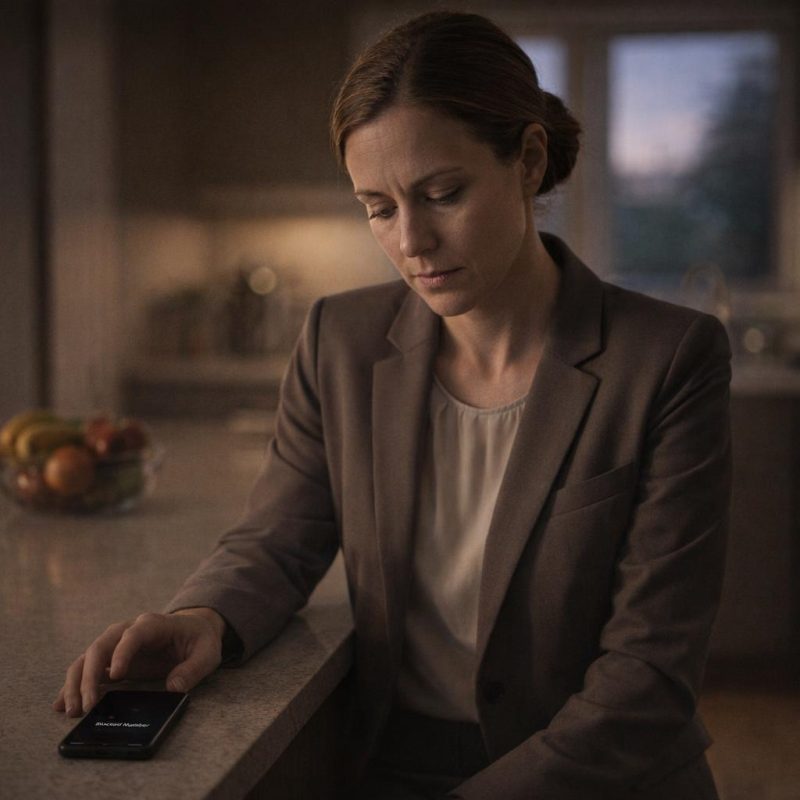 Image by RM AI
The New Number
I called my phone provider that same night. I didn't sleep on it, didn't make a list of pros and cons, didn't give myself time to talk myself out of it. I just pulled up the account and requested a complete number change. The representative walked me through it with the kind of cheerful efficiency that felt almost absurd given what I was actually doing — dismantling the last open line between me and my family. While I waited for the confirmation, I went through my contacts and sent the new number to my supervisor, two colleagues I worked with daily, and my lawyer. That was the entire list. No cousins, no old family friends, no one who might pass it along. When the confirmation came through and the new number activated, I set the phone on the nightstand and looked at it for a moment. It was just a phone. A rectangle of glass and metal sitting in the dark. But it was also, in the most practical sense, a door I had just locked from the inside. No one from my family had that number. No one from my family could reach me unless I chose to let them. For the first time in longer than I could remember, the silence around me felt like something I had chosen rather than something that had been done to me.
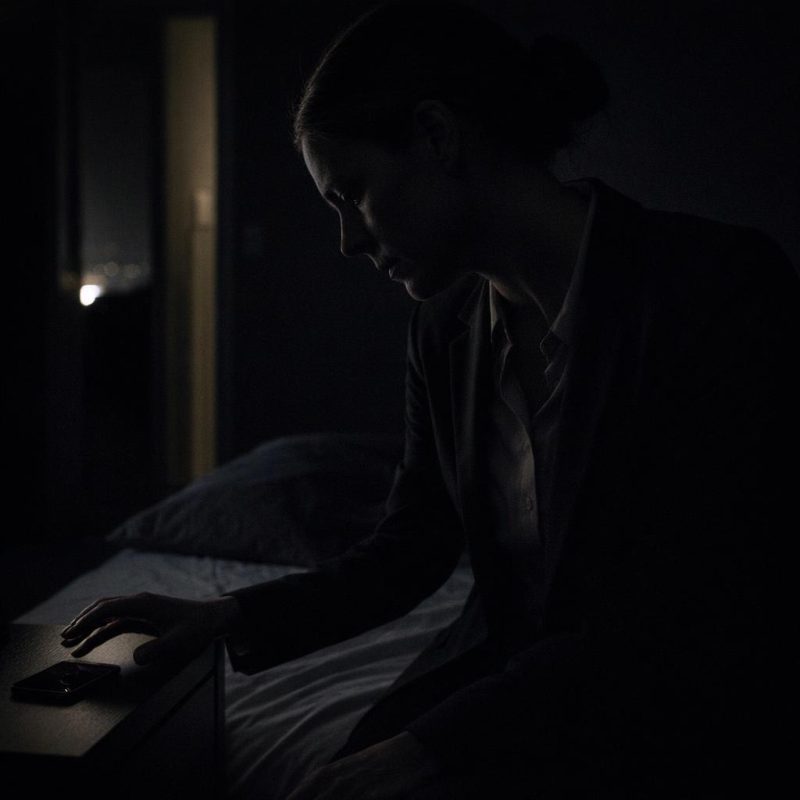 Image by RM AI
Legal Separation
I had the consultation scheduled within forty-eight hours. I'd spent an evening pulling together everything — account statements, transfer records, the joint utility accounts still technically in both my name and my parents', the boutique business account I'd co-signed years ago when my mother had asked me to, framing it as a formality. I sent the documentation to the lawyer's office before the call even started. She was thorough and unhurried, and she didn't ask me to explain the family dynamics or justify why I wanted out. She just worked through the list methodically, flagging each tie and confirming what it would take to sever it cleanly. The boutique account would require a formal dissolution filing. The joint utility accounts could be removed with written notice. The mortgage co-signature was the most involved, but she said it was manageable given the payment history and the documentation I'd provided. I authorized everything on that call — every filing, every notice, every step. When she confirmed that all financial ties could be fully and permanently severed within thirty days, I wrote it down in my notebook the way I would have noted any other project milestone. Thirty days. I closed the notebook and set it on the desk beside the stack of documents, and the number sat there on the page, clean and finite and entirely within reach.
 Image by RM AI
Permanent Transfer
My supervisor had mentioned the overseas position twice before, and both times I'd deflected — too much going on, not the right moment, maybe later. When she brought it up a third time, I didn't deflect. I asked her to send me the full details. I read through the contract that evening at my kitchen table, and I kept waiting for the part where I'd feel hesitation, where some internal voice would remind me of all the reasons to stay. It didn't come. The city I'd built my life in was full of places I associated with people who had spent years taking from me. The apartment I lived in was fine, but it wasn't mine in any way that mattered. My lease was month-to-month. My furniture was minimal. I had been living, I realized, like someone who had never quite committed to being here. The overseas position was permanent, well-compensated, and in a city I'd visited once and liked immediately. I emailed my supervisor that night to accept. She replied within the hour, clearly pleased, and attached the extended contract for my signature. I printed it, signed every page, and scanned it back before I went to bed. The signed pages sat in my outbox, and for the first time in weeks, what I felt when I thought about the future wasn't dread — it was something that resembled, cautiously, the beginning of wanting something for myself.
 Image by RM AI
The Blocked Attempts
The first one to try was my mother, which surprised no one, least of all me. A colleague mentioned it almost apologetically one morning — that a woman had called the main office line asking to be connected to me, saying it was a family emergency. I thanked her, told her calmly that I wasn't accepting personal calls at work and that if anyone from my family contacted the office again, she should let them know I wasn't available and leave it there. She nodded and didn't ask questions. My father tried through a professional networking platform two days later — a connection request with a message attached that I didn't read before archiving and blocking the profile. Emily went through someone we'd both known in college, a mutual acquaintance who sent me a message saying Emily had reached out and hoped I'd be willing to talk. I removed the acquaintance from my contacts. Liam sent an email to my work address with a subject line that said just "please." I deleted it without opening it. Each attempt landed with less weight than the one before it. I wasn't angry. I wasn't moved. I was simply maintaining a boundary the way you maintain any other system — consistently, without drama, without negotiation. Then one afternoon my desk colleague stopped by and said, quietly, that someone had called again and this time left a message saying it was urgent.
 Image by RM AI
The Consequences Unfold
The information came in pieces, from people who had no idea they were delivering it. A former colleague mentioned in passing that she'd driven past my parents' neighborhood and noticed a notice posted at the house — the kind that doesn't mean anything good. I didn't ask her to elaborate. A woman I'd worked with briefly two years ago sent me a link to a social media post without comment, and when I clicked it, I saw that Emily's boutique was having a closing sale — everything marked down, the caption cheerful in the way that captions are when the reality underneath them isn't. And then an acquaintance from my university years mentioned, almost as an aside in a longer conversation, that he'd run into someone who knew Liam and that Liam had apparently left school. I absorbed each piece the same way I would have absorbed a quarterly report showing results I had already projected. I had known, in the abstract, that the money stopping would have consequences. I had understood that the structure they had all been living inside was one I had built and maintained, and that without it, things would shift. Seeing it confirmed didn't produce guilt. It didn't produce satisfaction either. It just sat there in front of me, factual and unsurprising — the foreclosure notice, the closing sale, Liam's withdrawal from university, each one a line item in an accounting that had finally, after ten years, started to balance.
 Image by RM AI
The Postponed Wedding
My cousin posted again. I almost missed it — I'd muted most of her content by then, but this one came through a tag on an old photo, and the notification pulled me in before I could stop it. The post was vague in the way that posts are when someone is trying to be discreet while still being public about it: something about plans changing, about timing not being right, about love being patient. The comments were full of supportive responses from people who clearly didn't know the details. I scrolled through them with the same detachment I'd been carrying for weeks. Emily and my ex-fiancé Greg had postponed the wedding. No date given, no explanation beyond the soft language of circumstances. I sat with that for a moment — not because it hurt, but because of the particular shape of it. The engagement they had celebrated, the ring I had effectively paid for, the boutique funded by my transfers, the dinners and weekends and courtship I had unknowingly bankrolled — all of it had been building toward a wedding that now, without my money flowing into the system, apparently couldn't happen on schedule. I closed the app and set my phone face-down on the desk. Somewhere across the city, the celebration they had built on my decade of work was on hold indefinitely — and I felt absolutely nothing about it.
 Image by RM AI
Father's Final Attempt
The letter arrived at my office on a Tuesday, forwarded through the building's mail system with my full professional title on the envelope. My father's handwriting — careful, slightly cramped — was unmistakable. I sat with it unopened for about ten minutes, turning it over once, then set it on the corner of my desk and finished the report I was working on before I touched it again. When I finally opened it, the contents were more or less what I'd expected. He wrote about the family going through a difficult time. He wrote about how my mother's health had been affected by the stress. He wrote about the importance of family unity and how he hoped I would consider coming back into the fold, for everyone's sake. He did not write the word sorry. Not once. Not in any form. There was no acknowledgment of what had been done, no recognition of what a decade of my income had actually funded, no mention of Greg or the engagement or the boutique or any of it — just a quiet, careful request that I return to a version of normal that had never actually existed. I read it through once, folded it back along its original creases, and fed it into the office shredder. I did not write back.
 Image by RM AI
New Foundations
The apartment was on the fourth floor of a building two blocks from the waterfront, and the afternoon light came through the west-facing windows in long, flat panels that shifted across the floor as the day moved. I signed the lease on a Thursday and picked up the keys the same afternoon. There was no one to consult, no one to check with, no one waiting on the other end of a phone call to weigh in on the neighborhood or the rent or the color of the walls. I bought a small couch in a shade of green I'd always liked and never been able to justify. I bought a coffee table that was slightly too expensive and entirely impractical and exactly what I wanted. I learned which bakery opened earliest and which market had the best produce and which route to the office took me past the canal. Colleagues invited me to lunch, then to a weekend market, then to a low-key dinner at someone's apartment near the university. I went to all of it. Slowly, without ceremony, the city began to feel less like a destination and more like a place I actually lived. On a Sunday evening about six weeks in, I sat on my green couch with a cup of tea and watched the light go flat and orange over the rooftops, and the quiet around me felt like something I had earned.
 Image by RM AI
Money of My Own
The first paycheck that landed in my account with no transfer scheduled on the other end of it was a strange thing to look at. I sat at my kitchen table with my laptop open and just stared at the number for longer than made sense. For ten years, a significant portion of every paycheck had moved out almost before it arrived — tuition, rent, grocery top-ups, the boutique's early shortfalls, my mother's various expenses that were never quite explained and never quite stopped. I had stopped thinking of my income as mine a long time ago. It had just been a pipeline. Now it sat there, whole, and it belonged entirely to me. I opened a savings account that afternoon — just my name, no secondary contacts, no linked family accounts. I transferred a portion in and watched the balance sit there like something solid. A few days later I booked a long weekend in a coastal town I'd read about, nothing extravagant, just a room and a few days with no agenda. I bought a good pair of walking shoes for the trip without doing the mental math I used to do before any personal purchase. The weight I hadn't fully noticed until it was gone had been there so long it had started to feel like just the way things were. Sitting at that kitchen table, I understood for the first time what it actually felt like to have built something only for myself.
 Image by RM AI
The Freedom I Found
There were things I had lost, and I didn't pretend otherwise. I had lost the version of my family I'd spent a decade trying to hold together with my own labor. I had lost the belief that the people who raised me saw me as something other than a resource. I had lost years of my own financial growth, years of choices I hadn't made because I was too busy funding other people's lives. The grief of it was real, and I let it be real without dressing it up as something else. But I had also gained things I hadn't known I was missing. I had gained mornings that belonged to me. I had gained the particular quiet of a space no one else had claim to. I had gained the ability to make a decision — any decision, small or large — without calculating its effect on people who had never once calculated the effect of their decisions on me. I understood now that my worth had never been in what I could provide. It had taken losing everything I thought I was providing for to finally see that clearly. The betrayal had been real. The loss had been real. And the life I was building on the other side of it — slowly, carefully, entirely on my own terms — was the most real thing I had ever had.
 Image by RM AI
KEEP ON READING

The story of Ching Shih, the Woman Who Became the…
Unknown author on WikimediaFew figures in history are as feared…
By Emilie Richardson-Dupuis Dec 29, 2025
Einstein's Violin Just Sold At An Auction—And It Earned More…
A Visionary's Violin. Wanda von Debschitz-Kunowski on WikimediaWhen you hear…
By Ashley Bast Nov 3, 2025
This Infamous Ancient Greek Burned Down An Ancient Wonder Just…
History remembers kings and conquerors, but sometimes, it also remembers…
By David Davidovic Nov 12, 2025
The Mysterious "Sea People" Who Collapsed Civilization
3,200 years ago, Bronze Age civilization in the Mediterranean suddenly…
By Robbie Woods Mar 18, 2025
20 Greatest Ancient Athletes In History
Ancient Olympics. Long before modern stadiums and multimillion-dollar endorsements, athletes…
By Sara Springsteen May 1, 2026
20 Soldiers Who Defied Expectations
Changing the Rules of the Battlefield. You’ve probably heard plenty…
By Annie Byrd Feb 10, 2026