

20 People In History Who Were Betrayed By Their Closest Allies
When Trust Became the Dangerous Part
History is full of enemies doing enemy things, which is at least predictable. The really painful stories are the ones where the danger came from inside the circle: a friend, relative, adviser, fellow revolutionary, military partner, or political ally who knew exactly where to strike. Some betrayals ended in murder, while others led to exile, imprisonment, ruined reputations, or lost thrones. Here are 20 people in history who were betrayed by those closest to them.
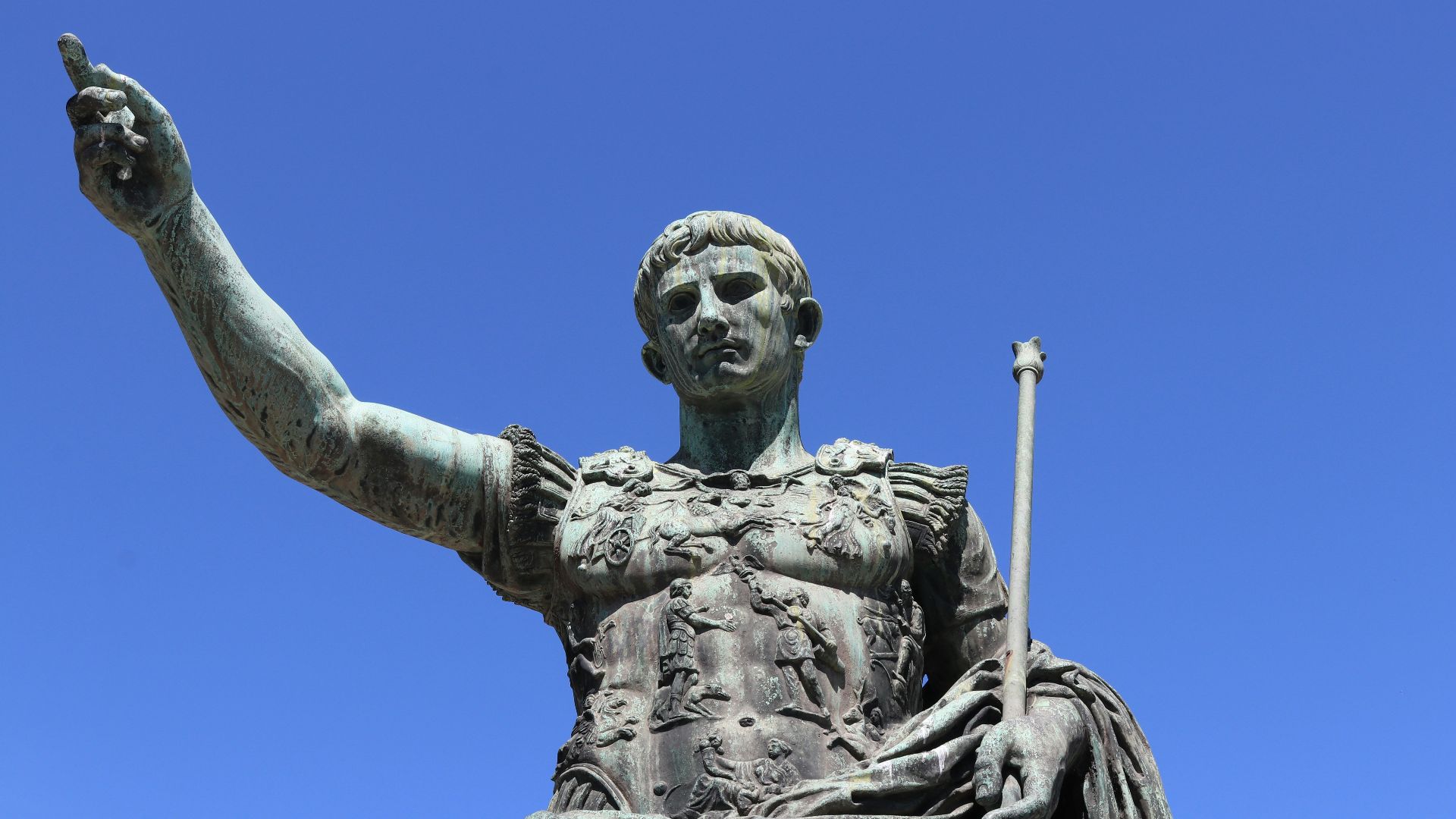
1. Julius Caesar
Julius Caesar had plenty of enemies, but the betrayal that made history came from men he knew well. Marcus Junius Brutus and Gaius Cassius Longinus joined the conspiracy that assassinated him in 44 BCE. Brutus, in particular, became the symbol of personal betrayal because Caesar had shown him favor and trusted him politically.
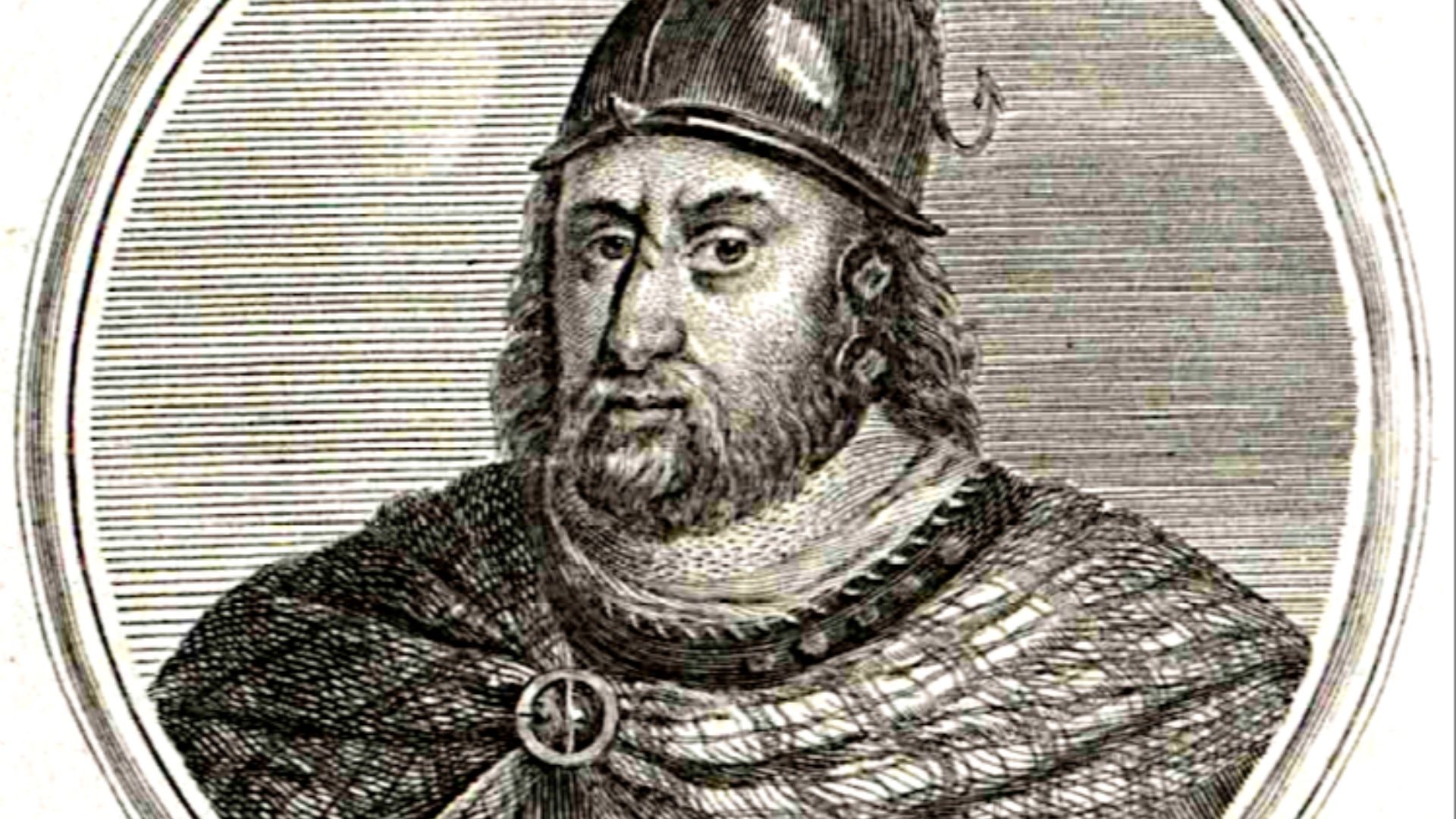
2. William Wallace
William Wallace spent years resisting English rule and became one of Scotland’s most famous national heroes. In 1305, he was captured near Glasgow, with tradition naming Sir John de Menteith as the man who betrayed and handed him over. Some historians debate the exact details and how close the two men really were, but the story stuck hard in Scottish memory.
 El cid, el campeador on Wikimedia
3. Thomas Becket
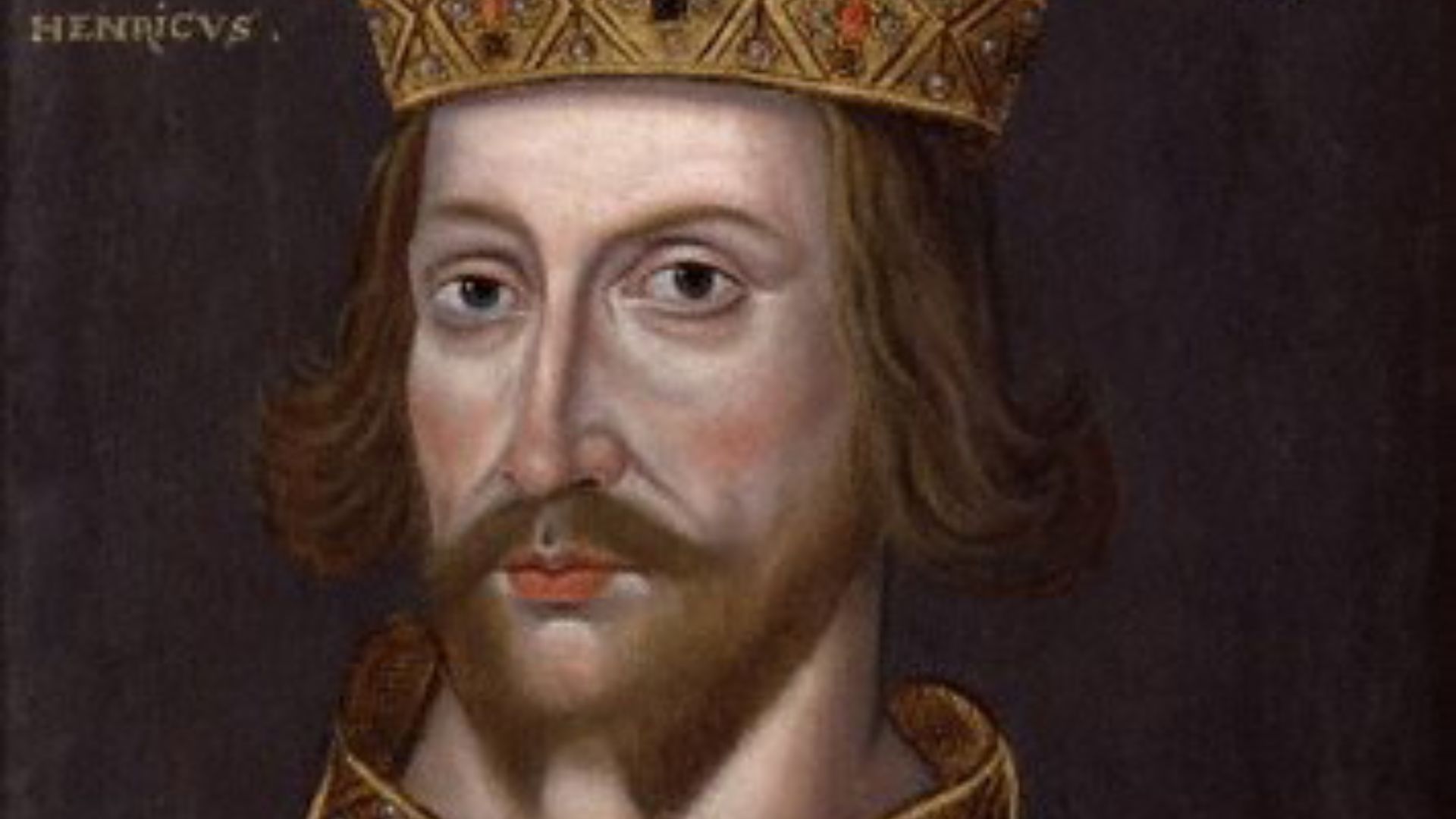
Thomas Becket and King Henry II started as close companions before Henry made him the Archbishop of Canterbury. Henry expected loyalty, but Becket took his church role seriously and began resisting the king’s attempts to control church authority. Their friendship collapsed into a bitter public feud that ended with Becket murdered in Canterbury Cathedral by knights who believed they were acting for the king.
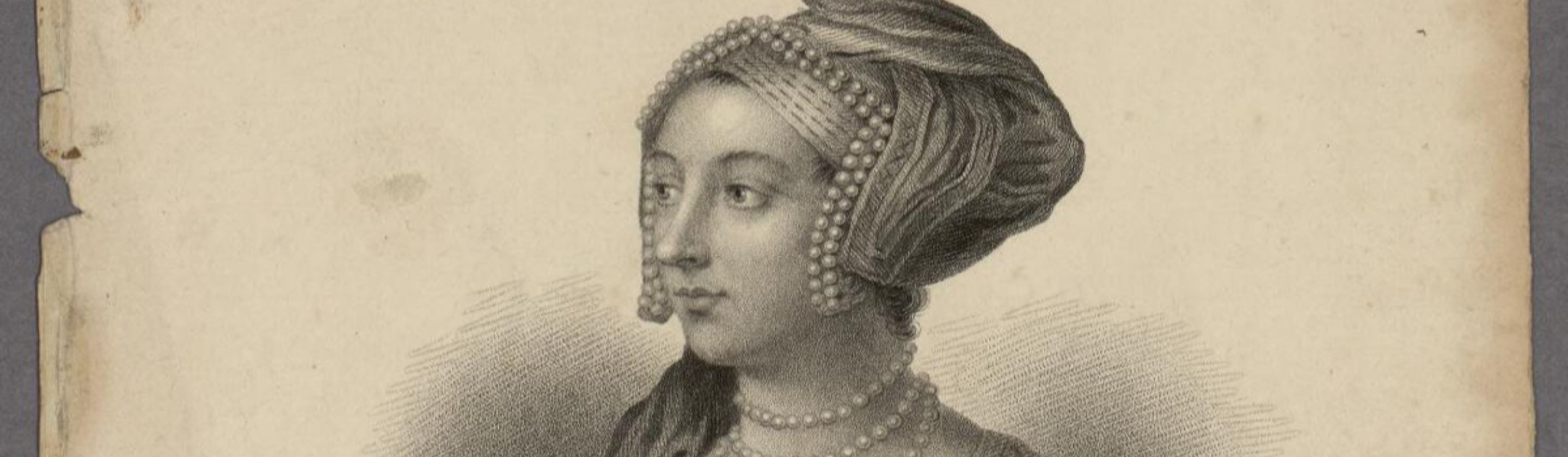
4. Anne Boleyn
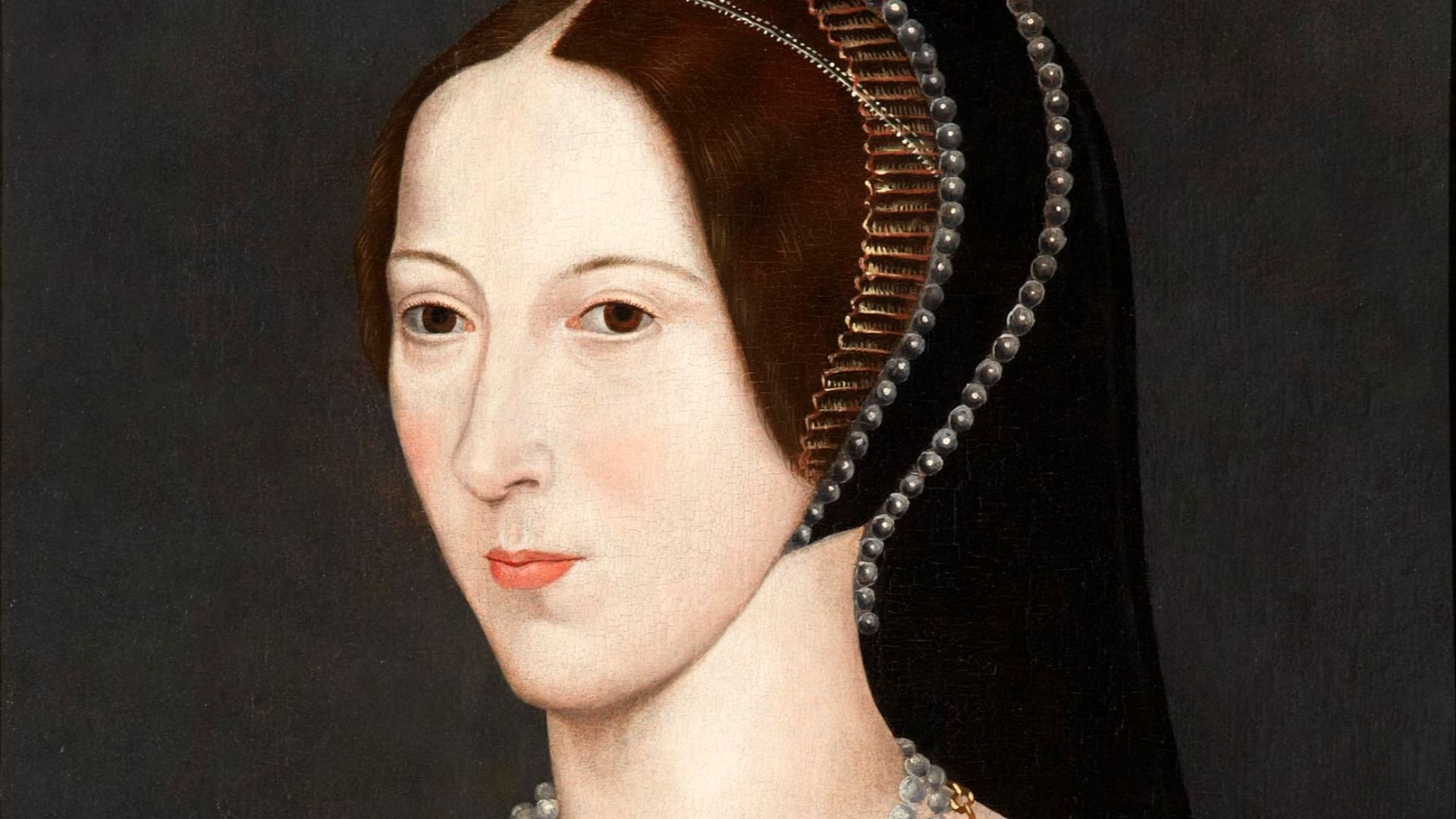
Anne Boleyn helped change England’s religious and political future, but her position depended heavily on Henry VIII’s affection and Thomas Cromwell’s political usefulness. When she failed to produce a surviving son and clashed with Cromwell, the people who once benefited from her rise helped engineer her fall. She was accused of adultery, incest, and treason, then executed in 1536.
5. Richard III
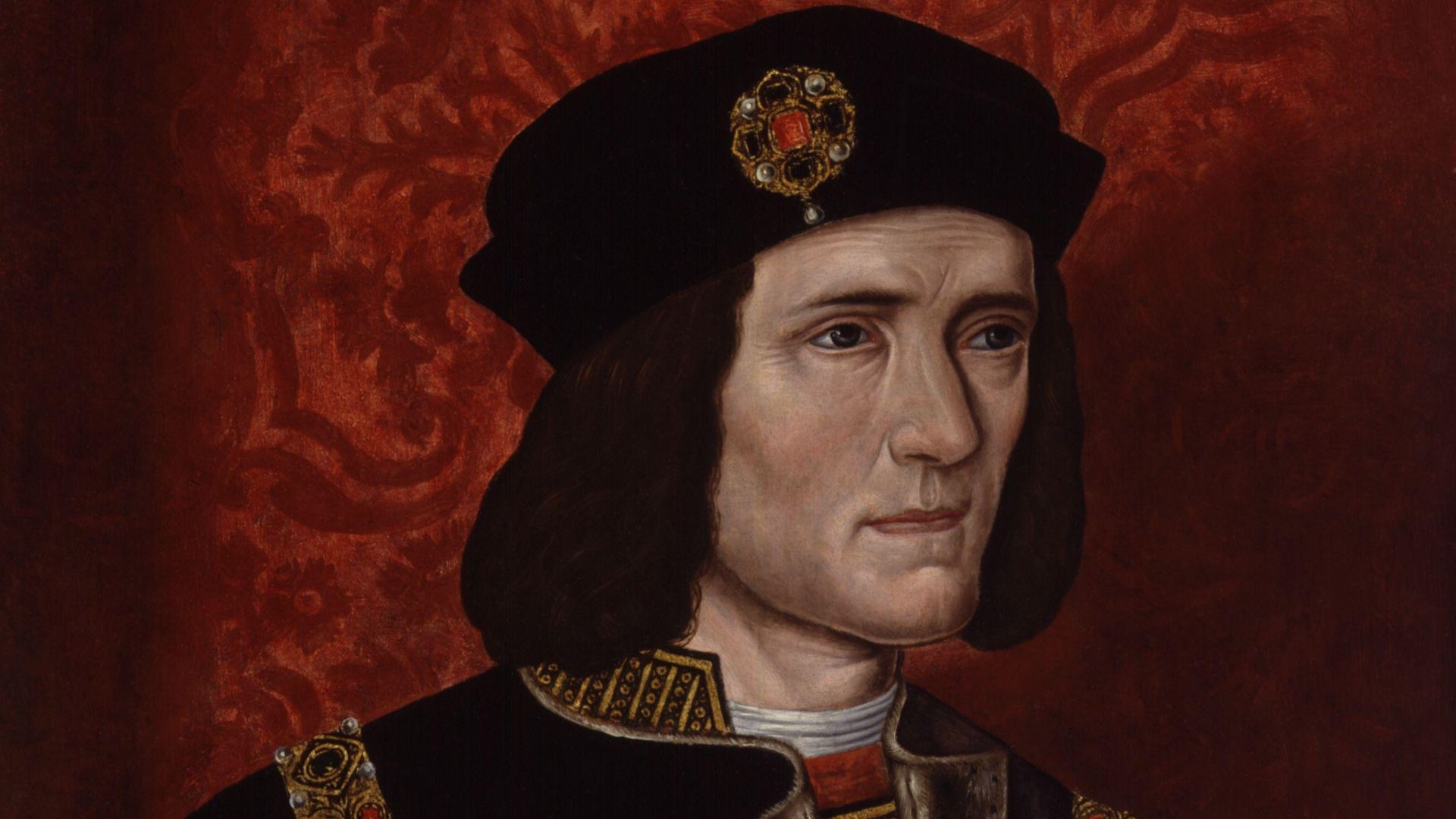
Richard III entered the Battle of Bosworth expecting support from powerful nobles who had served under him. The Stanley family, especially Lord Thomas Stanley and Sir William Stanley, held back until the crucial moment and then backed Henry Tudor. That decision helped doom Richard on the battlefield and brought the Tudor dynasty to power.
6. Shaka Zulu
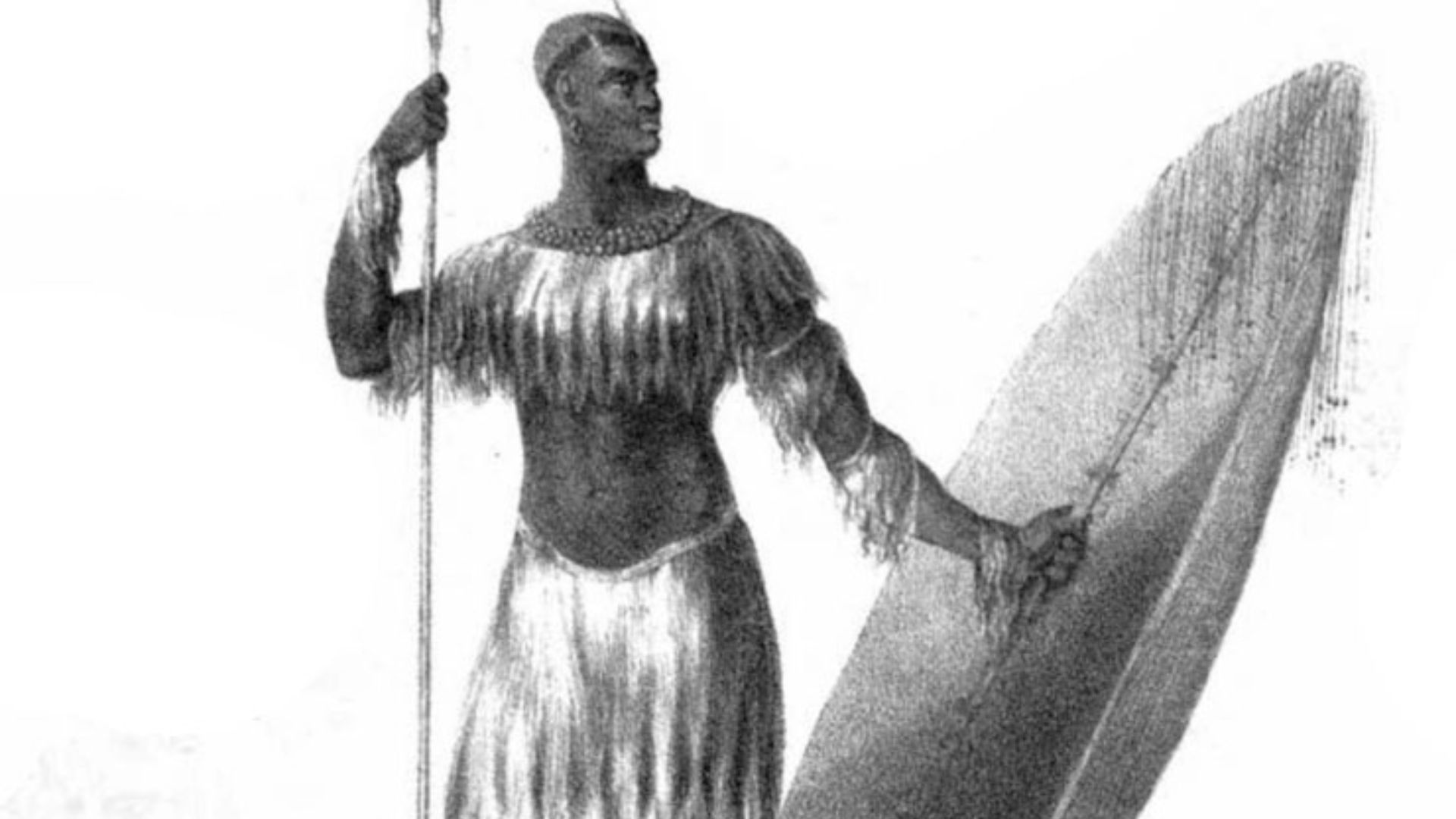
Shaka built the Zulu Kingdom into a major military power, but his later rule created fear even among those closest to him. In 1828, he was assassinated by a group that included his half-brothers Dingane and Mhlangana. The betrayal came from inside his own family and political circle, which made it especially brutal.
7. Francisco Pizarro
Francisco Pizarro and Diego de Almagro were once partners in the conquest of Peru. Their alliance fell apart over power, territory, and wealth, and Almagro was eventually executed after a civil conflict between the Spanish factions. In 1541, supporters of Almagro’s son stormed Pizarro’s palace in Lima and killed him.
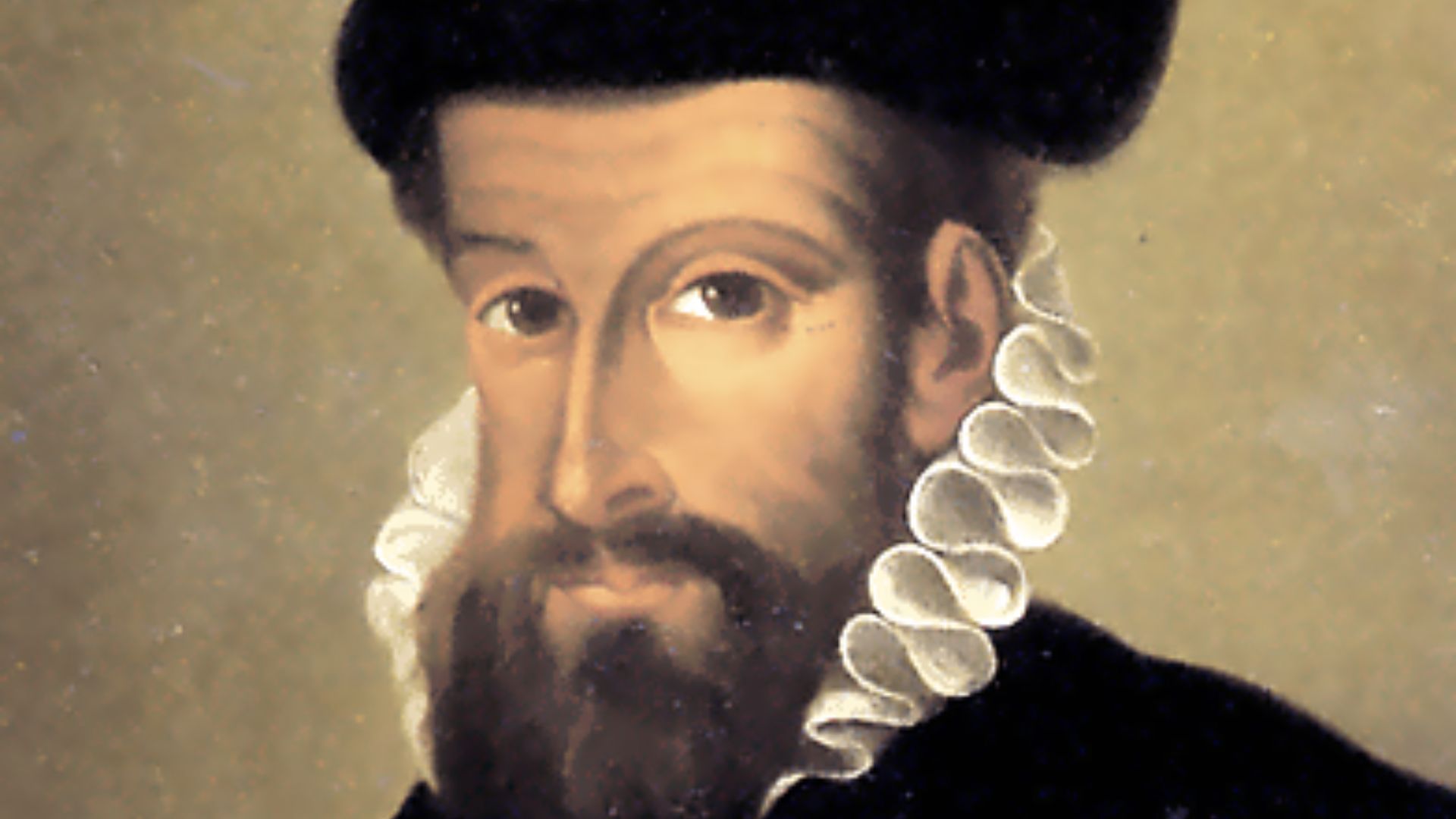 Unidentified painter on Wikimedia
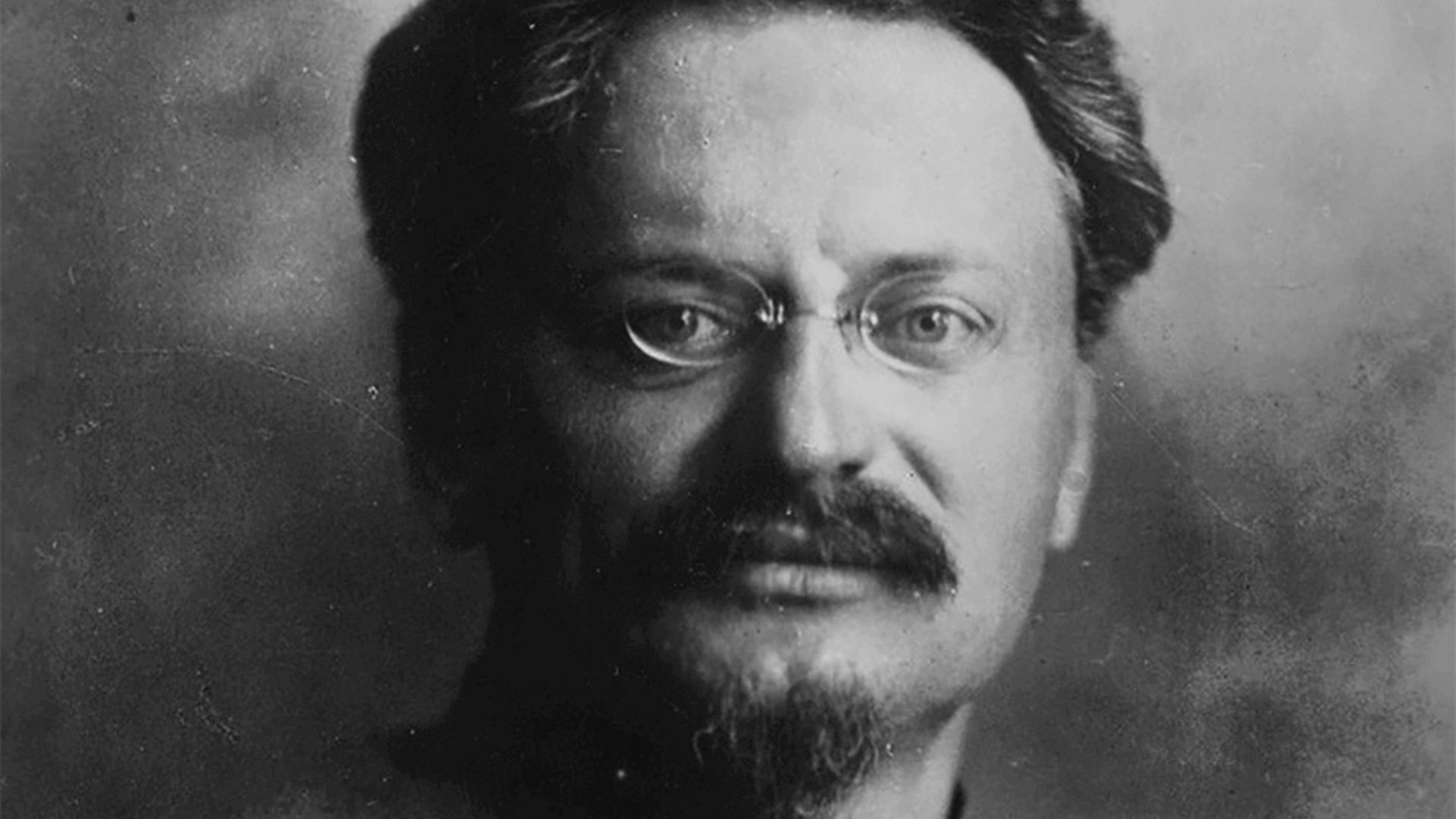
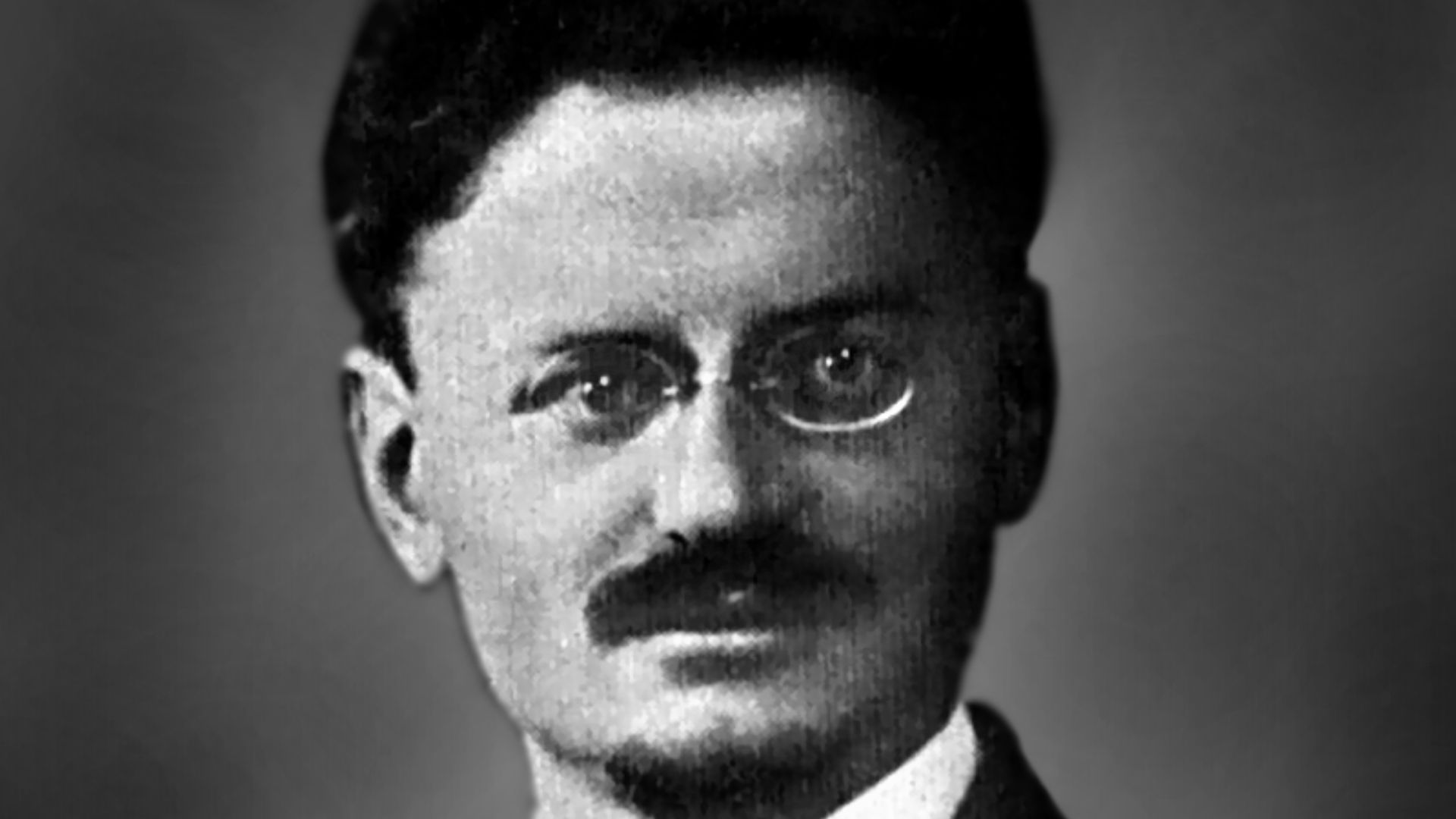
8. Leon Trotsky
Leon Trotsky was one of the key figures of the Russian Revolution and helped build the Red Army. After Lenin’s death, his rivalry with Joseph Stalin turned deadly serious, even though both had once been leading Bolshevik comrades. Stalin outmaneuvered him, stripped him of power, forced him into exile, and eventually had him assassinated in Mexico in 1940.
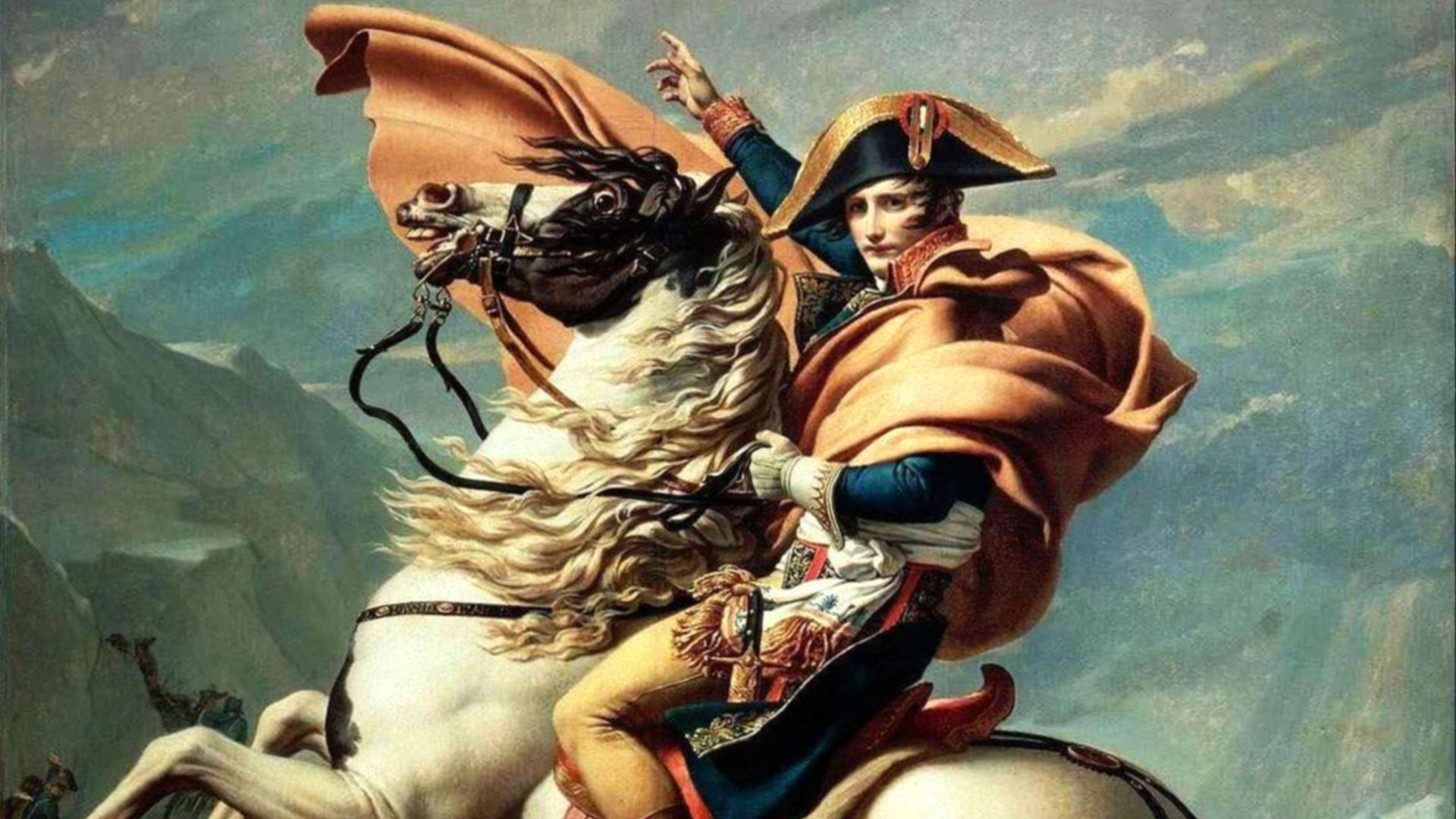
9. Napoleon Bonaparte
Napoleon inspired extraordinary loyalty, but by 1814, many of his closest military and political allies were exhausted by constant war. Marshal Marmont, one of his senior commanders, surrendered Paris and took his troops into Allied lines. Other marshals then pressured Napoleon to abdicate rather than continue fighting.
10. Maximilien Robespierre
Robespierre rose as one of the most powerful figures of the French Revolution, backed by revolutionary colleagues who once shared his goals. During the Thermidorian Reaction in 1794, members of the Convention turned on him and ordered his arrest. The next day, he was executed, and the Reign of Terror collapsed with him.
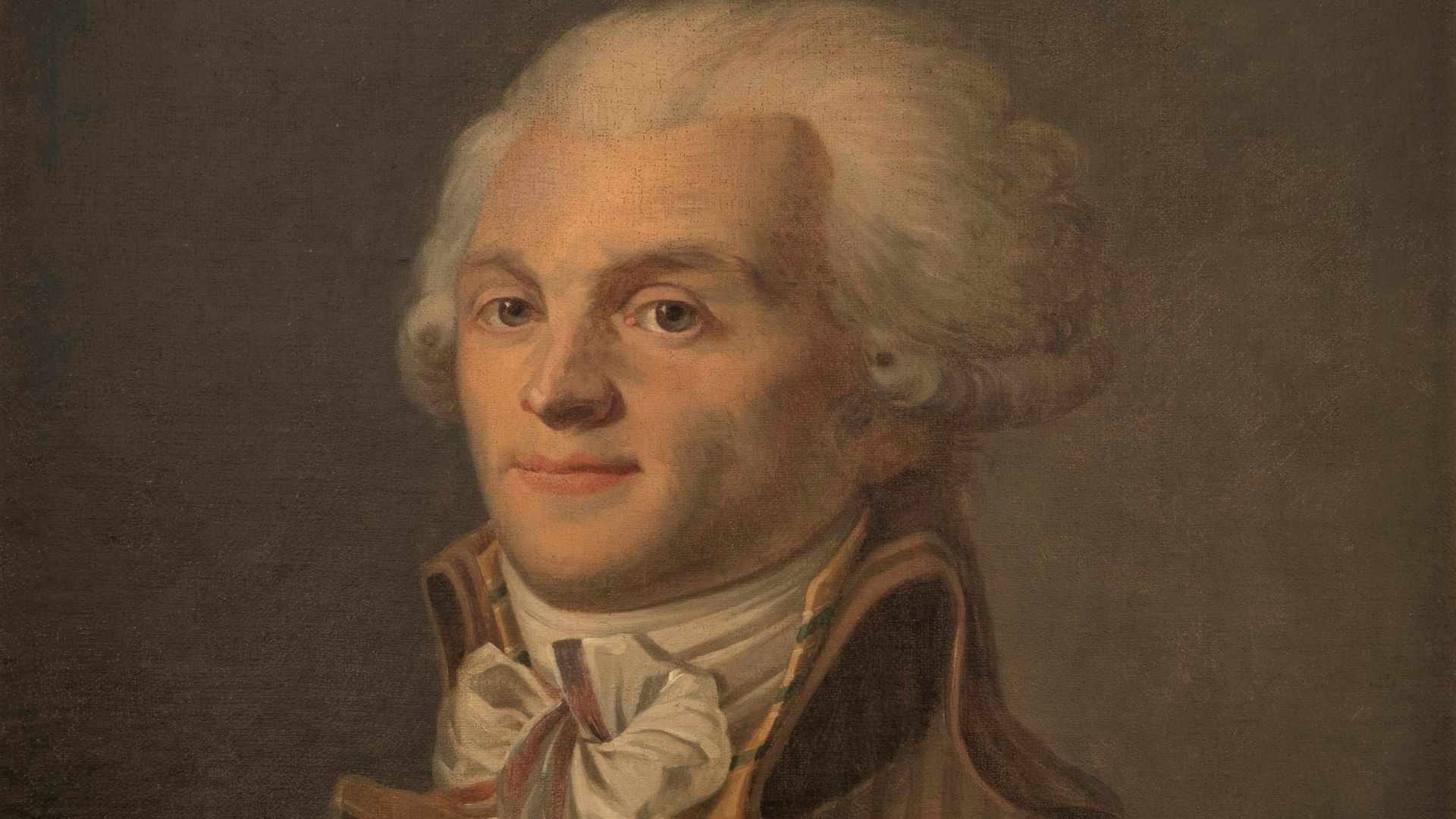 Unidentified painter on Wikimedia
11. Simón Bolívar
Simón Bolívar fought to free much of South America from Spanish rule, but his political dreams created tension with former allies. Francisco de Paula Santander, once Bolívar’s vice president and fellow independence leader, became a major opponent of his centralized rule. After an assassination attempt against Bolívar in 1828, Santander was accused of involvement, sentenced to death, and then exiled after Bolívar spared him.
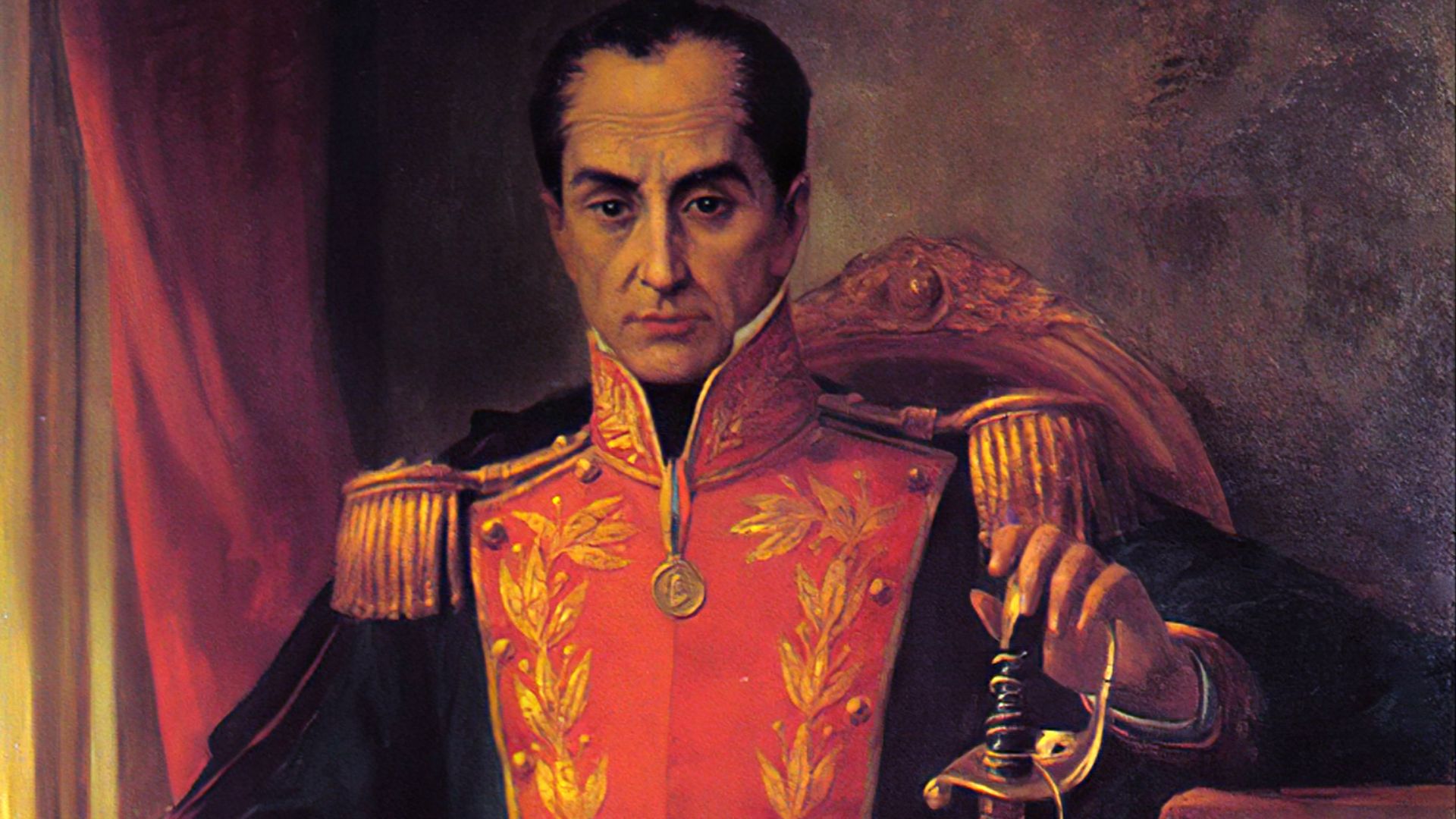 Ricardo Acevedo Bernal on Wikimedia
12. Edward II of England
Edward II’s downfall came partly from the people who should have been closest to him. His wife, Isabella of France, allied with Roger Mortimer and led an invasion that forced Edward from power. Edward was deposed in favor of his young son, Edward III, and later died in captivity.
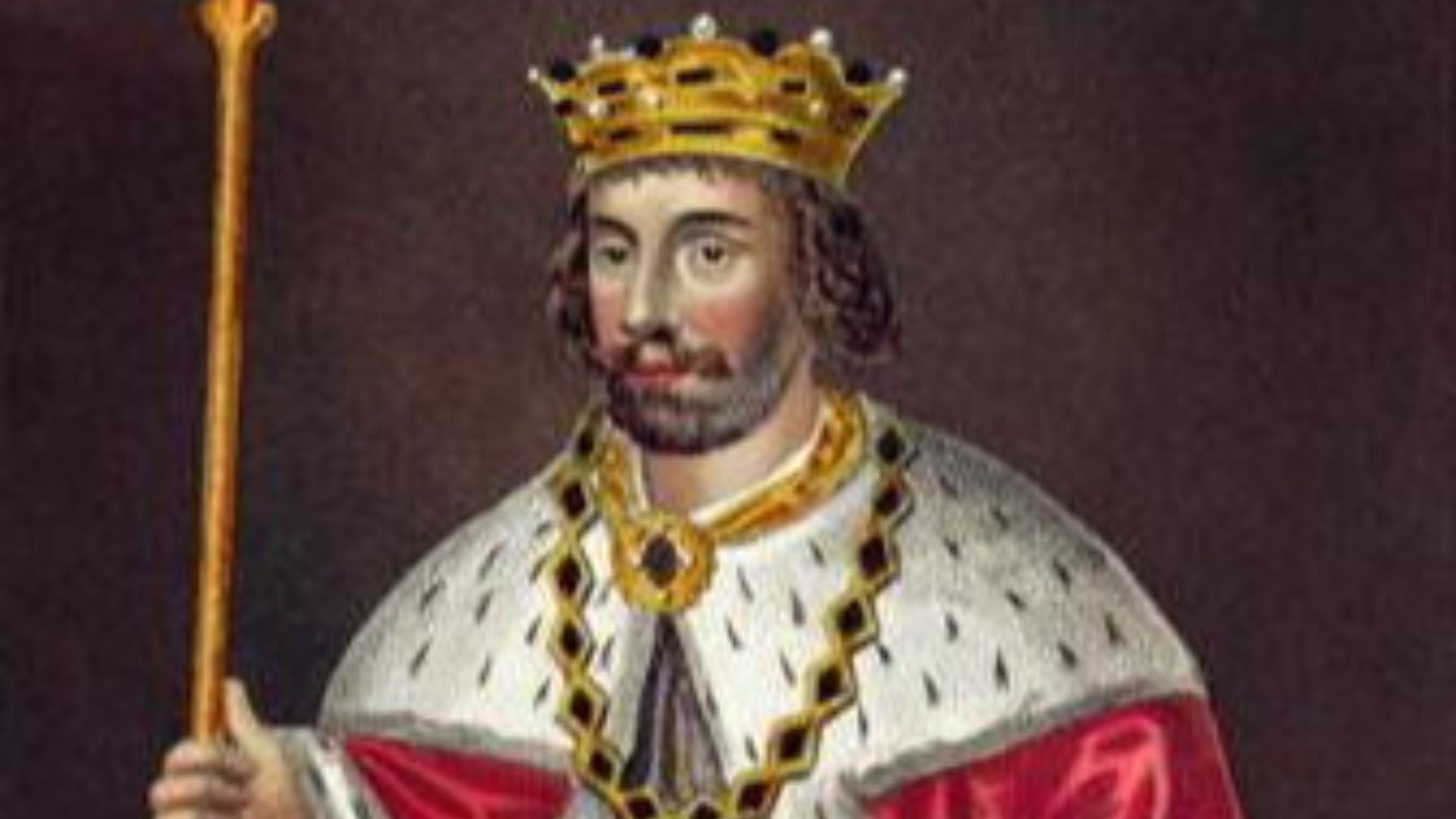 Founder of Oriel College on Wikimedia
13. Mary, Queen of Scots
Mary, Queen of Scots, faced betrayal from nobles, relatives, and political allies throughout her troubled reign. After the murder of her husband, Lord Darnley, and her controversial marriage to the Earl of Bothwell, Scottish lords turned against her. She was forced to abdicate in favor of her infant son, James VI.
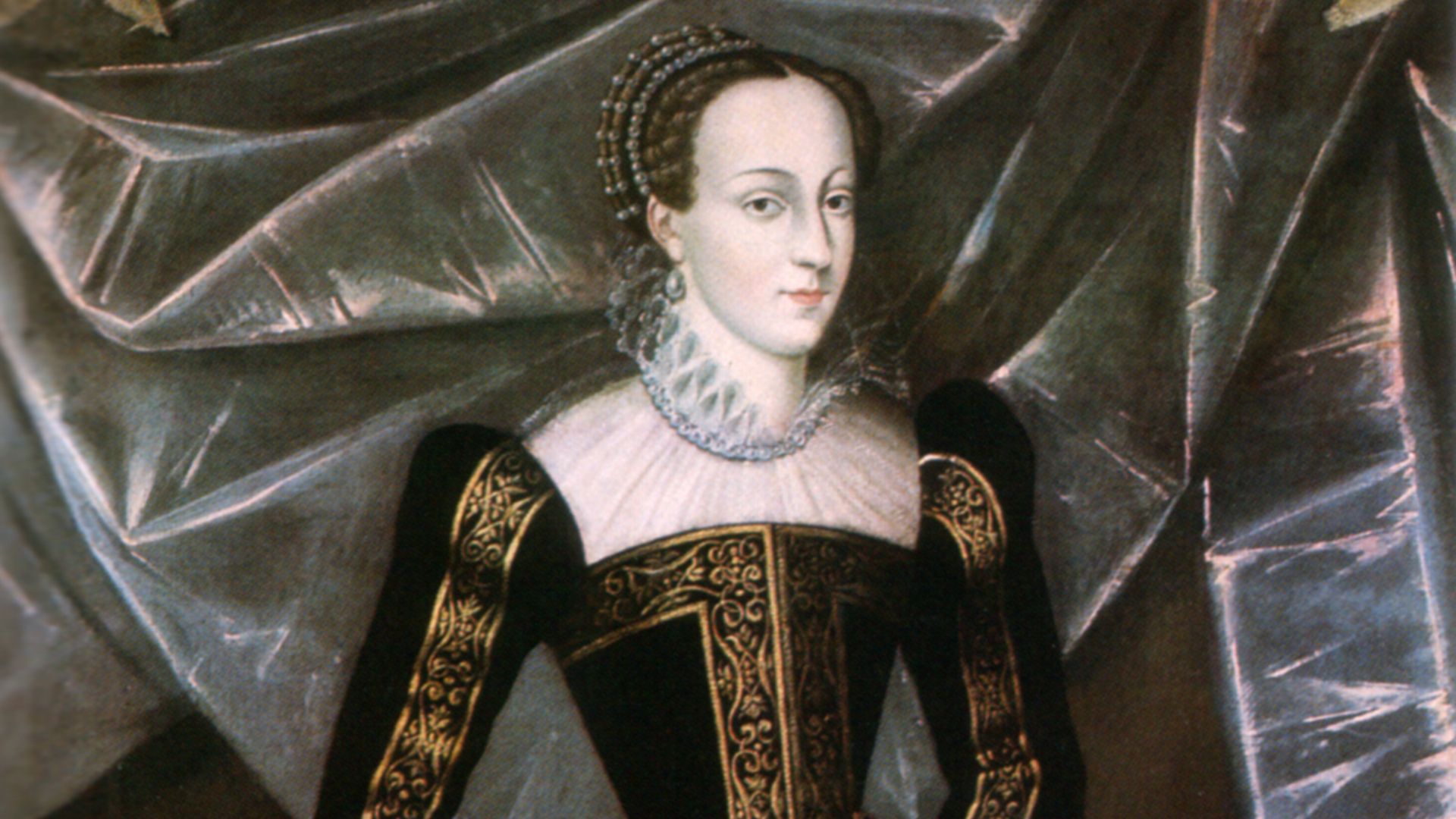 Unidentified painter on Wikimedia
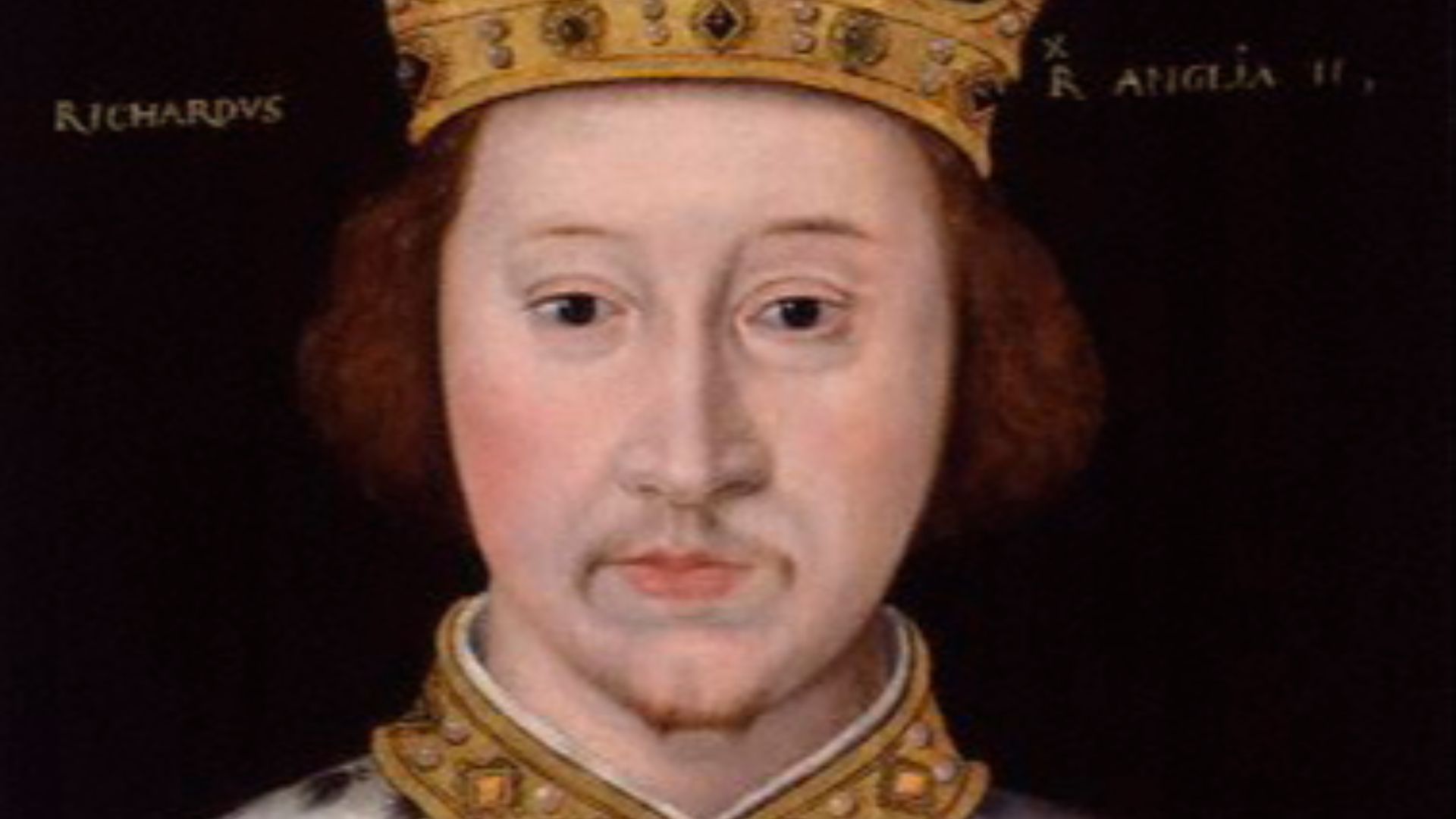
14. Richard II of England
Richard II trusted that royal authority and loyalty would protect him, but his own cousin Henry Bolingbroke had other ideas. Henry returned from exile in 1399 while Richard was away in Ireland and gathered support from discontented nobles. Richard was forced to surrender the throne, and Henry became Henry IV.
15. Thomas More
Thomas More served Henry VIII faithfully as a scholar, lawyer, and lord chancellor. Their relationship collapsed when More refused to support Henry’s break with Rome and recognize the king as the supreme head of the Church of England. Henry, once his patron and friend, had him imprisoned and executed for treason in 1535.
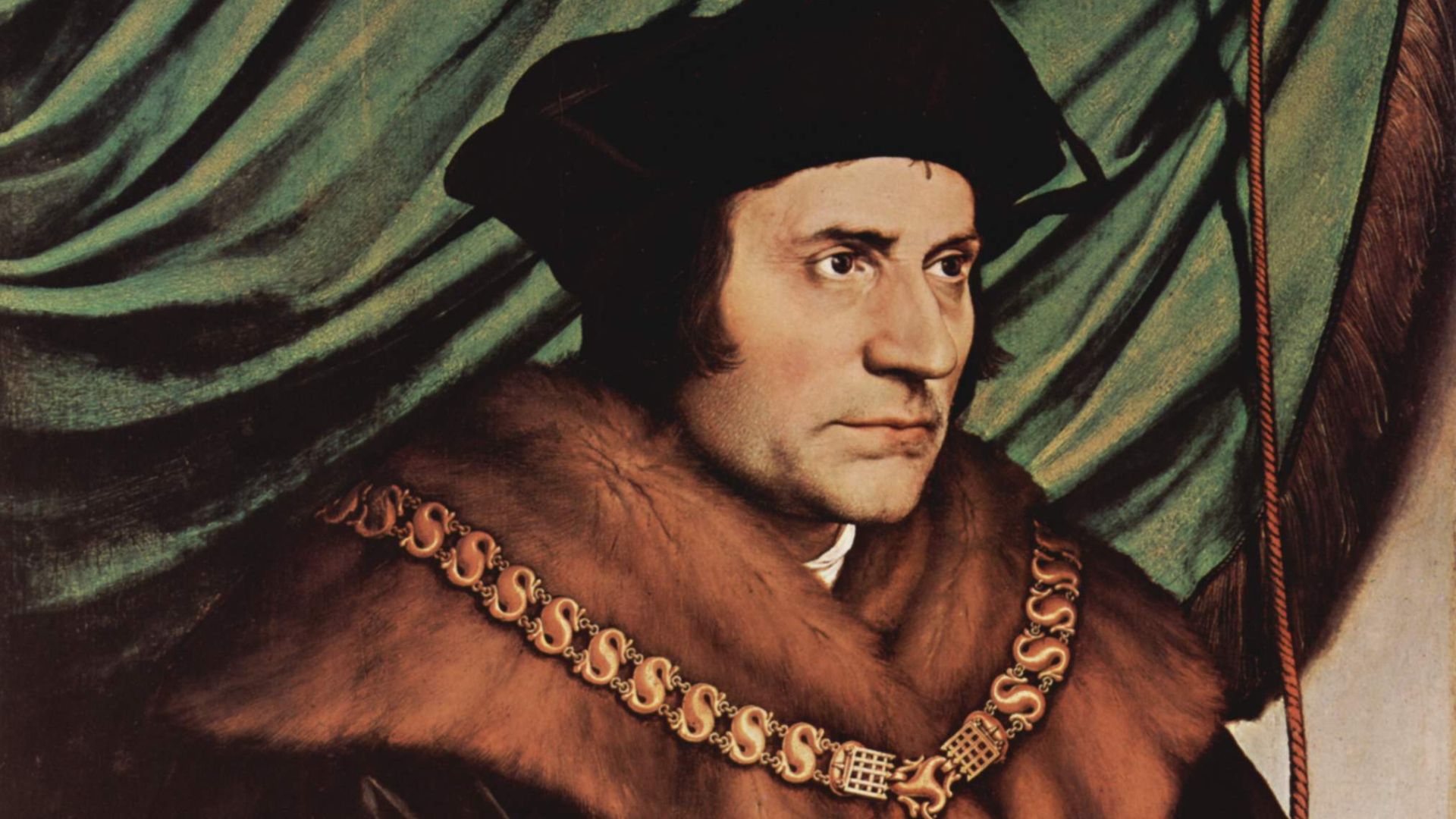 Hans Holbein the Younger on Wikimedia
16. Joan of Arc
Joan of Arc helped Charles VII gain legitimacy and momentum during the Hundred Years’ War. After she was captured by Burgundian forces in 1430, Charles didn't rescue or ransom her, even though her victories had strengthened his claim. She was handed over to the English, tried for heresy, and burned at the stake in 1431.
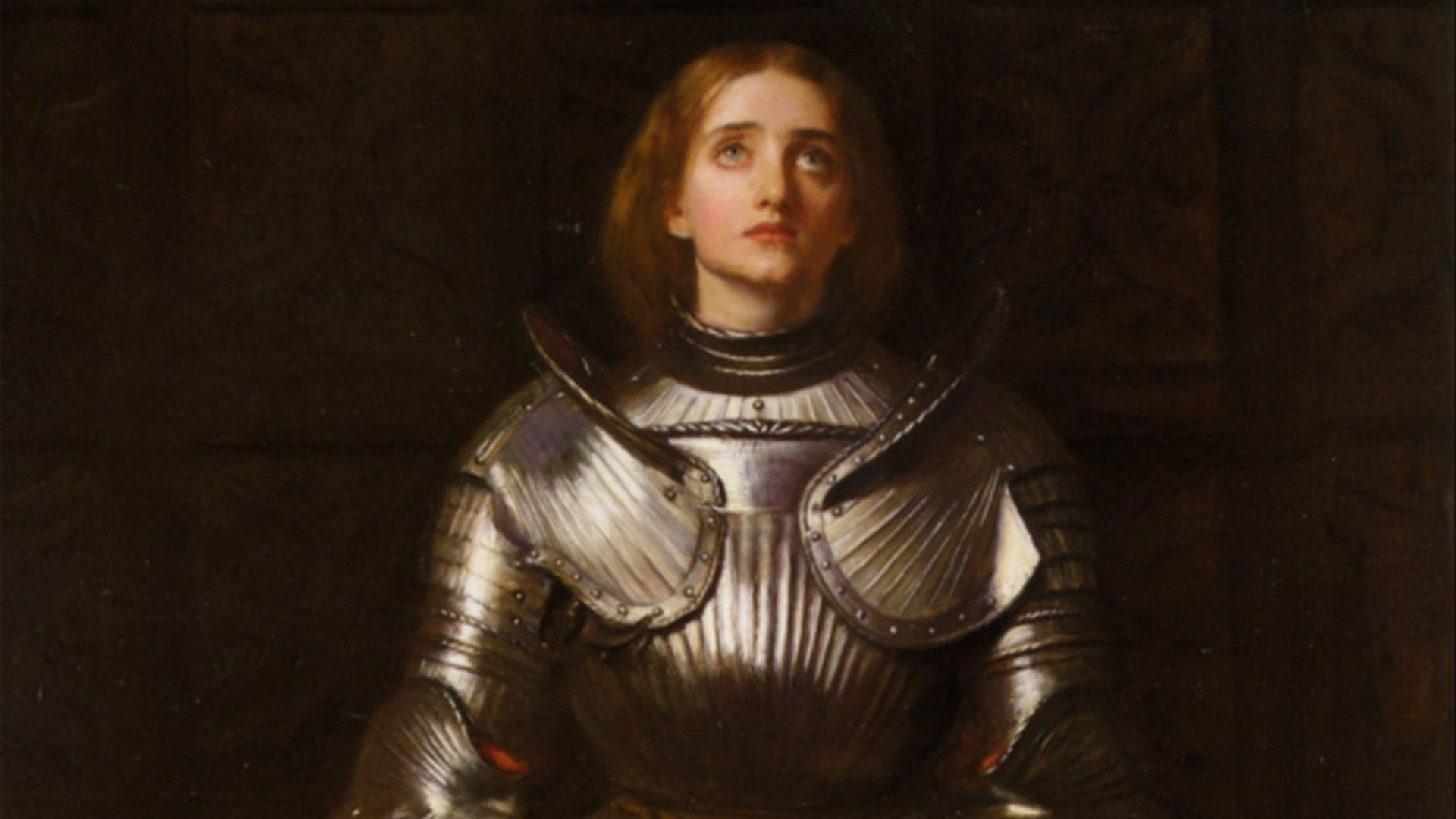 John Everett Millais on Wikimedia
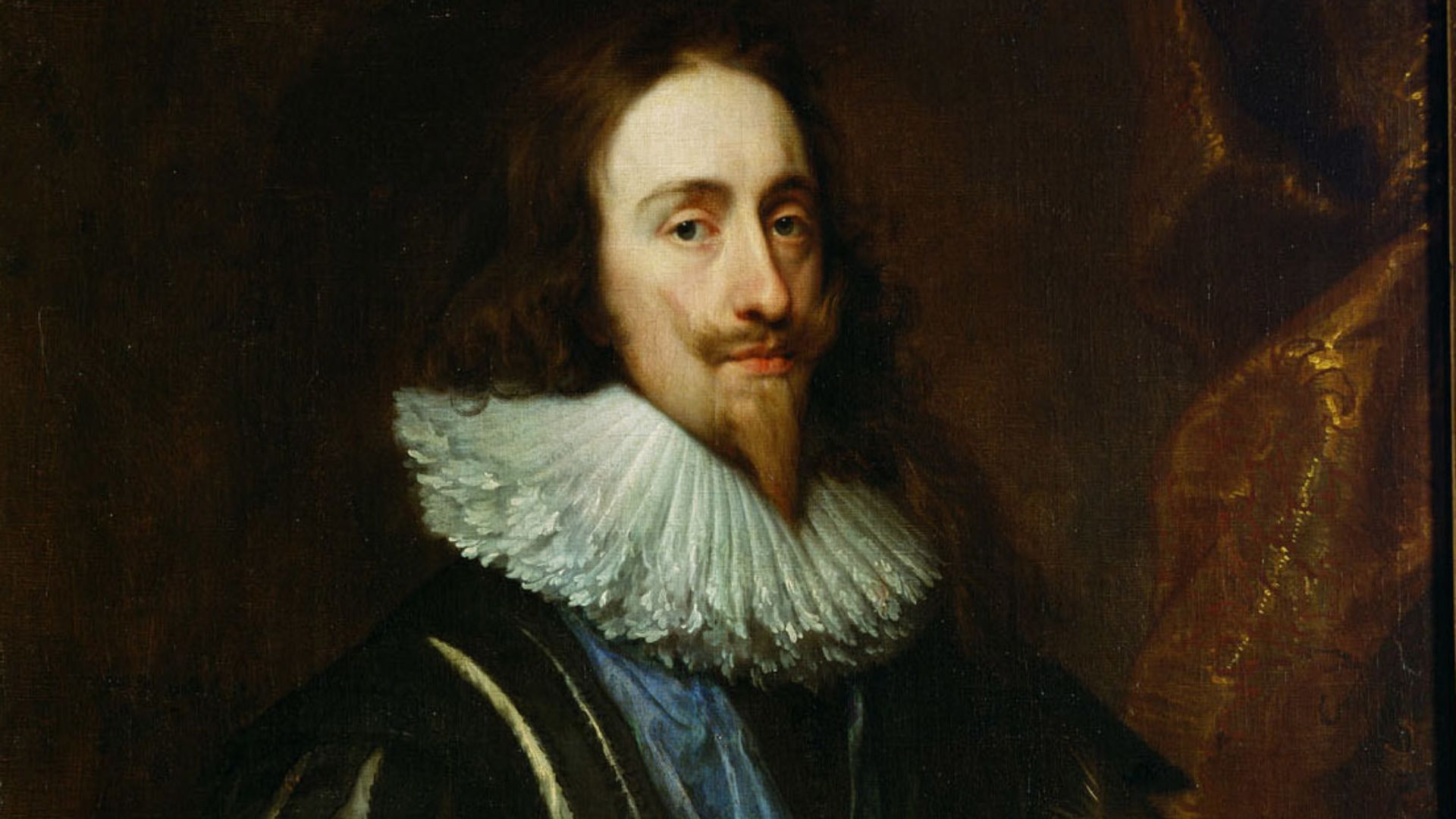
17. Charles I of England
Charles, I fought Parliament during the English Civil War and eventually surrendered to the Scots in 1646. He expected negotiation, but the Scots handed him over to the English Parliament the next year after receiving payment and political terms. That move helped set the stage for his trial and execution in 1649.
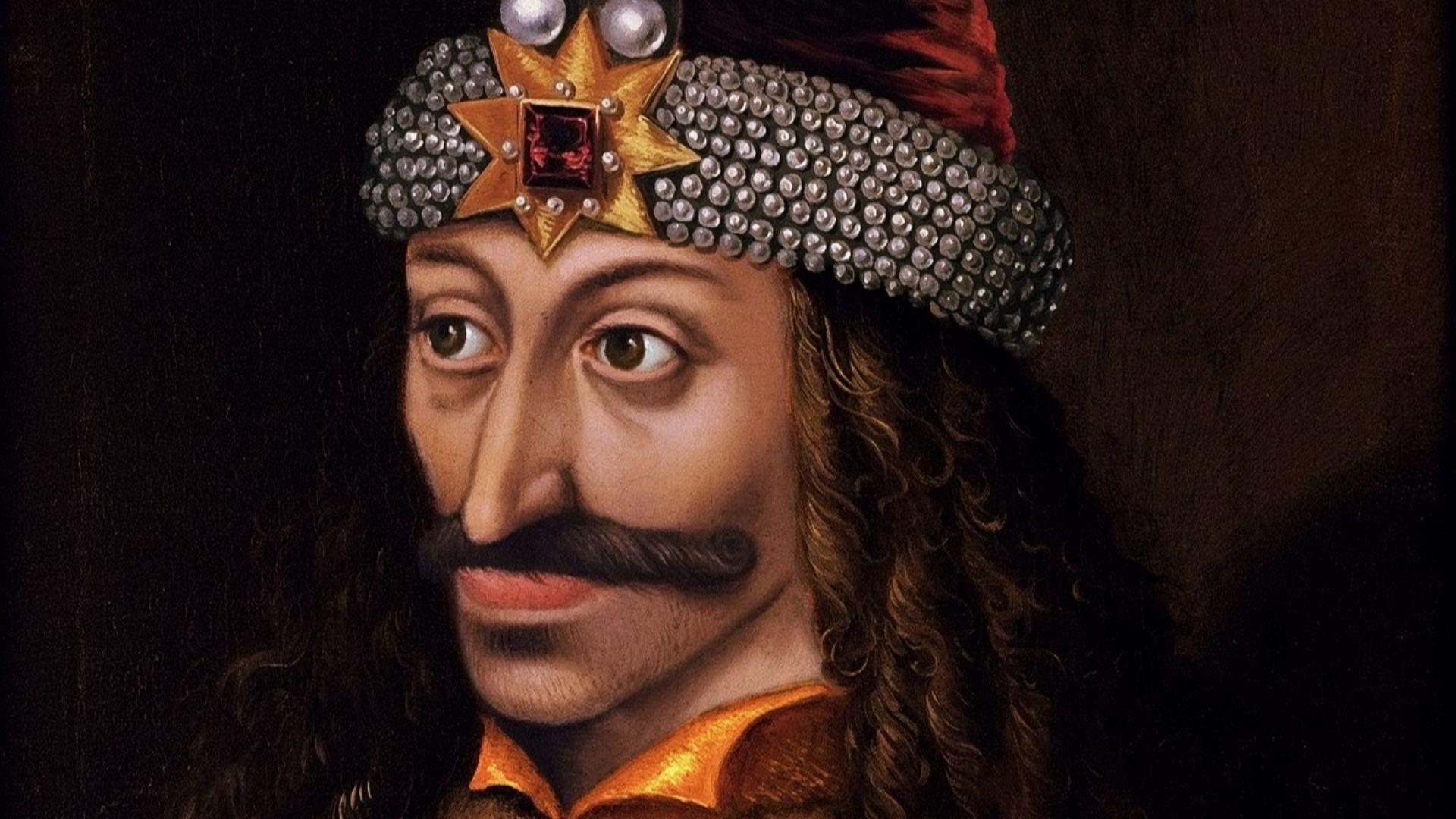
18. Vlad the Impaler
Vlad III of Wallachia relied on alliances to survive between powerful neighbors, especially Hungary and the Ottoman Empire. He sought support from Matthias Corvinus of Hungary against the Ottomans, but Corvinus instead imprisoned him for years. The betrayal was wrapped in politics, forged accusations, and very convenient timing.
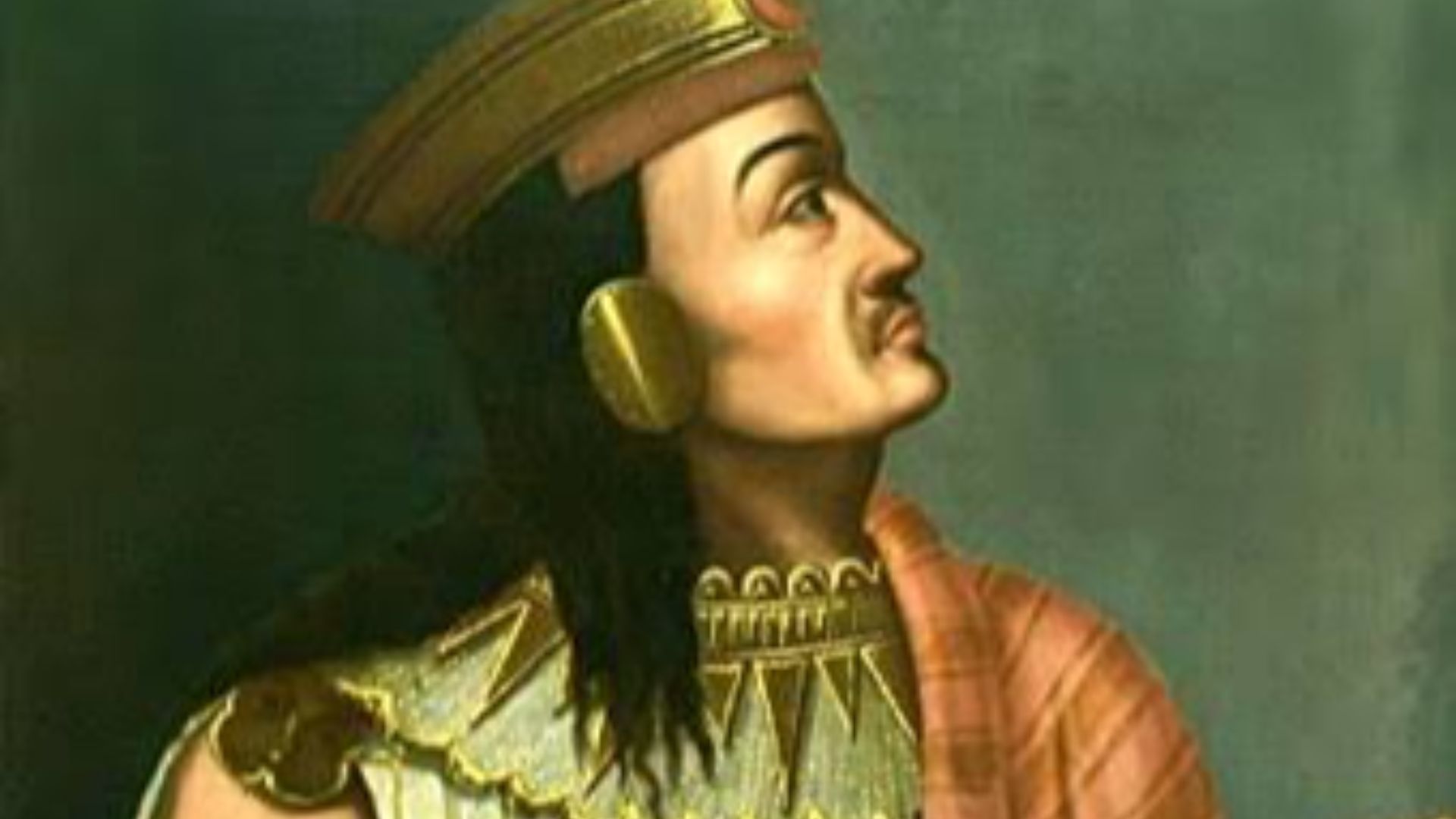
19. Atahualpa
Atahualpa had just won a brutal civil war against his brother Huáscar when he encountered Francisco Pizarro and the Spanish. Pizarro invited him into what looked like a diplomatic meeting at Cajamarca, then captured him in a devastating ambush. Atahualpa paid a massive ransom in gold and silver, but the Spanish executed him anyway in 1533.
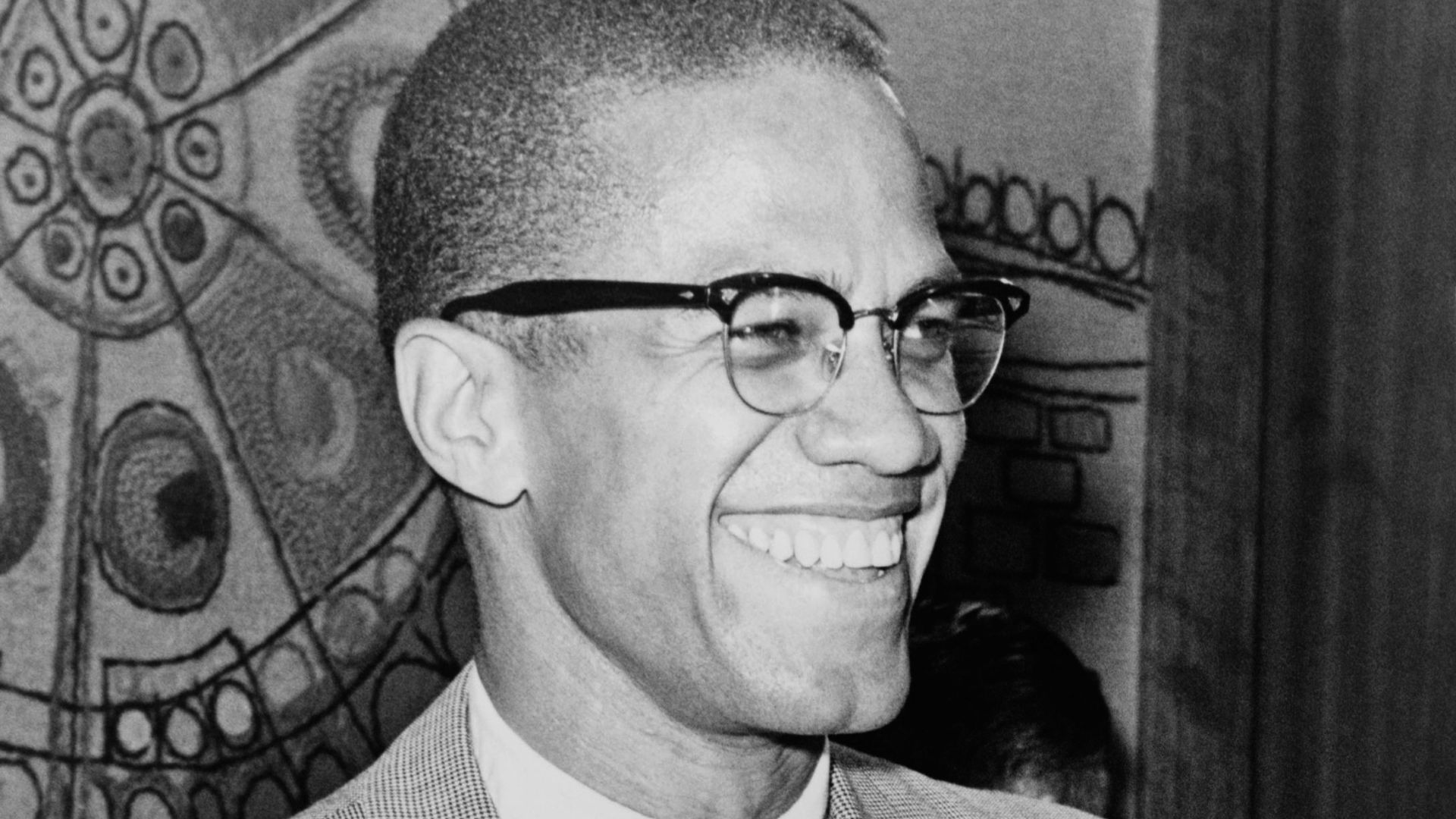
20. Malcolm X
Malcolm X rose to prominence through the Nation of Islam and was once one of its most powerful voices. After breaking with the organization, tensions escalated sharply between him and former allies. In 1965, he was assassinated at the Audubon Ballroom in New York, and men connected to the Nation of Islam were convicted, though the case has remained controversial for decades.
KEEP ON READING
The story of Ching Shih, the Woman Who Became the…
Unknown author on WikimediaFew figures in history are as feared…
By Emilie Richardson-Dupuis Dec 29, 2025
Einstein's Violin Just Sold At An Auction—And It Earned More…
A Visionary's Violin. Wanda von Debschitz-Kunowski on WikimediaWhen you hear…
By Ashley Bast Nov 3, 2025
This Infamous Ancient Greek Burned Down An Ancient Wonder Just…
History remembers kings and conquerors, but sometimes, it also remembers…
By David Davidovic Nov 12, 2025
The Mysterious "Sea People" Who Collapsed Civilization
3,200 years ago, Bronze Age civilization in the Mediterranean suddenly…
By Robbie Woods Mar 18, 2025
20 Greatest Ancient Athletes In History
Ancient Olympics. Long before modern stadiums and multimillion-dollar endorsements, athletes…
By Sara Springsteen May 1, 2026
20 Soldiers Who Defied Expectations
Changing the Rules of the Battlefield. You’ve probably heard plenty…
By Annie Byrd Feb 10, 2026