

The Ice Age Giant We Still Can’t Stop Talking About
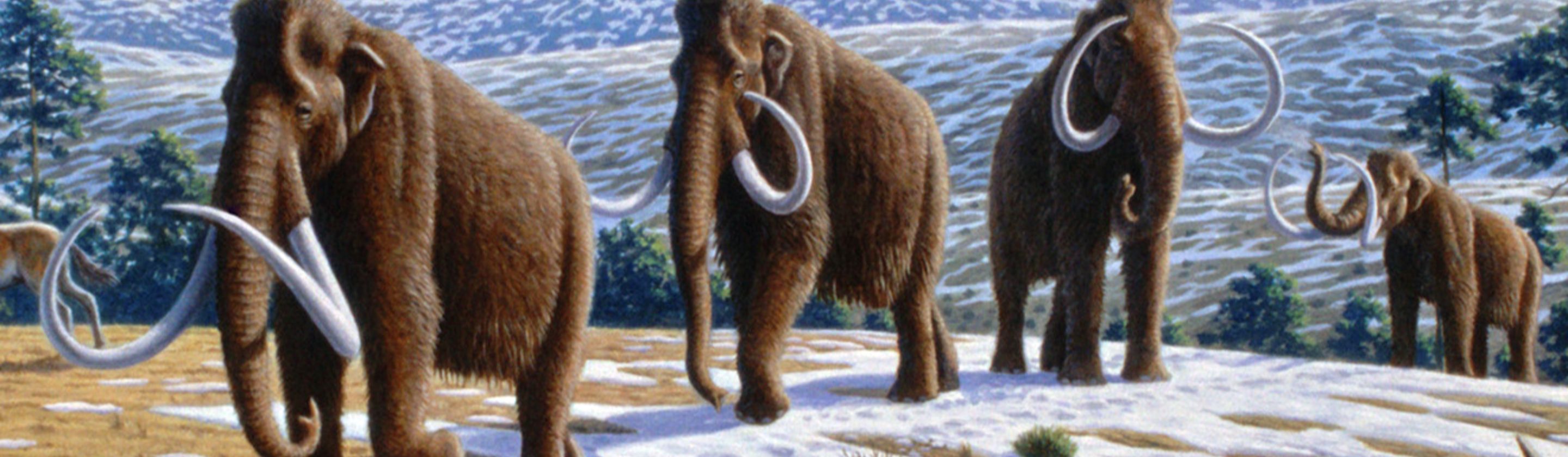
The woolly mammoth is one of the most famous animals from the Ice Age, and it’s easy to see why. It was huge, shaggy, beautifully adapted to freezing environments, and close enough in time that early humans actually saw, hunted, painted, and lived alongside it. Even though mammoths are gone, their frozen remains keep revealing new details, which makes them feel less like distant fossils and more like animals we just barely missed. Here are 20 facts about the majestic woolly mammoth.
1. Woolly Mammoths Were Relatives of Modern Elephants
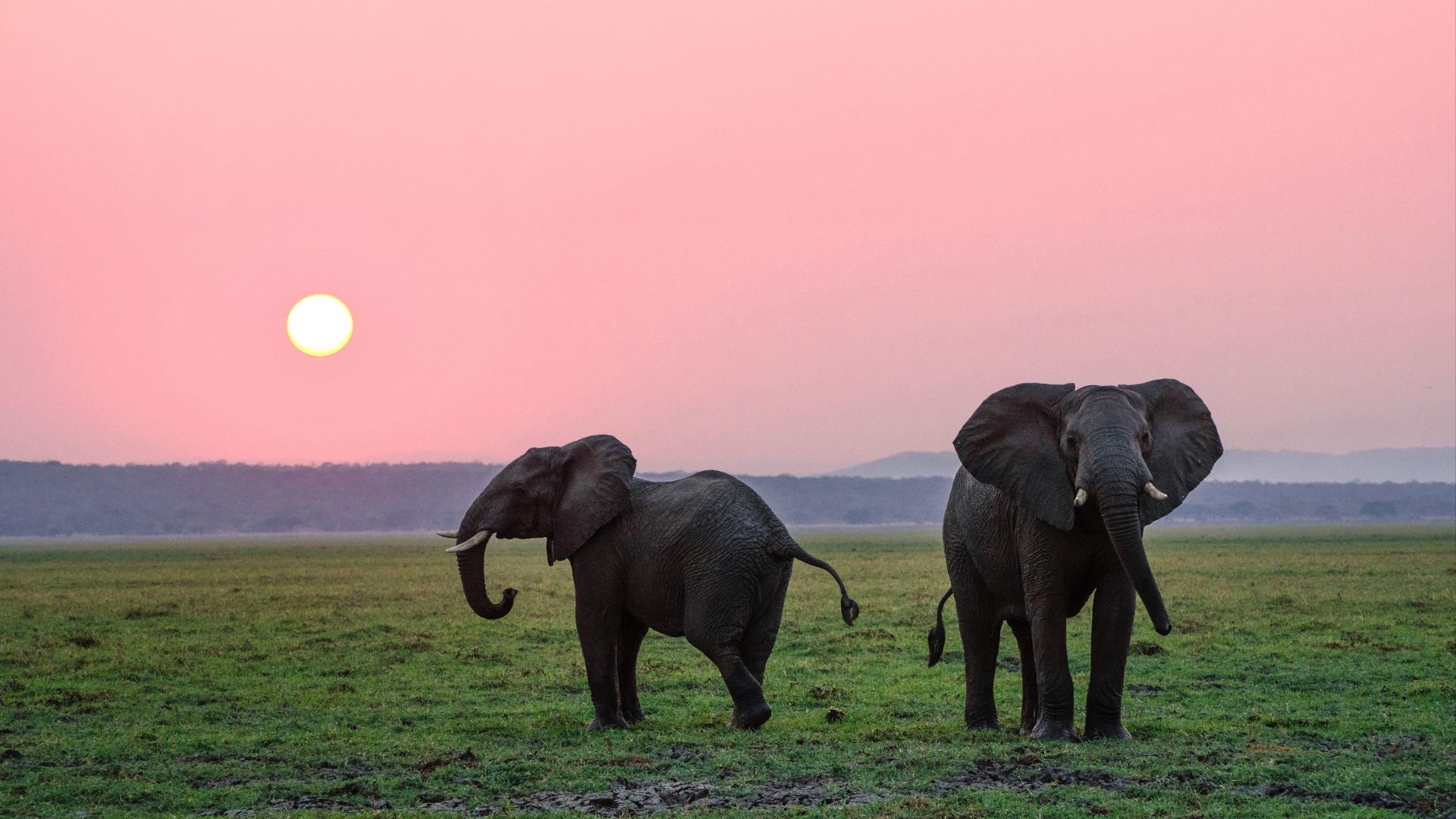
Woolly mammoths were members of the elephant family, which means they were related to today’s Asian and African elephants. Their closest living relatives are Asian elephants, not African elephants, as they were built for colder environments. If you look at an elephant today, you’re seeing a living cousin of one of history’s most famous extinct animals.
2. They Weren't the Biggest Mammoths
Woolly mammoths were large, but they weren’t the biggest mammoths that ever lived. Some earlier mammoth species grew much taller and heavier, including the steppe mammoth. Woolly mammoths were more compact, which helped them handle cold climates better.
3. Their Fur Came in Layers
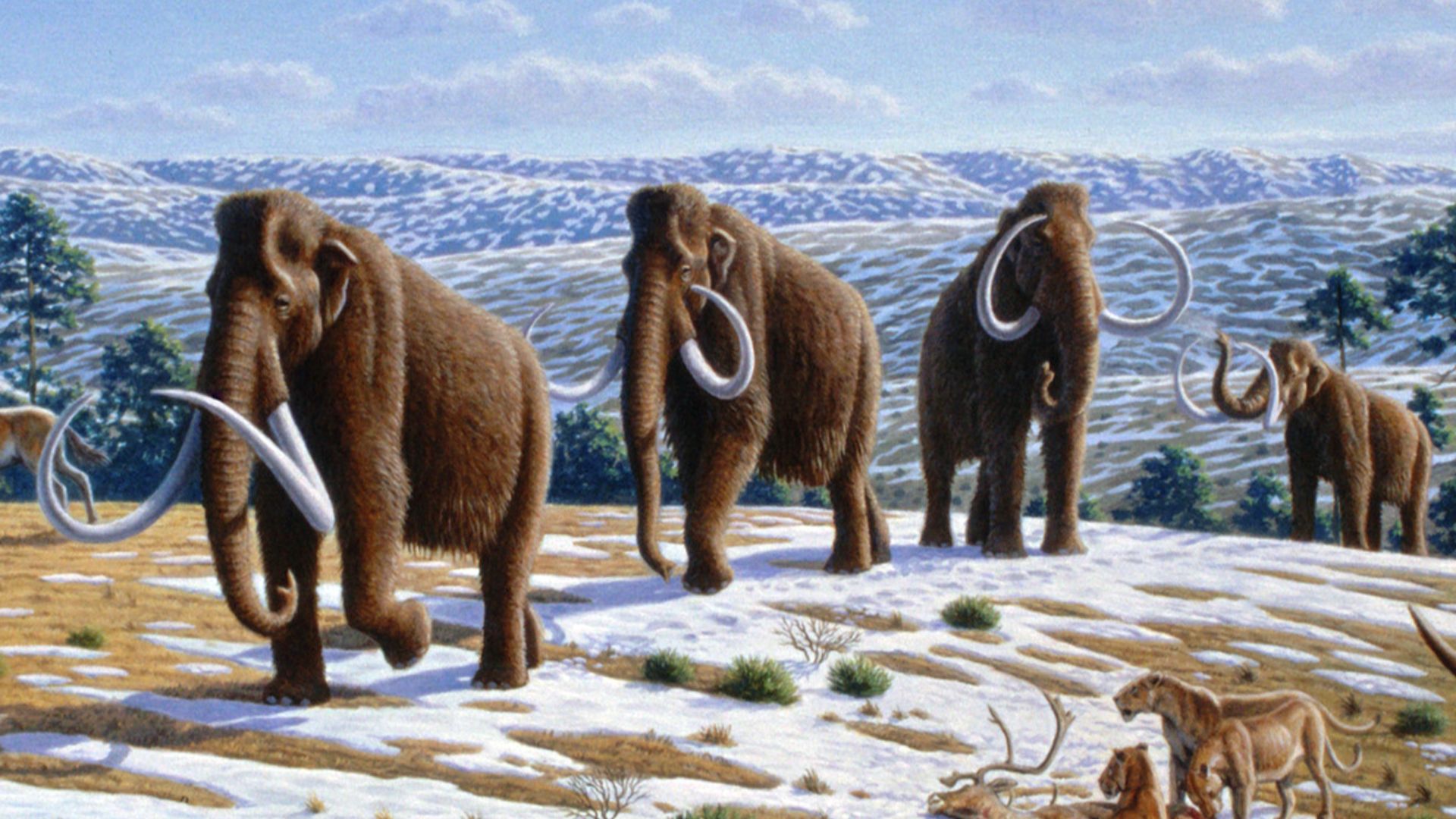
The woolly mammoth’s famous shaggy coat wasn’t just for looks. It had a dense undercoat for insulation and longer guard hairs that helped protect it from wind and snow.
Preserved mammoth hair suggests their fur came in different shades, from reddish-brown to blonde.
4. They Had a Thick Layer of Fat
Under all that fur, woolly mammoths also had a thick layer of fat to help them survive freezing conditions. This fat stored energy and kept body heat from escaping too quickly. It was especially useful during harsh seasons when food may have been harder to find. Living in Ice Age environments required more than a fuzzy coat.
 Creator:Dmitry Bogdanov on Wikimedia
5. Their Tusks Tell a Story
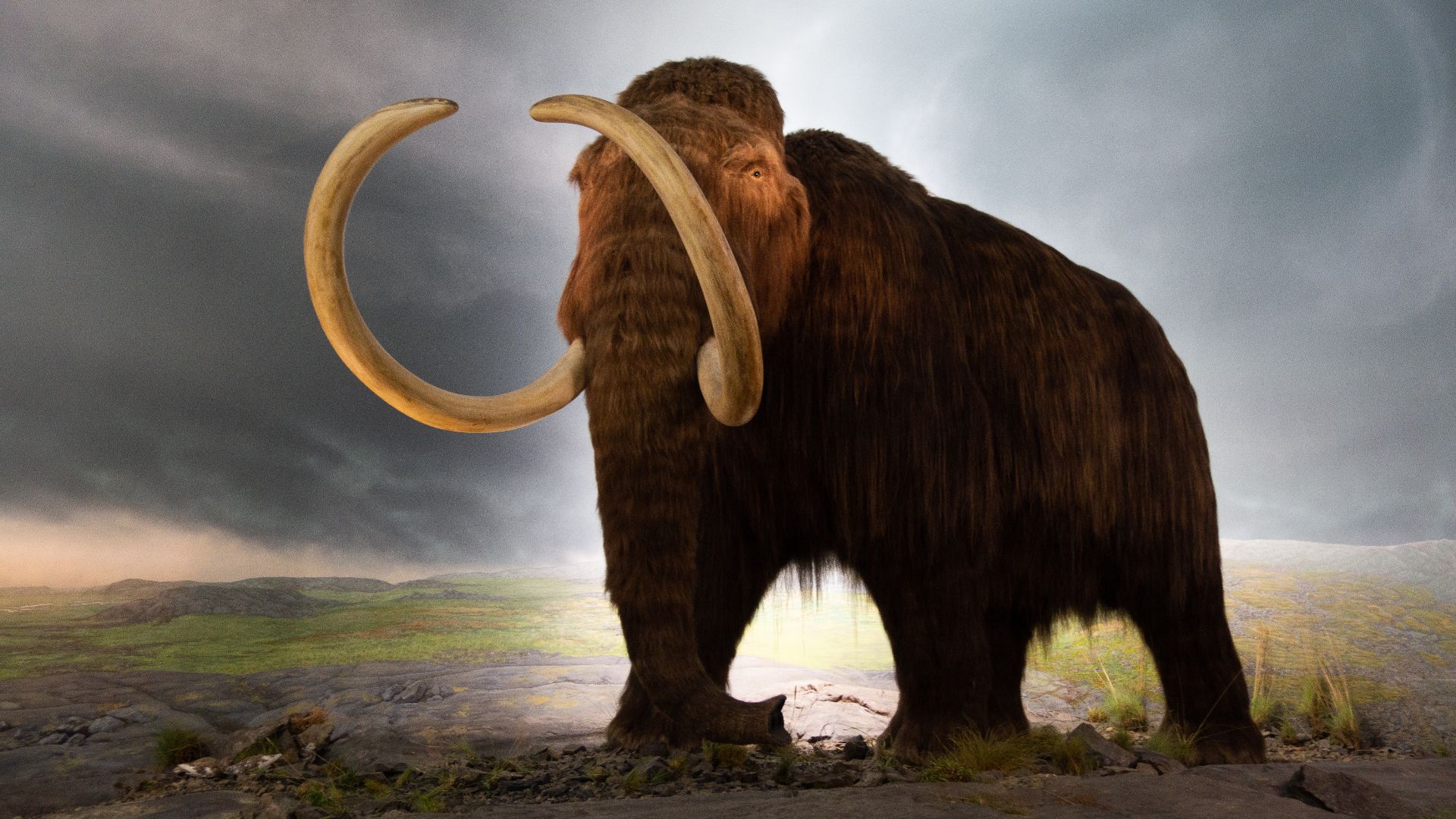
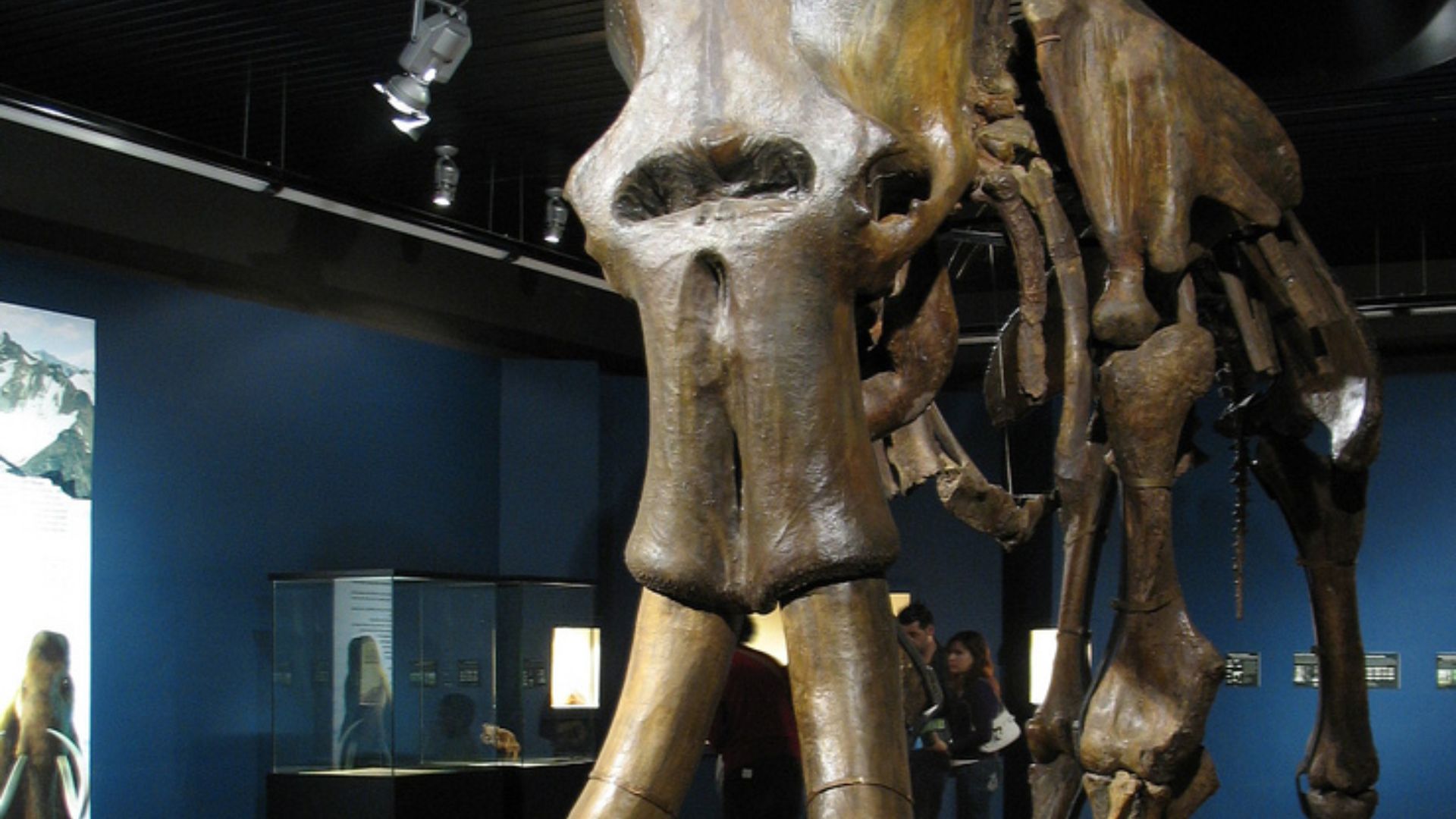
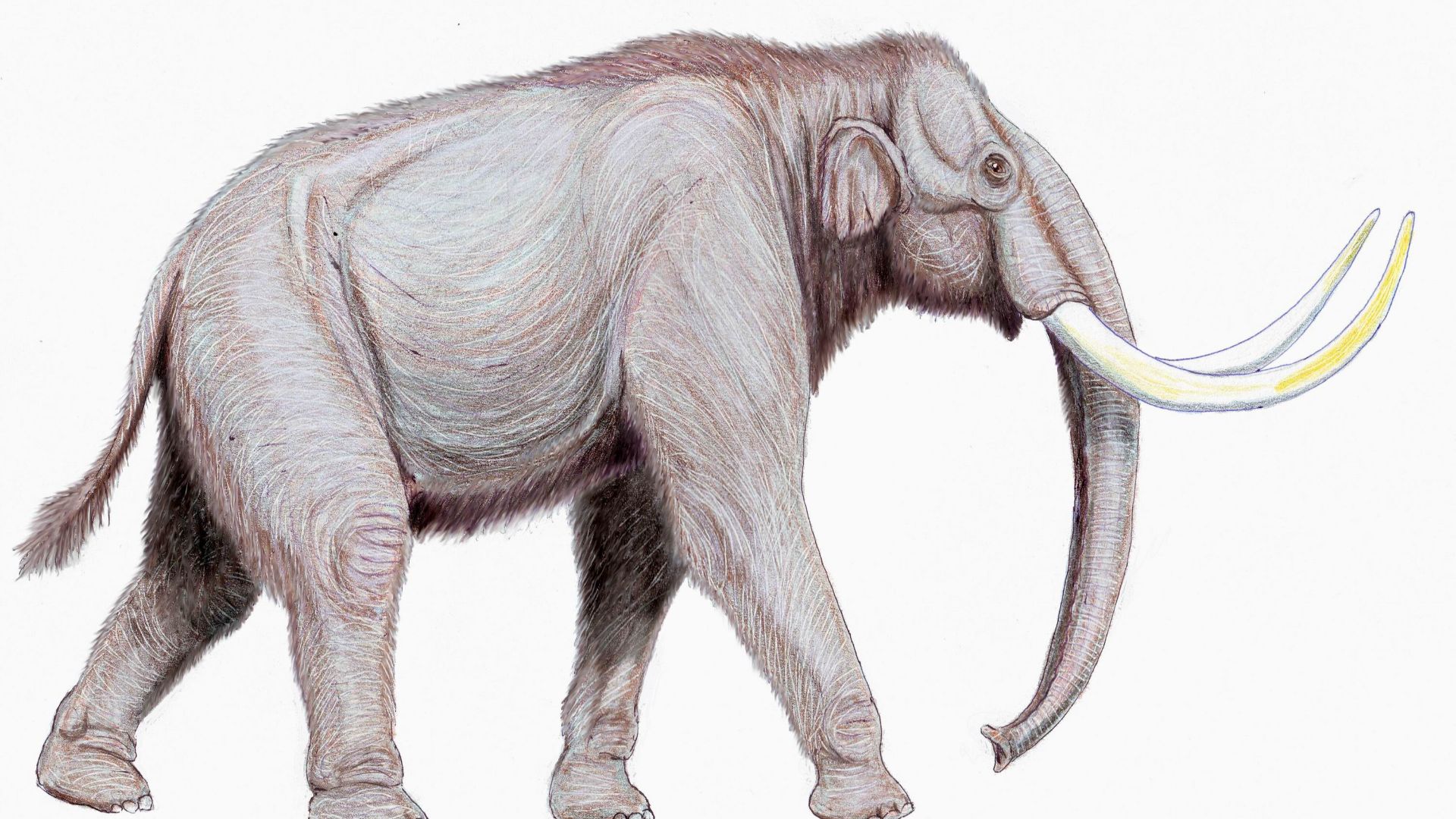
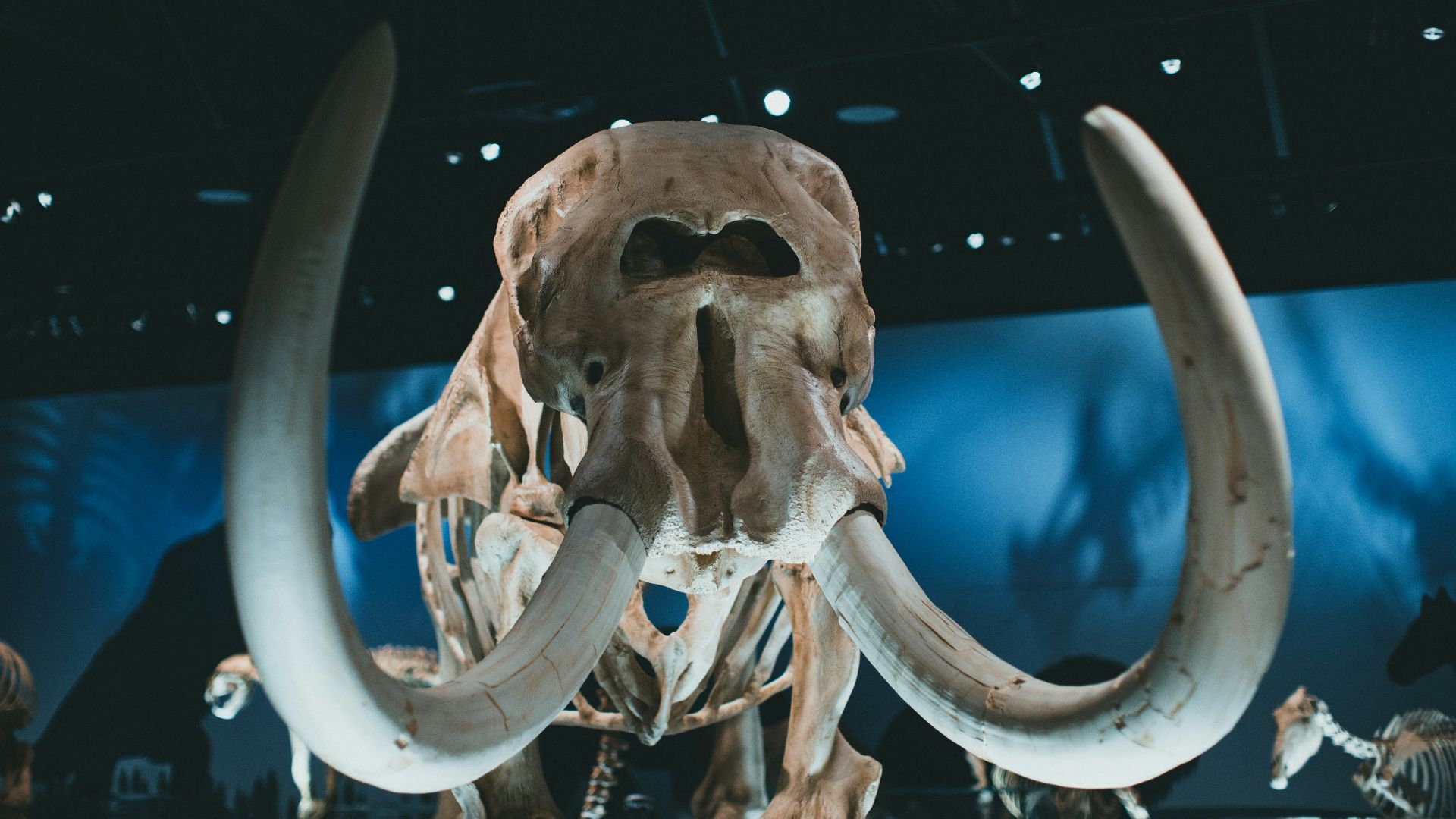
A woolly mammoth’s tusks could curve dramatically and grow to impressive lengths. Males usually had larger tusks than females, and they may have used them for display, fighting, clearing snow, or reaching buried vegetation. The tusks also recorded growth patterns, almost like tree rings. Scientists can study them to learn about a mammoth’s life, diet, and seasonal movements.
6. Mammoths Ate Mostly Plants
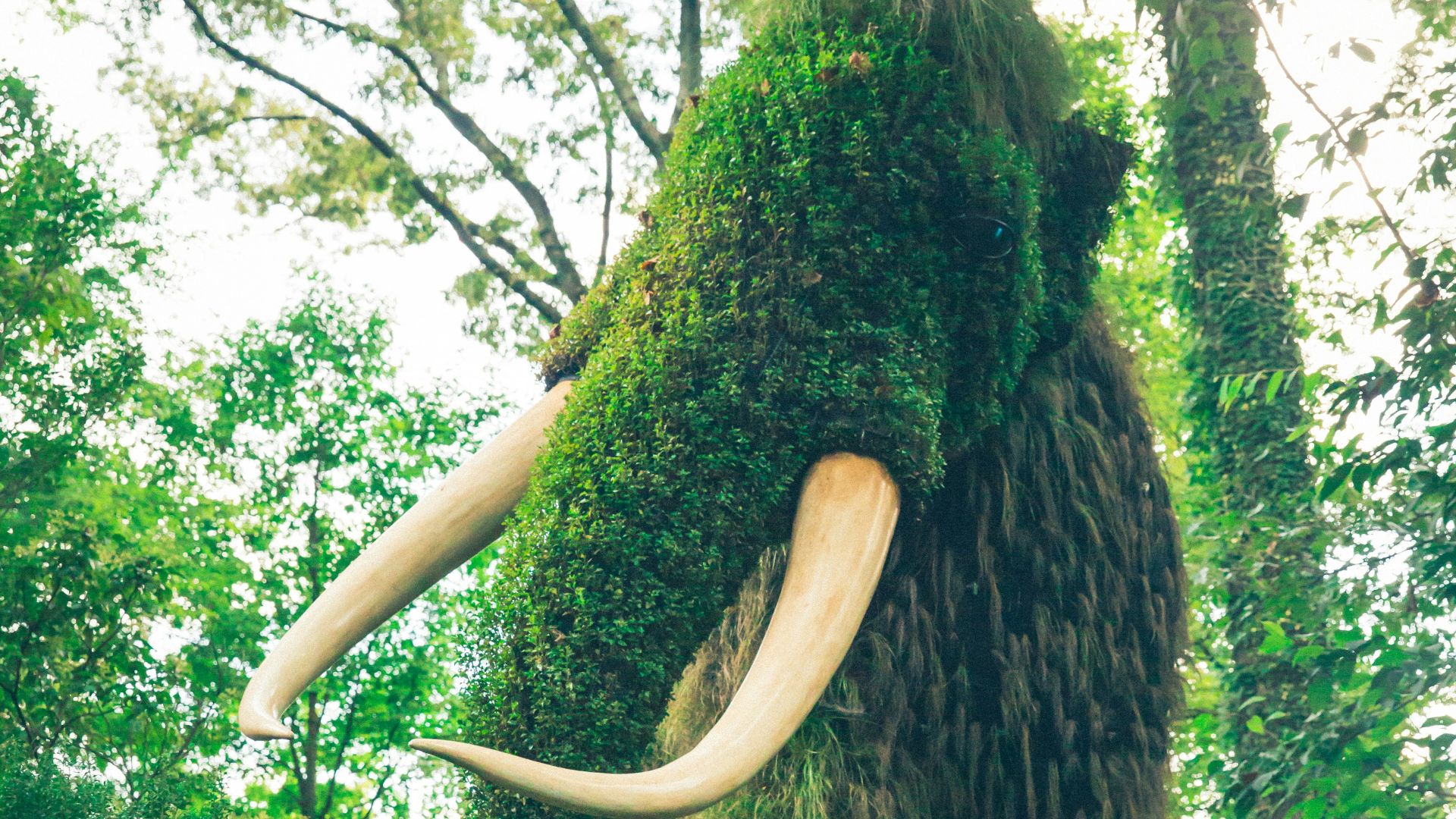
Woolly mammoths were herbivores, and their diet included grasses, sedges, herbs, shrubs, and other tough Ice Age plants. Their teeth were specially adapted for grinding rough vegetation, and they were well-suited to open, grassy environments.
 Christopher Alvarenga on Unsplash
7. Their Teeth Were Built Like Grinding Machines
Mammoth molars were large, ridged, and excellent at breaking down coarse plants. Over a lifetime, they went through several sets of teeth as older ones wore down and were replaced. Once the final set wore out, an older mammoth could have trouble eating enough to survive.
8. They Roamed Across Huge Areas
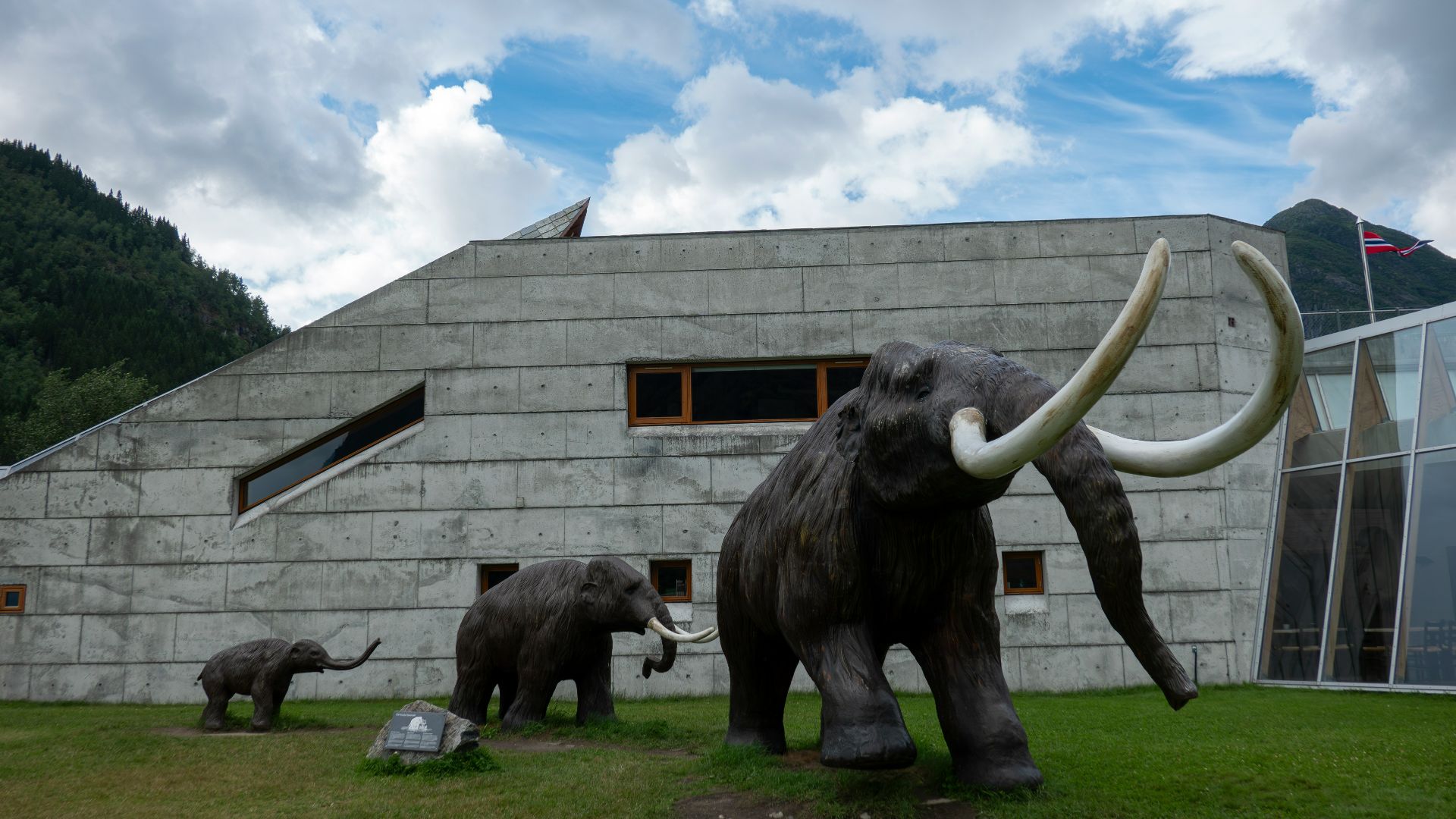
Woolly mammoths lived across northern parts of Europe, Asia, and North America. Their range stretched through cold grassland environments often called the mammoth steppe. This habitat was dry, open, and full of hardy vegetation that could support large herbivores.
9. Humans Actually Lived Alongside Them
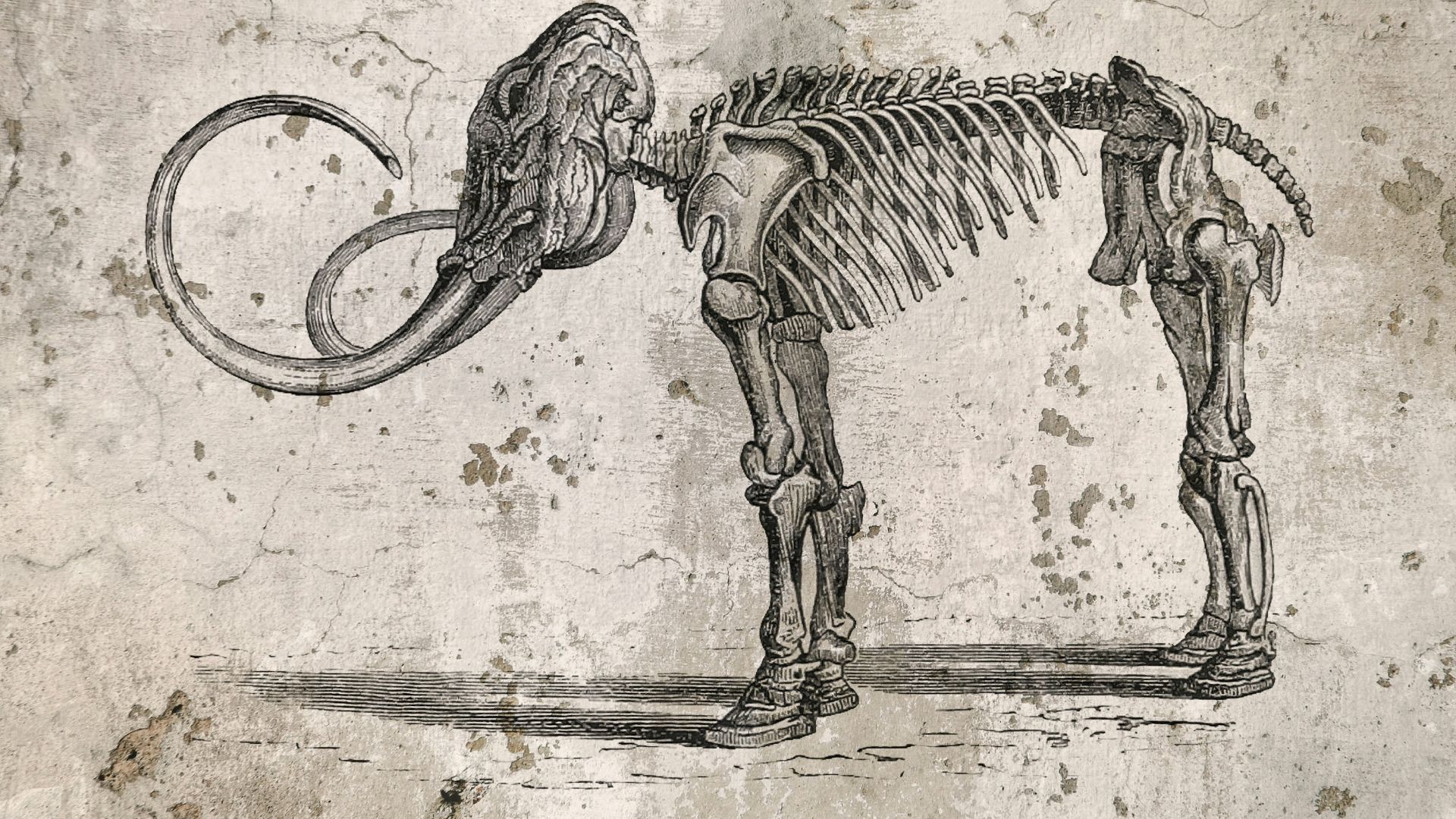
Early humans and woolly mammoths overlapped for thousands of years. People hunted mammoths, used their bones and tusks, and painted them in caves. Mammoth remains have been found at archaeological sites, showing how important they could be for food, shelter, tools, and symbolic life.
10. Mammoth Bones Were Used for Shelter
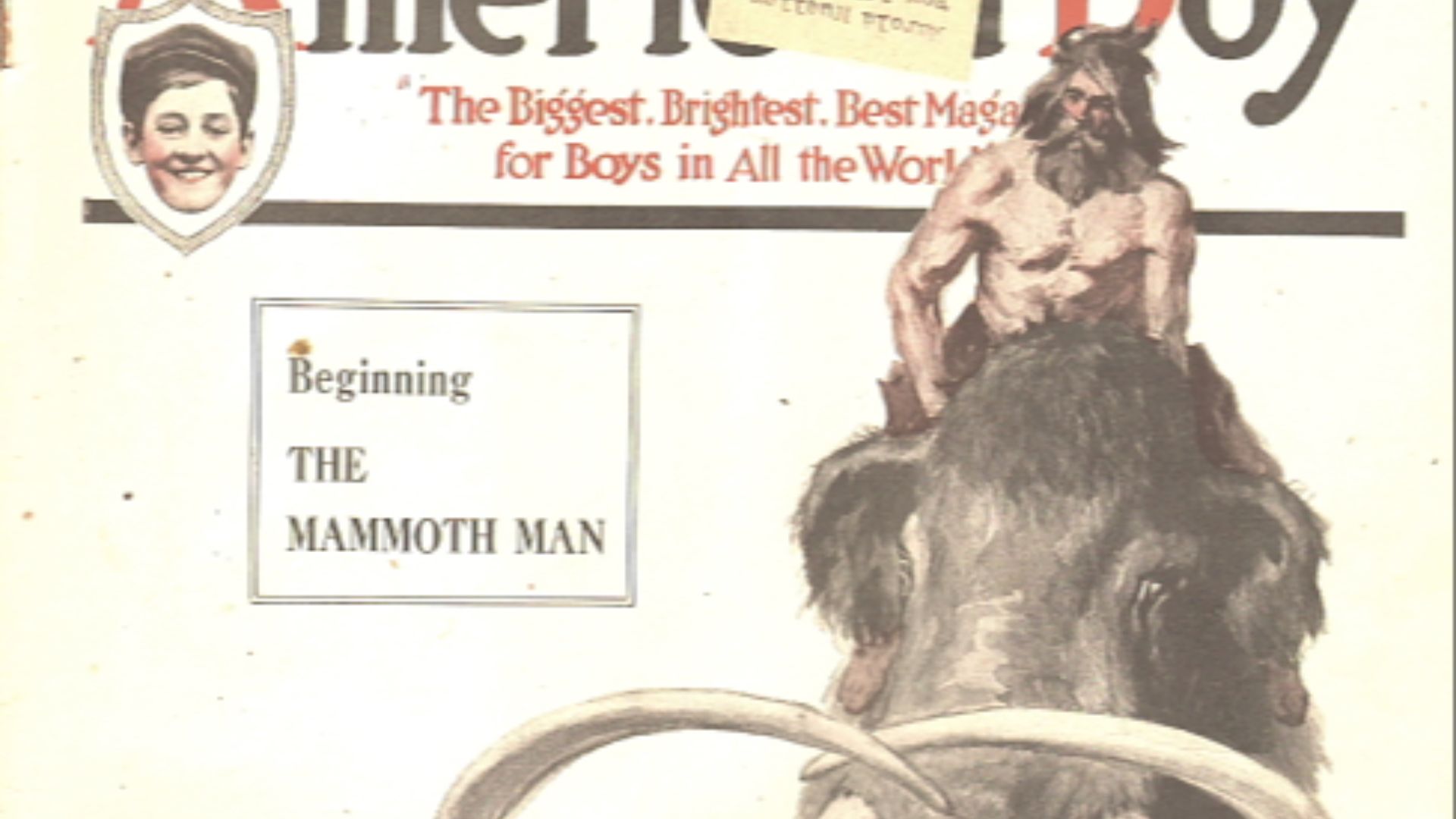
In some Ice Age communities, people used mammoth bones to build shelters. Large bones, tusks, and skulls could create sturdy frames in places where wood was scarce. These structures show just how resourceful humans had to be in cold environments.
11. Some Mammoths Were Preserved in Permafrost
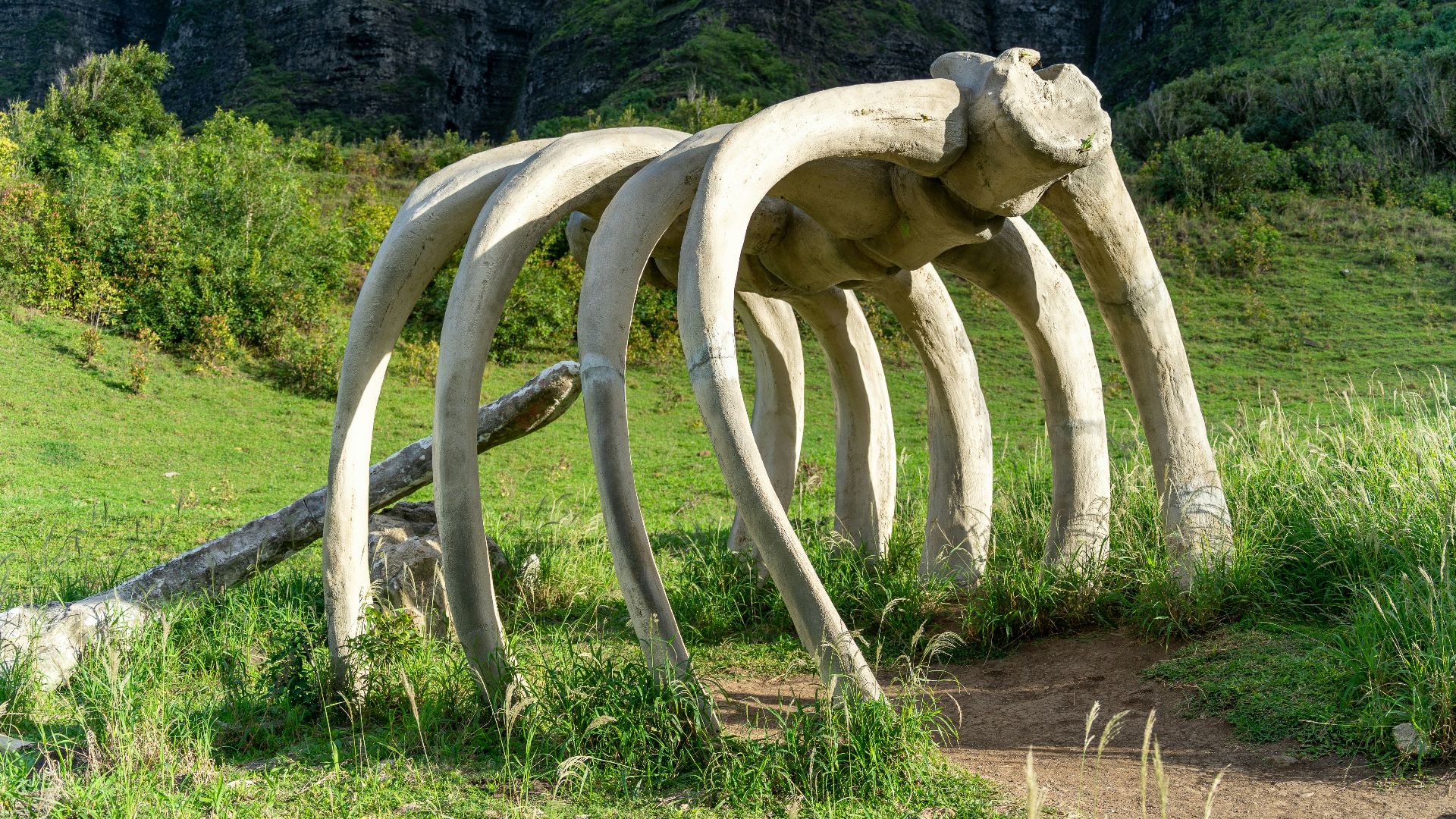
One reason scientists know so much about woolly mammoths is that some were preserved in frozen ground. Permafrost can keep skin, hair, muscles, organs, and even stomach contents intact for thousands of years. These frozen remains give researchers details that ordinary fossils can’t provide.
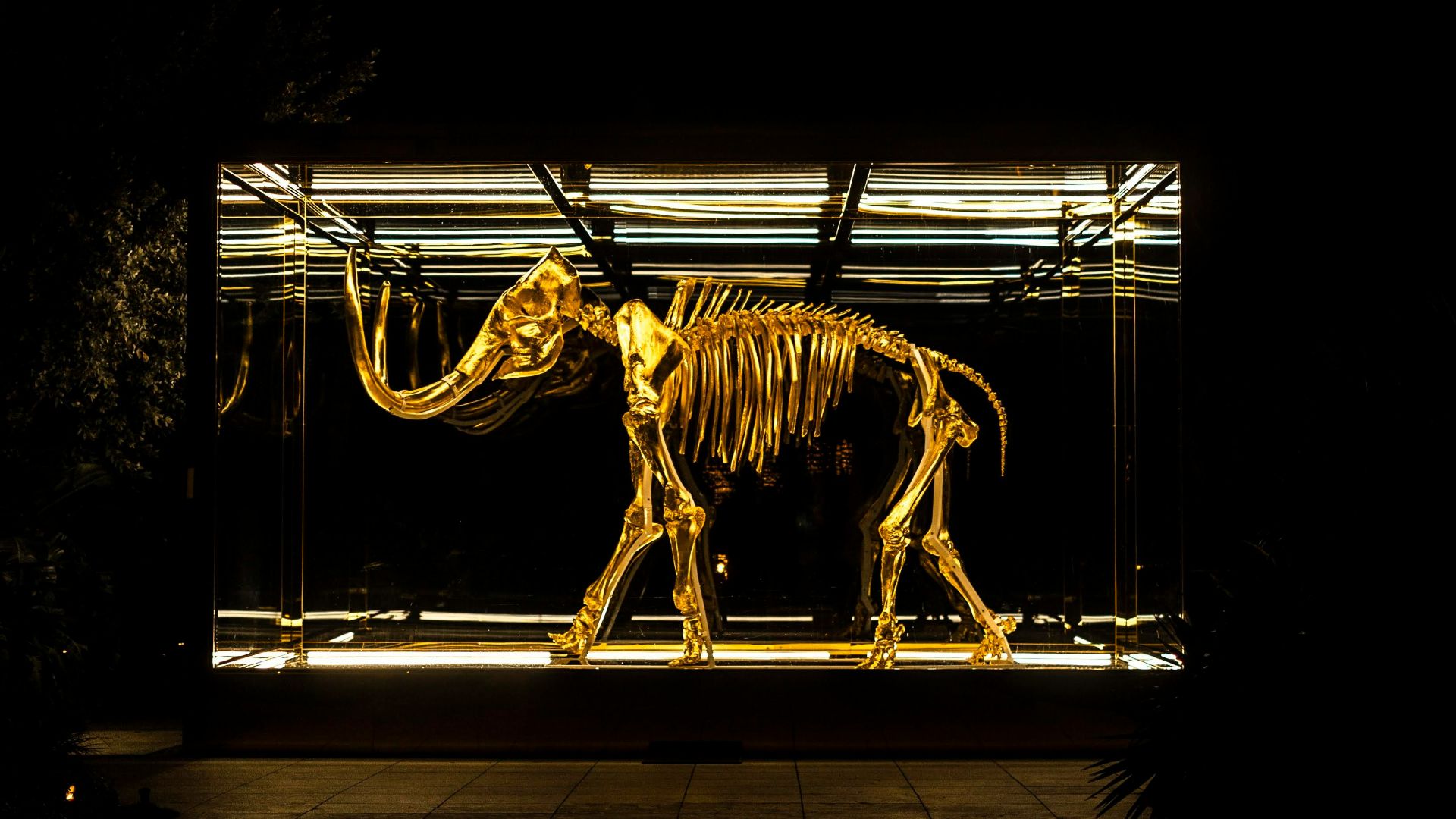
12. Baby Mammoths Have Been Found
Some of the most famous mammoth discoveries are baby mammoths preserved in ice and permafrost. These finds can reveal information about growth, diet, development, and even the cause of death. Because baby animals are more fragile, well-preserved specimens are especially valuable.
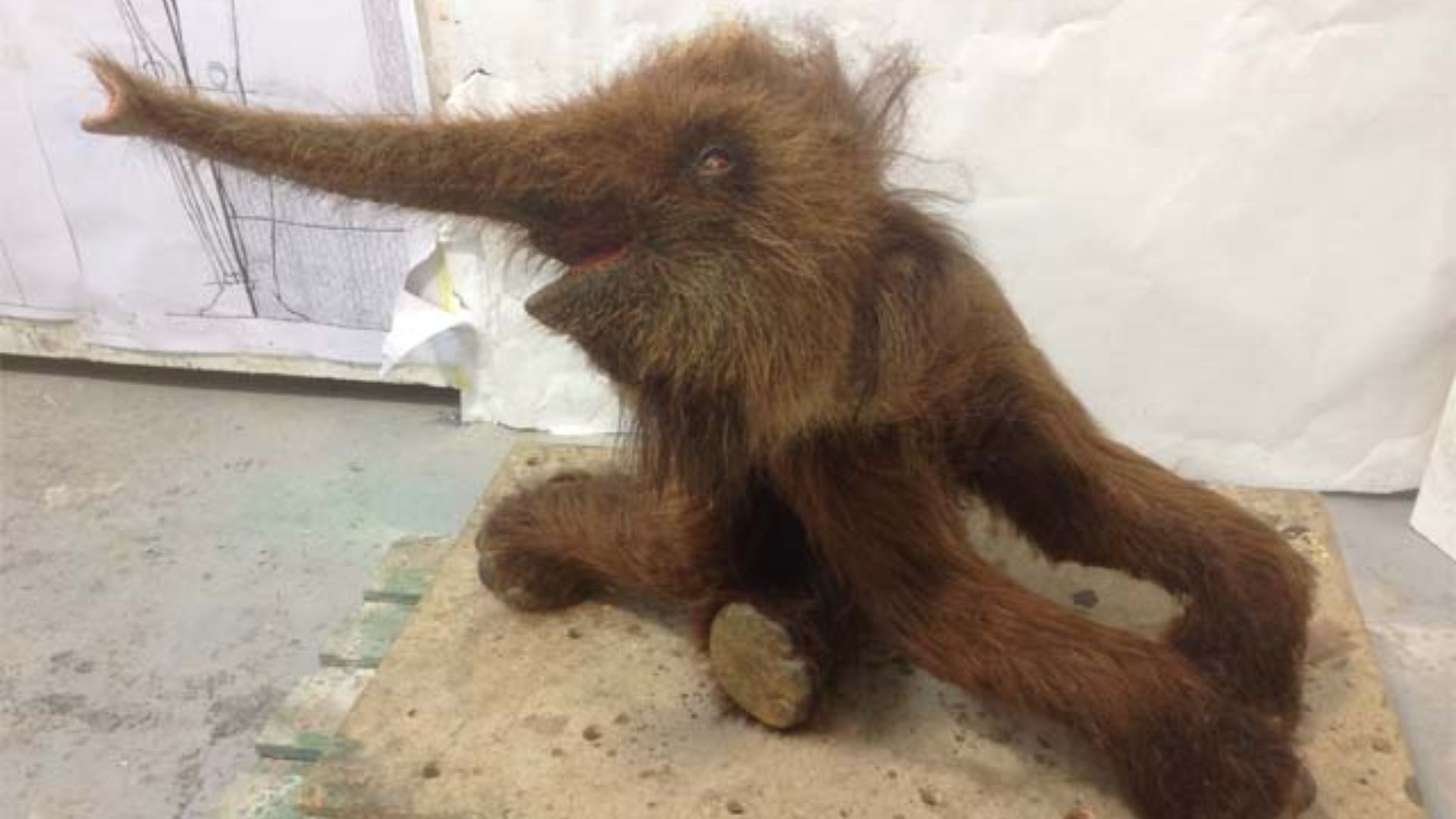
13. Their Ears Were Smaller Than Modern Elephants’
Woolly mammoths had smaller ears than modern African elephants. That made sense because large ears lose heat quickly, while smaller ears help conserve warmth. Their tails were also relatively short compared with modern elephants.
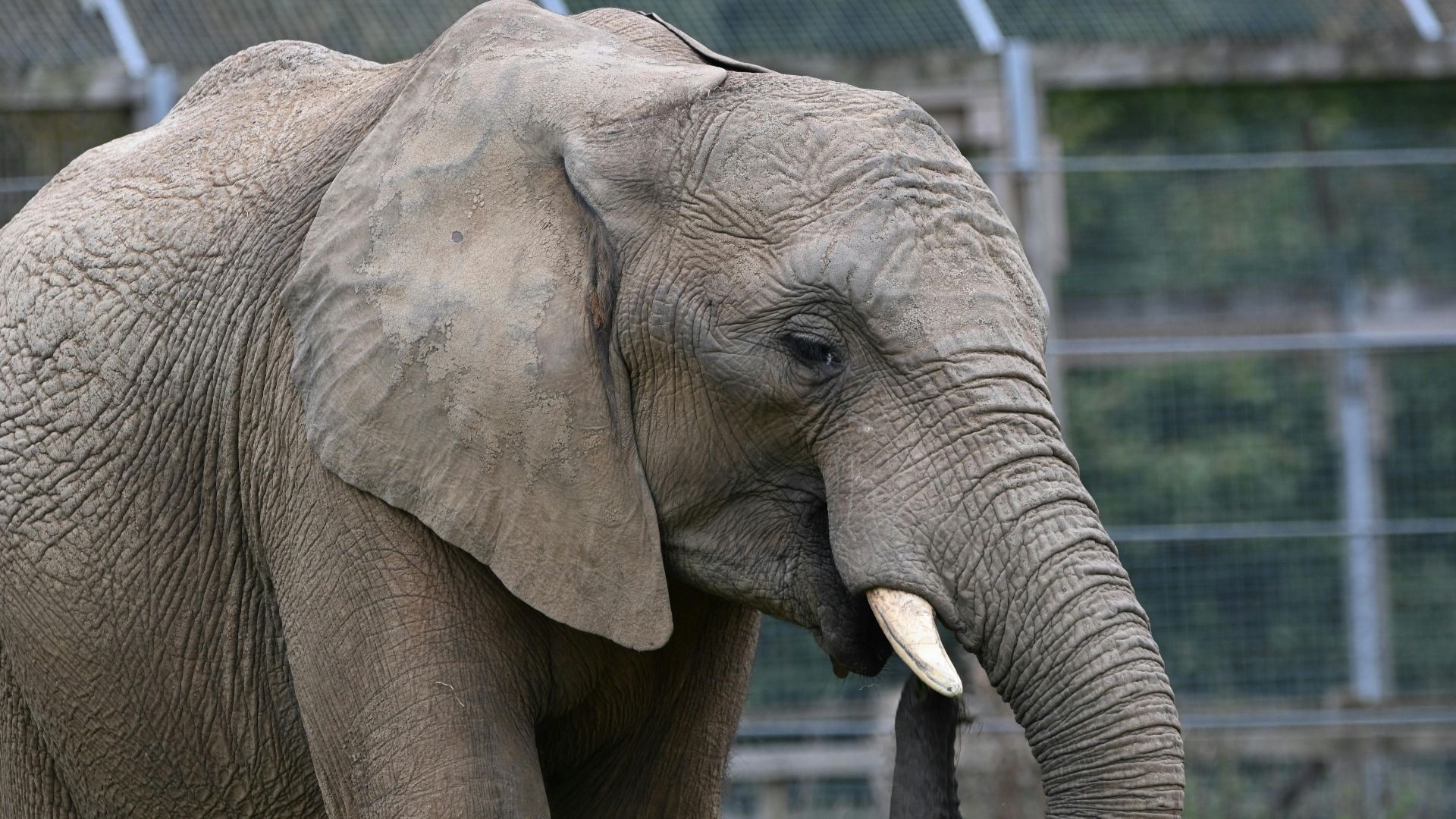
14. They Had a Humped Back
Many reconstructions show woolly mammoths with a high shoulder hump. This hump likely stored fat and muscle, helping the animal survive difficult conditions. It also gave them a distinctive silhouette compared with modern elephants.
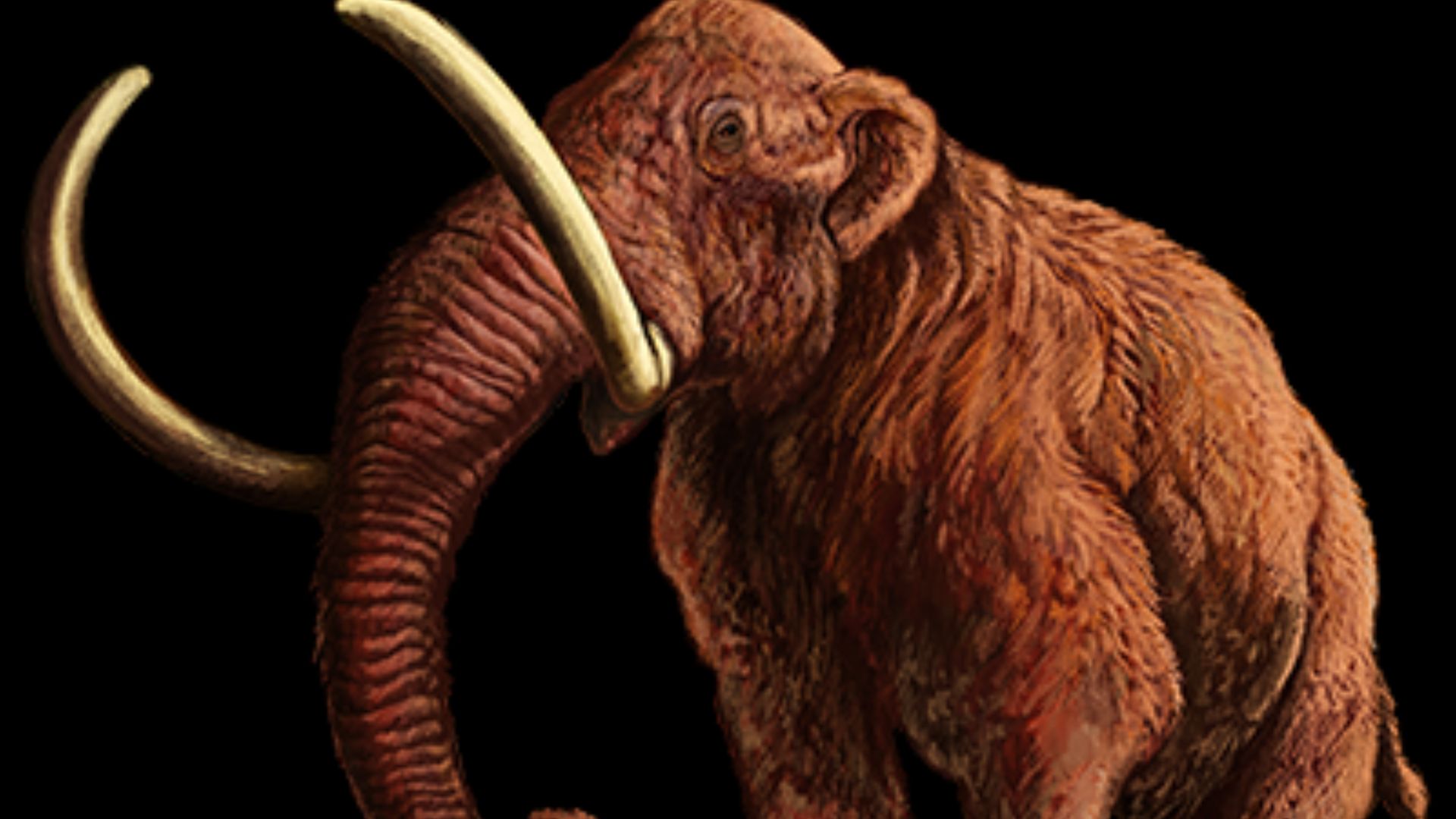 DataBase Center for Life Science (DBCLS) on Wikimedia
15. They May Have Lived in Herds
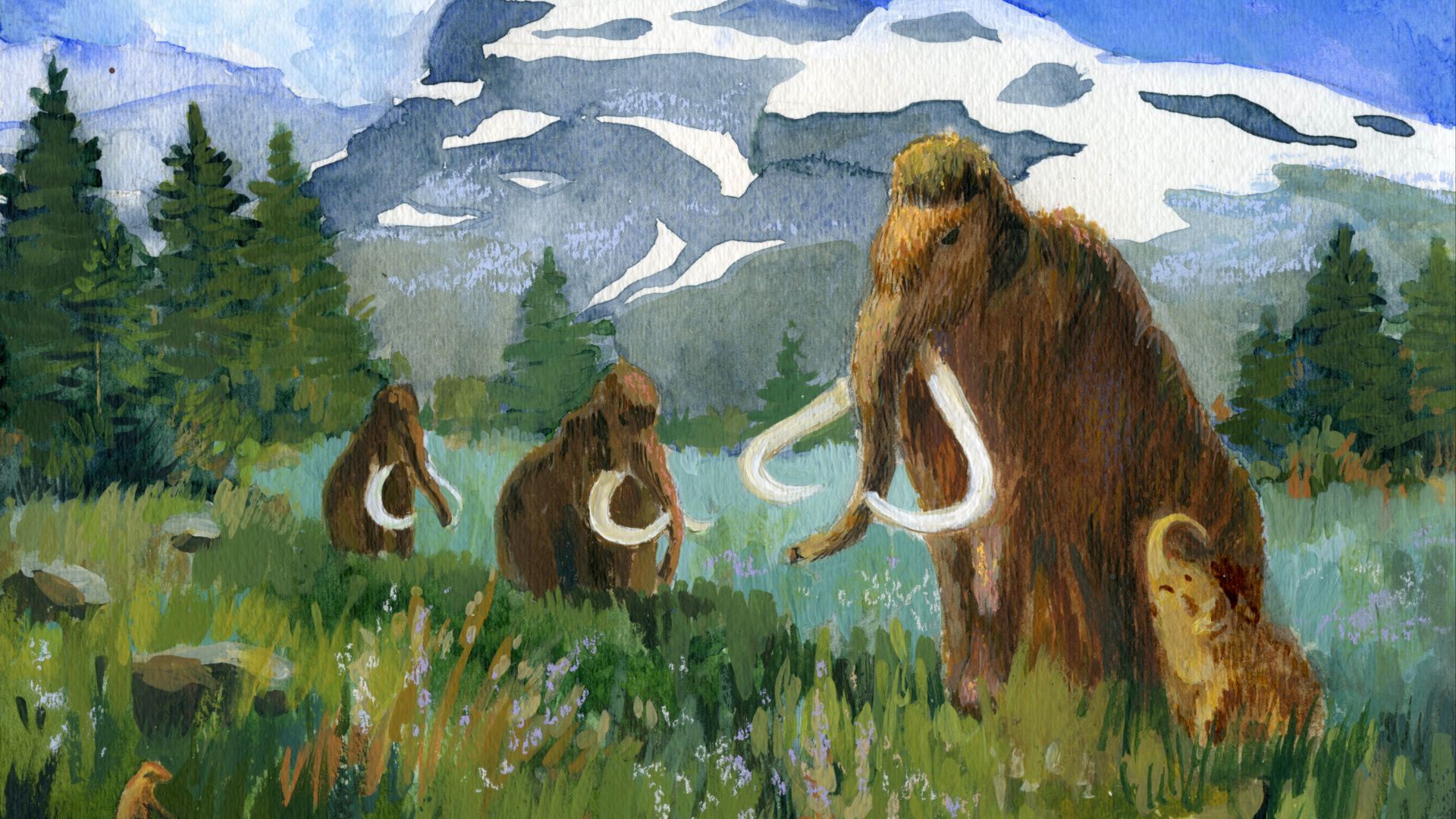
Like modern elephants, woolly mammoths likely lived in social groups, especially females and young. Adult males may have spent more time alone or moved between groups. Evidence from tracks, bones, and comparisons with elephants helps scientists understand their social behavior.
 Kira Sokolovskaia on Wikimedia
16. Climate Change Hurt Their Habitat
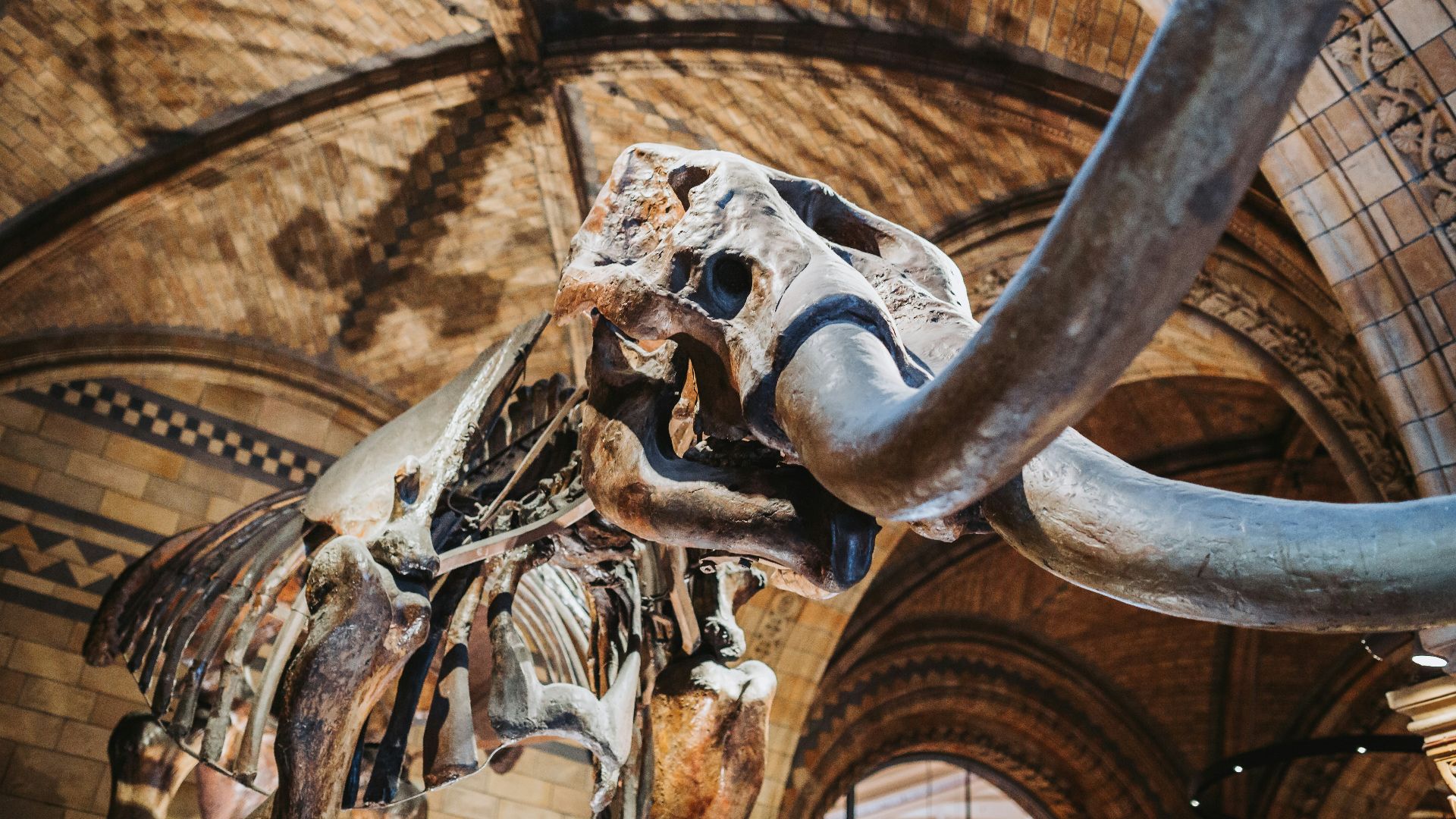
As the Ice Age ended, warming temperatures changed the mammoth steppe. Grasslands shrank, forests and wetlands spread, and the plants mammoths depended on became less available in many places. This environmental change put serious pressure on their populations. Mammoths had survived cold very well, but a changing world was much harder to handle.
17. Humans Likely Contributed to Their Extinction
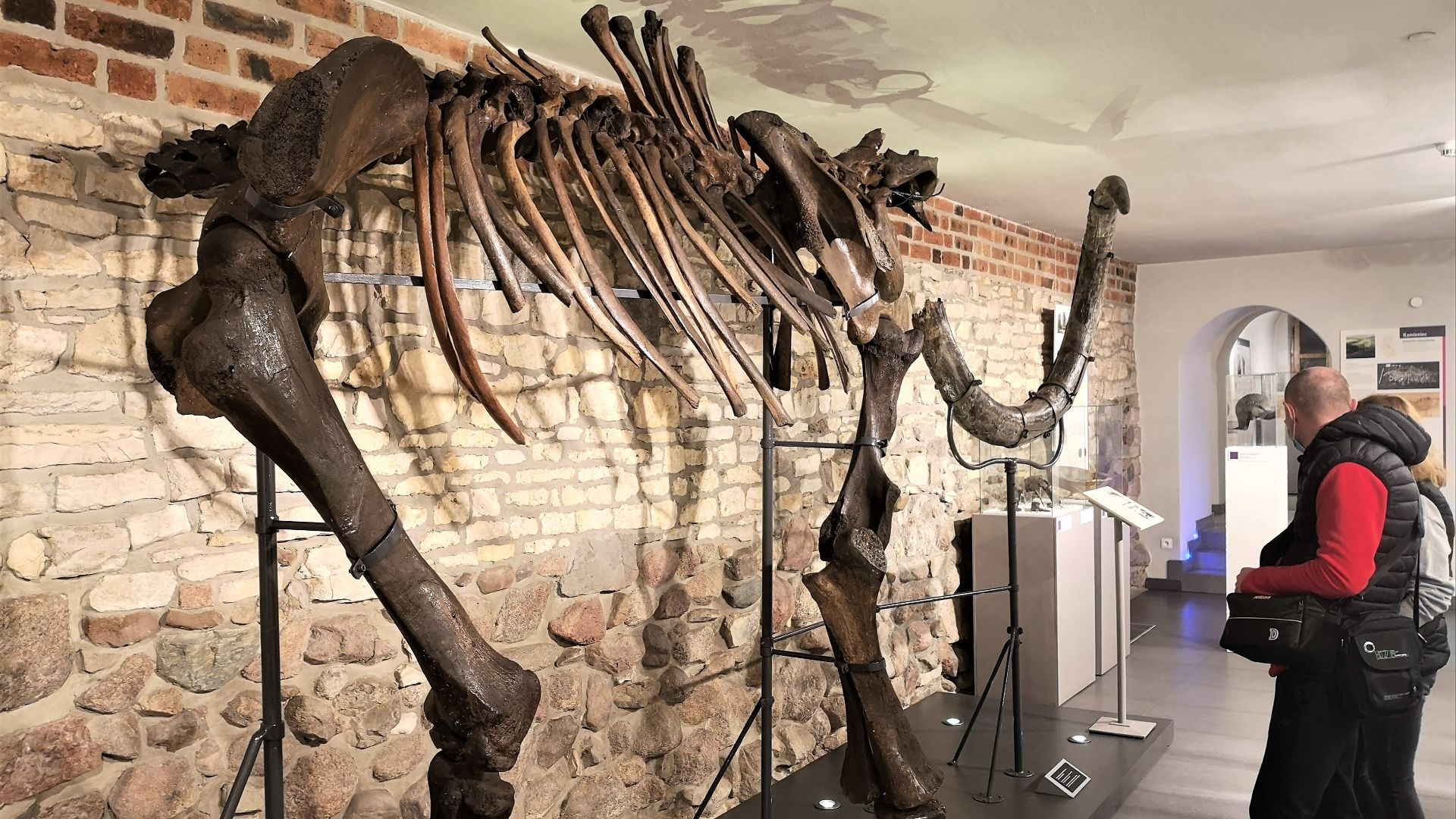
Woolly mammoth extinction probably wasn’t caused by just one thing. Climate change reduced their habitat, while human hunting may have added extra pressure, especially on already struggling populations. The balance of those causes is still debated, but humans almost certainly played some role in some regions.
18. Some Mammoths Survived on Islands
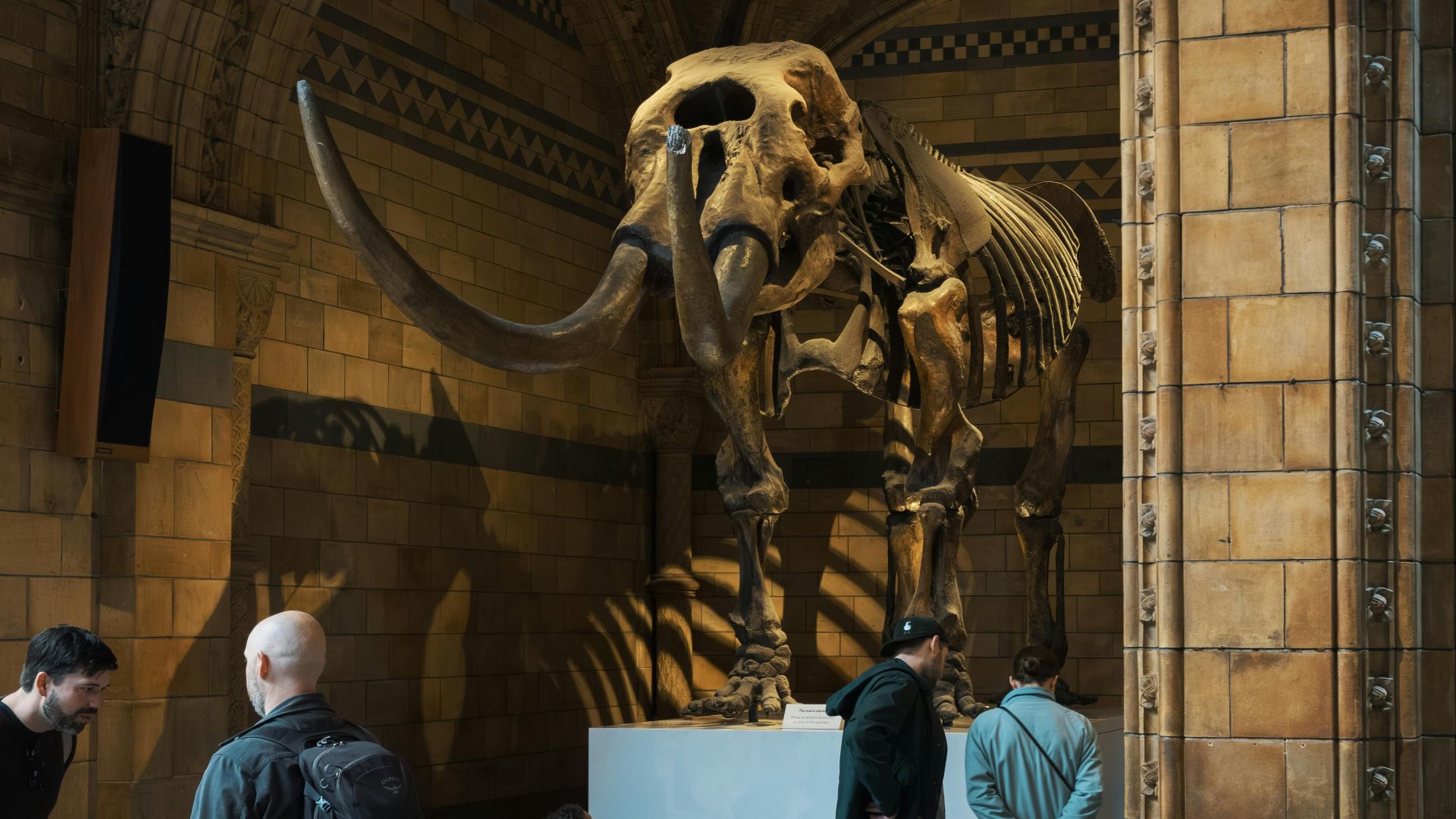
Although most woolly mammoths vanished from mainland areas thousands of years ago, some survived much longer on isolated islands. Mammoths on Wrangel Island in the Arctic lasted until roughly 4,000 years ago. That means they were still alive after the pyramids of Egypt had begun rising.

19. Scientists Have Studied Mammoth DNA
Because some mammoths were frozen so well, scientists have been able to recover and study their DNA. This has helped researchers understand their relationship to modern elephants and the genetic traits that helped them survive cold climates. Mammoth DNA is also part of the ongoing discussion about whether extinct species could ever be brought back in some form.

20. Woolly Mammoths Still Capture Our Imagination
Woolly mammoths remain popular because they feel both ancient and familiar. They were real animals that walked through snowy landscapes, raised young, faced danger, and crossed paths with humans. Their remains keep emerging from the frozen ground, giving us new pieces of their story. Even after extinction, the woolly mammoth still knows how to hold our attention.
KEEP ON READING

The 10 Youngest Monarchs In History & The 10 Oldest
Age Is Just A Number. Imagine being crowned king or…
By Chase Wexler Mar 11, 2025
You Think You Have Problems? These Royal Families Were Cursed
Boasson and Eggler St. Petersburg Nevsky 24. on WikimediaHeavy is…
By Ashley Bast Dec 5, 2025
You Can Thank This Greek-Canadian For Creating Pineapple On Pizza…
Love it or hate it, pineapple on pizza sparks debate…
By David Davidovic Dec 1, 2025
Yes, Female Gladiators Existed, And Here's Everything You Need To…
History of Women in Combat. Most people picture gladiators as…
By David Davidovic Jan 17, 2026
Yes, Australians Once Lost A Battle Against Flightless Birds
David Clode on UnsplashIn 1932, the Australian military went to…
By David Davidovic Nov 24, 2025
The Y2K Bug: Why Did Everyone Think Year 2000 Was…
Alan W on UnsplashOn December 31, 1999, people all over…
By Christy Chan Dec 22, 2025